
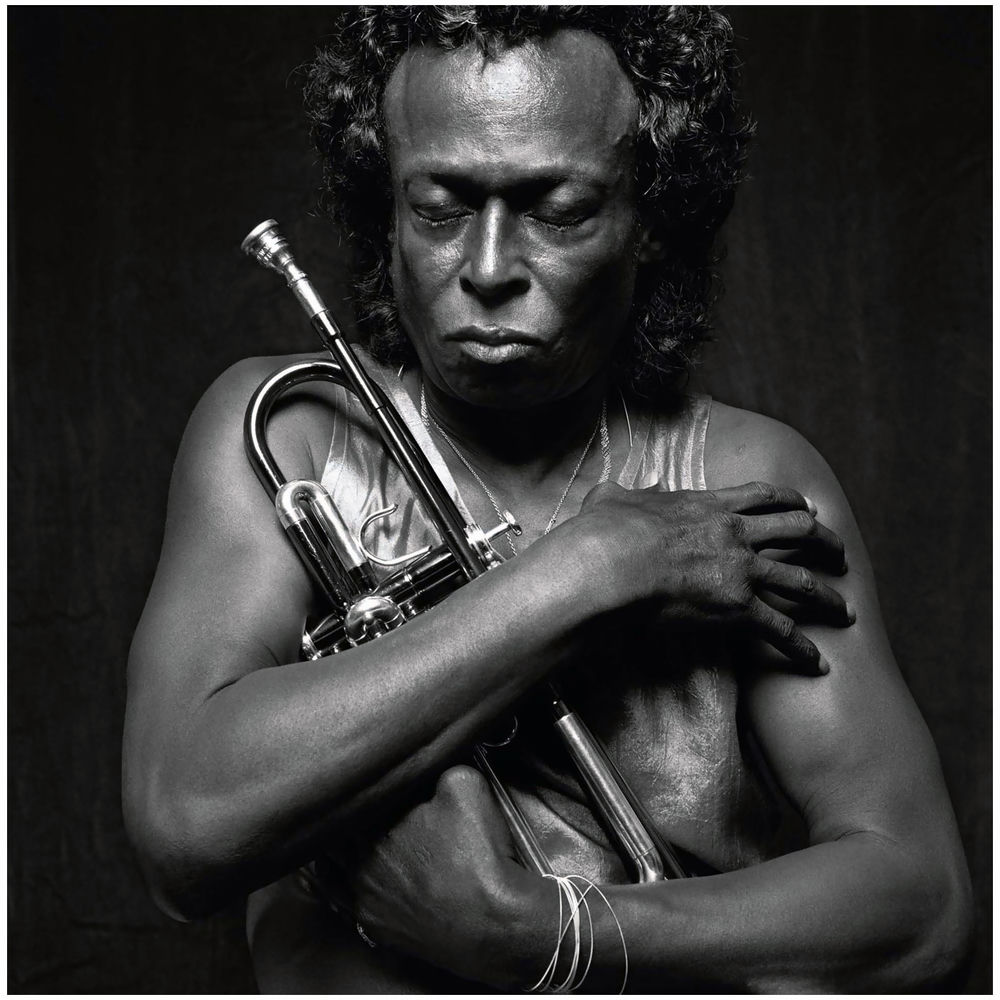
Miles Davis Quintet
Listen on radio stations:
Miles Davis Quintet: The Pioneering Small Group of Jazz
The Miles Davis Quintet was not a single, static band but a series of landmark small groups led by the iconic trumpeter Miles Davis. These ensembles, active in distinct phases during the 1950s and 1960s, were crucibles for modern jazz, producing some of the most influential recordings in the genre's history. Their work redefined small-group interplay and introduced a generation of legendary sidemen to the world.
Early Career
The first great Quintet was formed in 1955, a pivotal move for Davis after overcoming personal struggles. This group featured a phenomenal lineup: John Coltrane on tenor saxophone, Red Garland on piano, Paul Chambers on bass, and Philly Joe Jones on drums. Their initial recordings for the Prestige label, including the albums "The New Miles Davis Quintet" and "Cookin'", captured the essence of hard bop with a refined, lyrical approach.
Breakthrough
The Quintet's contract with Columbia Records in 1956 marked a major breakthrough, allowing for longer studio sessions and greater artistic freedom. This period yielded classic albums like "'Round About Midnight" and the seminal "Milestones". The group's innovative use of modal structures, first fully realized on the 1959 masterpiece "Kind of Blue", permanently altered the course of jazz, though the original quintet had disbanded by that time due to internal tensions.
Key Tracks
"'Round Midnight" - This Thelonious Monk composition became a signature ballad vehicle for Davis, showcasing his muted, introspective trumpet style and the group's sensitive dynamics.
"So What" - The opening track from "Kind of Blue", this piece is the quintessential example of modal jazz, built on a simple scale structure that inspired legendary solos from Davis and Coltrane.
"Freddie Freeloader" - Notable for featuring pianist Wynton Kelly instead of Bill Evans, this blues from "Kind of Blue" highlights the quintet's effortless swing and conversational style.
"Walkin'" - A defining hard bop anthem from the Prestige years, this track established the quintet's powerful, blues-drenched sound and relentless rhythmic drive.
The Second Great Quintet
In the mid-1960s, Davis formed a new, radically different Quintet with younger musicians: Wayne Shorter on saxophone, Herbie Hancock on piano, Ron Carter on bass, and Tony Williams on drums. This group pushed jazz into more abstract, rhythmically complex territory on albums like "E.S.P.", "Miles Smiles", and "Nefertiti". Their approach was one of constant spontaneous composition, deconstructing standards and originals with breathtaking collective intuition, cementing Davis's role as a perpetual innovator in modern jazz.