Mills Blue Rhythm Band
Mills Blue Rhythm Band: Pioneers of the Swing Era
The Mills Blue Rhythm Band was a prominent American swing and jazz orchestra active during the 1930s. Hailing from New York City, the ensemble became a fixture at the famed Cotton Club and recorded extensively for major labels like Brunswick and Victor, leaving behind a rich catalog that captured the vibrant energy of the big band era.
Early career
The band was formed in 1930 by drummer Willie Lynch under the name "The Blue Rhythm Band." Its early personnel was fluid, but the group quickly established itself in Harlem's competitive music scene. In 1931, music publisher and talent manager Irving Mills took over the band's management, adding his name to its title and securing prestigious engagements.
Breakthrough
The band's association with Irving Mills proved to be its major breakthrough, providing stability and high-profile opportunities. Throughout the mid-1930s, the Mills Blue Rhythm Band became a reliable recording unit and a popular attraction, often serving as the alternate house band at the Cotton Club when Duke Ellington or Cab Calloway were on tour.
Key tracks
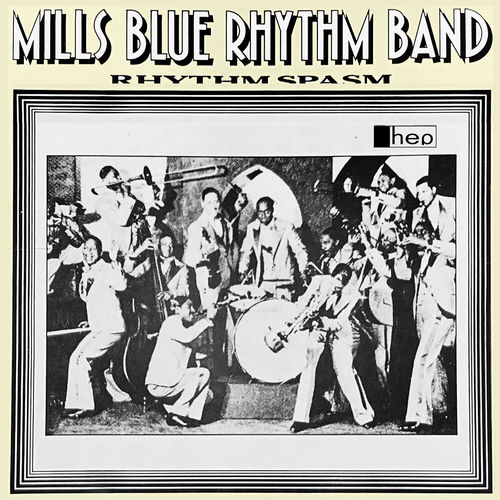
Rhythm Spasm — This 1930 recording under the original Blue Rhythm Band moniker showcases the group's early, driving style that set the stage for their future success.
Harlem Heat — A standout 1934 side that exemplifies the band's powerful, brass-heavy sound and sophisticated arrangements.
Truckin' — Their 1935 recording of this popular dance number became a signature tune, perfectly capturing the swing dance craze of the period.
Blue Rhythm Fantasy — This track highlights the band's musical ambition and the intricate writing that rivaled the more famous orchestras of the day.
The band featured a rotating cast of exceptional musicians, including trumpeters Henry "Red" Allen and Charlie Shavers, and saxophonist Joe Garland. While they never achieved the superstar status of Ellington or Count Basie, the Mills Blue Rhythm Band was respected as a tight, versatile, and hard-swinging outfit. They recorded hundreds of sides, providing a crucial platform for many talented sidemen and contributing significantly to the swing genre's development. The ensemble's activity gradually waned towards the end of the 1930s, with the group effectively dissolving by 1938, though it was briefly revived under different leadership later. For fans of the classic big band sound, similar artists from the United States include Duke Ellington whose orchestra was a contemporary and shared the Cotton Club stage. Cab Calloway led another iconic Cotton Club band known for its showmanship and swing. Jimmie Lunceford led an orchestra celebrated for its precise musicianship and sophisticated charts, much like the Mills Blue Rhythm Band. Chick Webb whose fierce, rhythmically driving band was a staple of the Savoy Ballroom.
The music of the Mills Blue Rhythm Band maintains a steady presence on dedicated radio formats. Their classic swing recordings are regularly featured on traditional jazz FM stations, online big band streams, and specialty programs focusing on the golden age of jazz.
The enduring swing of the Mills Blue Rhythm Band can be heard on radio stations featured on our website. Listeners can discover this foundational orchestra's catalog through the vintage jazz and classic big band radio stations available on onairium.com.