Milva
Type: Person
 British Indian Ocean Territory
British Indian Ocean Territory
Listen on radio stations:




Milva: The Italian Icon of Chanson and Pop
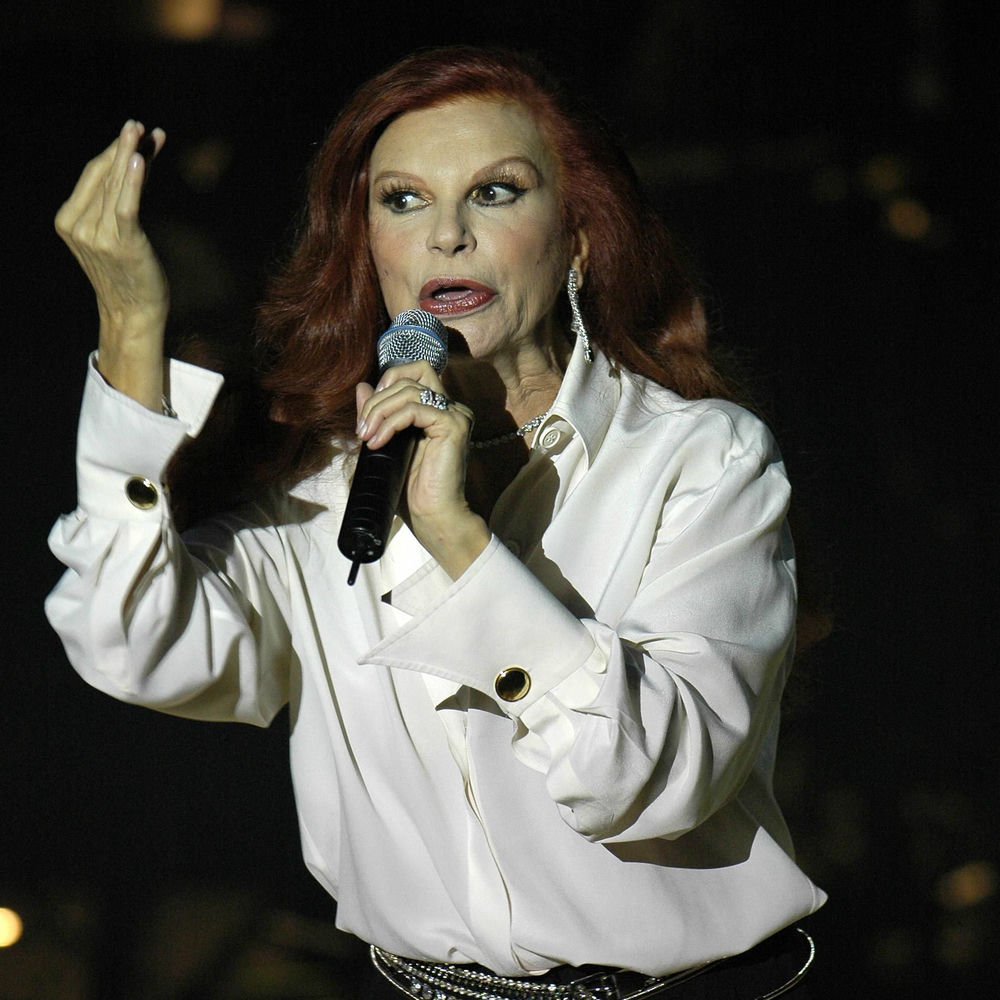
Milva was an Italian singer and actress celebrated for her powerful voice and versatile repertoire across pop, chanson, and musical theatre. Hailing from Italy, she achieved major success in Europe and Japan, selling millions of records and earning the nickname "La Pantera di Goro" for her distinctive red hair and intense stage presence.
Early career
Born Maria Ilva Biolcati in 1939 in Goro, Italy, she began her professional singing career after winning a radio competition in the late 1950s. Adopting the stage name Milva, her early work in the 1960s included Italian pop and schlager, leading to her first recordings and growing popularity in the German-speaking market.
Breakthrough
Milva's international breakthrough accelerated through collaborations with esteemed composers. Her work with Ennio Morricone and her definitive interpretations of songs by Franco Battiato and Astor Piazzolla broadened her artistic scope. This period solidified her status beyond Italy, particularly in Germany and France where her albums consistently charted.
Key tracks
La filanda - This early 1960s hit established Milva as a rising star in the Italian pop scene.
Canzone per te - A signature song written by Sergio Endrigo, showcasing her emotive ballad delivery.
Alexanderplatz - This track exemplifies her successful foray into German-language schlager and pop music.
Da troppo tempo - A later collaboration with Franco Battiato that marked her venture into more avant-garde pop territory.
Milva canta Brecht - Not a single track but a series of acclaimed albums dedicated to the works of Bertolt Brecht and Kurt Weill, defining a major chapter in her career.
Throughout the 1970s and 80s, Milva's career diversified into theatre, starring in productions by directors like Giorgio Strehler. She maintained a prolific recording output, seamlessly moving between Italian canzone, French chanson, and German theatre songs, which earned her numerous gold and platinum awards across Europe.
Artists with a similar transnational appeal and genre-blending style include Dalida, who also mastered French chanson and international pop. Caterina Caselli shares the foundation in Italy's vibrant 1960s pop scene. For powerful female interpreters of European chanson, explore Barbara. The theatrical vocal approach can also be heard in the work of Ute Lemper.
Milva's rich discography, encompassing fiery pop anthems and nuanced chanson, continues to resonate with audiences. Her legacy as a fearless interpreter and cross-cultural performer remains influential.
Similar artists