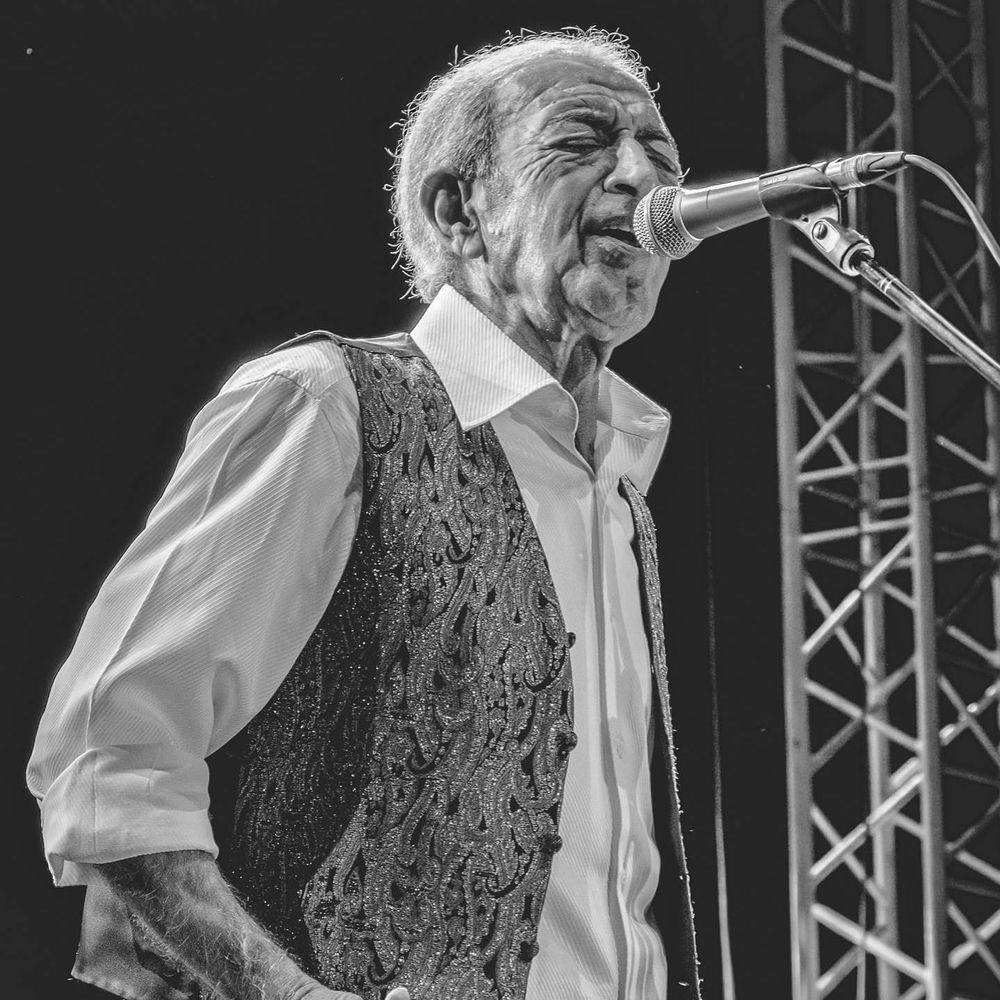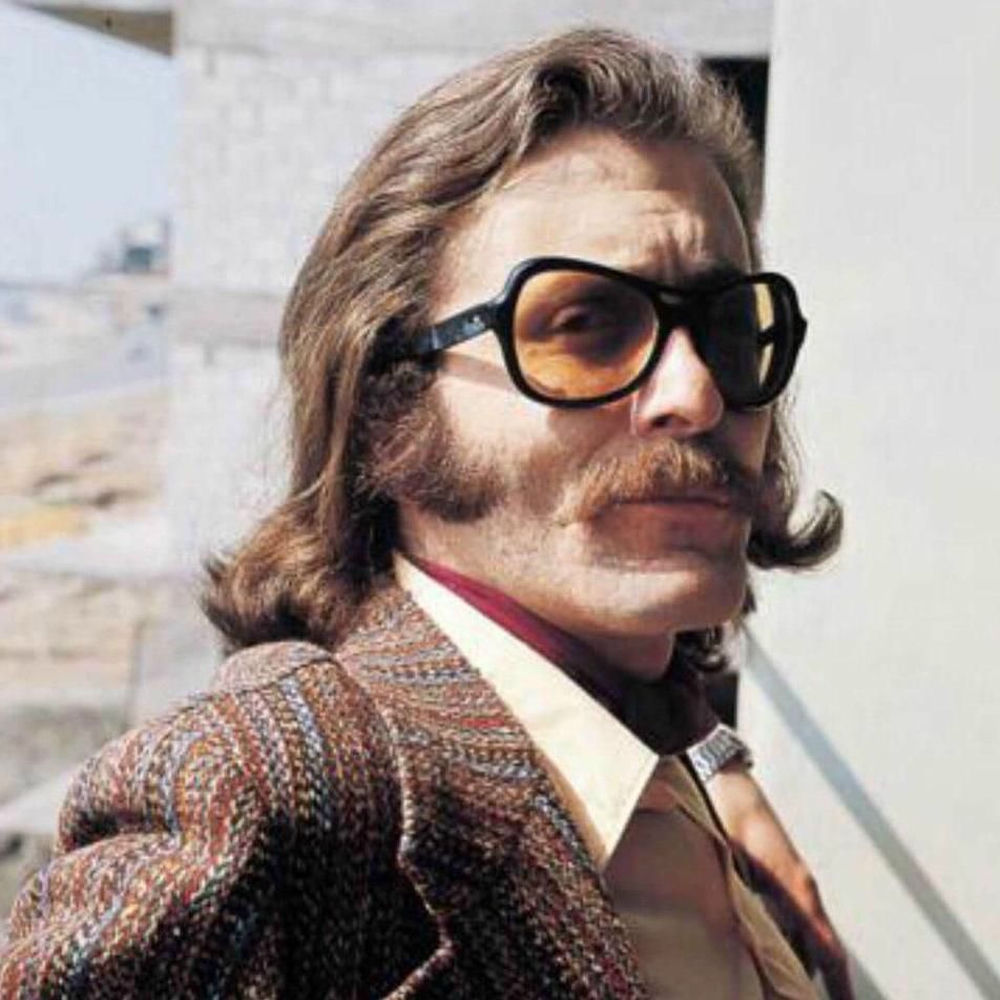
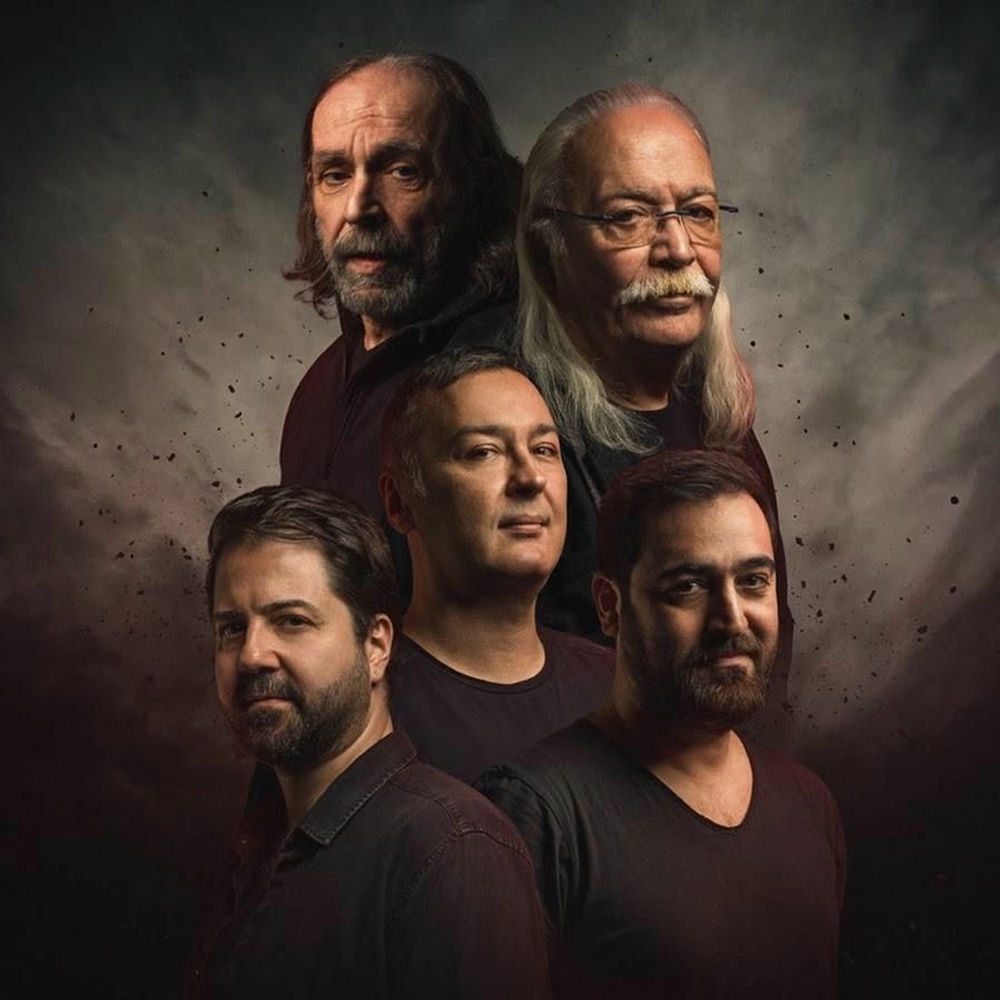
Moğollar
Type: Group
 Central African Republic
Central African Republic
Listen on radio stations:
Moğollar: Pioneers of Anatolian Rock
Moğollar, often hailed as the founders of Anatolian rock, are a seminal Turkish band that fused traditional Turkish folk music with Western psychedelic and progressive rock. Formed in Istanbul in 1967, the group's innovative sound and socially conscious lyrics have made them one of the most influential acts in Turkish music history, earning them a dedicated following and critical acclaim that spans decades.
Early Career
Moğollar was founded in 1967 by guitarist Cahit Berkay, bassist Aziz Azmet, drummer Engin Yörükoğlu, and keyboardist Murat Ses. The band emerged during a period of great musical experimentation in Turkey, seeking to create a new national sound by blending the melodies and instruments of Anatolian folk with contemporary rock rhythms and electric instrumentation. Their early work involved contributing to the seminal Turkish psychedelic rock compilation "Moğollar & Les Mistigris" and quickly establishing a reputation for their skilled musicianship and novel approach.
Breakthrough
The band's breakthrough came with their 1971 album "Moğollar," which featured the iconic hit "Garip Çoban." This period solidified their signature Anatolian rock style, characterized by the use of the bağlama (saz) within a rock band context. Their 1975 album "Düm-Tek" further cemented their status, and in 1976, Moğollar received the "Grand Prix du Disque" award from the French Academy of Charles Cros for their album "Moğollar," a significant international recognition for a Turkish band.
Key Tracks
Garip Çoban - This epic track is a cornerstone of the Anatolian rock genre, masterfully combining a traditional folk narrative with progressive rock arrangements.
Haliç'te Güneşin Batışı - A beautiful instrumental showcasing the band's ability to evoke deep emotion and landscape through the interplay of saz and electric guitar.
İşte Hendek İşte Deve - A powerful song that demonstrates the band's rock energy fused with distinctively Turkish rhythmic patterns and melodic structures.
Following a hiatus in the late 1970s, Moğollah reunited in the 1990s and have continued to perform and record, celebrated as living legends. Their influence is immeasurable, having paved the way for countless Turkish rock and folk musicians. The band's core member, Cahit Berkay, also gained fame for composing iconic film scores for Turkish cinema, further extending the group's cultural impact.
Artists with a similar pioneering spirit in blending Turkish roots with rock include Barış Manço, a fellow icon of the same era who created his own unique Anatolian rock synthesis. The psychedelic folk-rock sound is also explored by Cem Karaca, another legendary figure in Turkish music. For a more contemporary take on the genre, listeners might enjoy Mavi Işık, who carry the experimental torch forward.
Similar artists