Molchat Doma
Listen Molchat Doma on radio stations:
Molchat Doma: Architects of Belarusian Post-Punk
Molchat Doma is a Belarusian post-punk and synth-pop trio known for their stark, atmospheric sound. Hailing from Minsk, the band achieved significant international cult status in the late 2010s, largely driven by the viral success of their music on online platforms.
Early career
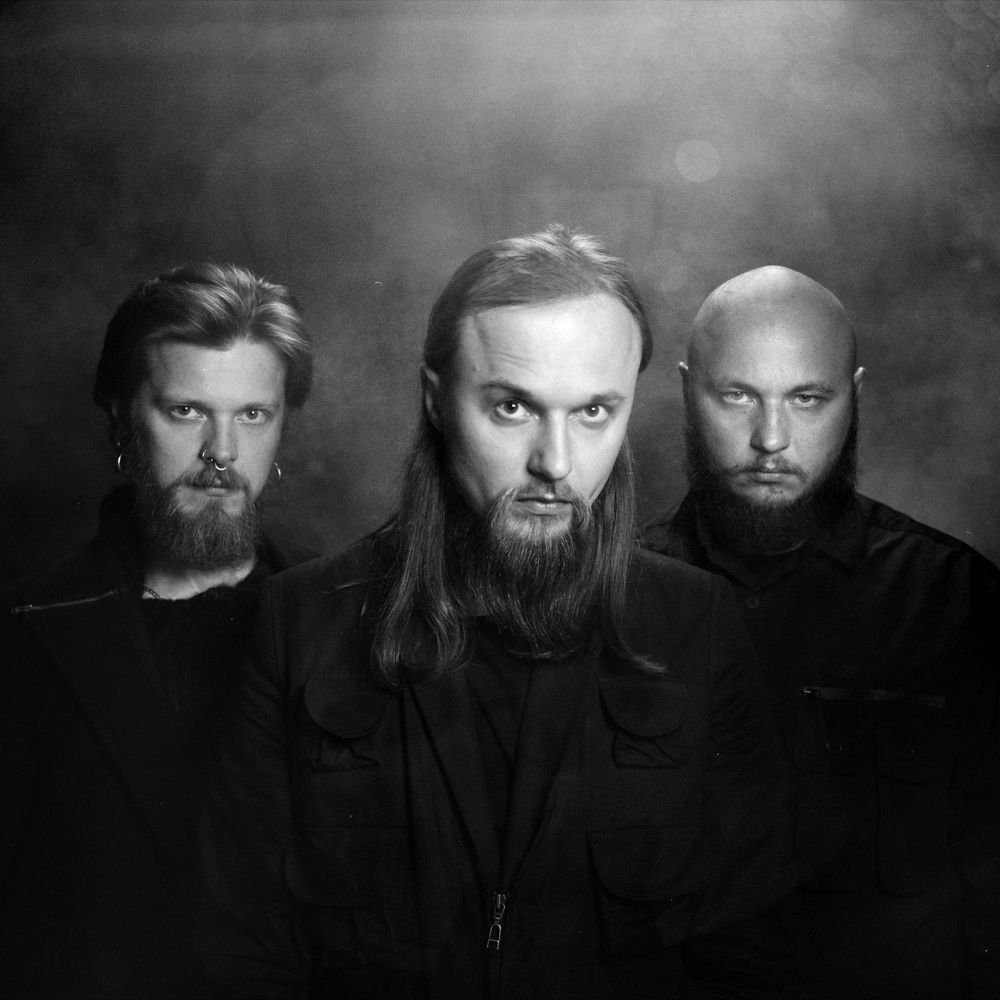
Molchat Doma was formed in Minsk, Belarus, in 2017. The founding members are Egor Shkutko, who provides the deep, monotone vocal delivery in Russian, Roman Komogortsev on guitar and synthesizers, and Pavel Kozlov on bass and drums.
Their musical approach was quickly defined, drawing from the coldwave and post-punk sounds of the 1980s Soviet and Eastern Bloc underground. The band self-released their debut album, S Krysh Nashikh Domov, in 2017, establishing their signature melancholic and minimalist style.
Breakthrough
The band's breakthrough occurred with their second album, Etazhi, released in 2018. While initially gaining traction in niche circles, the album found a massive global audience in 2020 when tracks like Sudno (Boris Ryzhy) went viral on the video-sharing platform TikTok.
This online surge propelled Etazhi and the band's back catalog to the top of the Bandcamp charts and introduced their music to a new generation of listeners worldwide. Their third album, Monument, released in 2020, cemented their status as leading figures in the modern post-punk revival.
Key tracks
Sudno (Boris Ryzhy) - This track from the Etazhi album became a viral phenomenon, serving as the primary engine for the band's explosive international discovery.
Toska - A defining song from their debut, it encapsulates the band's foundational sound of driving basslines, crisp drum machine patterns, and detached, poetic vocals.
Leningradskiy Blues - Featured on Monument, this track showcases a refined production style while maintaining the bleak, cinematic atmosphere central to their music.
Zvezdy - Another standout from Etazhi, its pulsating synths and infectious melody exemplify the band's ability to craft compelling, danceable post-punk.
The music of Molchat Doma resonates with fans of similar darkwave and post-punk acts from Eastern Europe. Artists like Kino share the Russian-language lyrical tradition and melodic sensibilities. Ploho operates in a similar sonic space of modern Russian post-punk. The atmospheric and minimalist approach also finds parallels in the work of Buerak, another act exploring contemporary Eastern European coldwave.
Molchat Doma's distinct blend of nostalgic synthesizers, driving rhythms, and poetic Russian lyrics has secured them a unique position in the global alternative music landscape. Their rise from the Minsk underground to international recognition is a defining story of the internet era's music discovery.
