
Montserrat Caballé: The Spanish Operatic Soprano
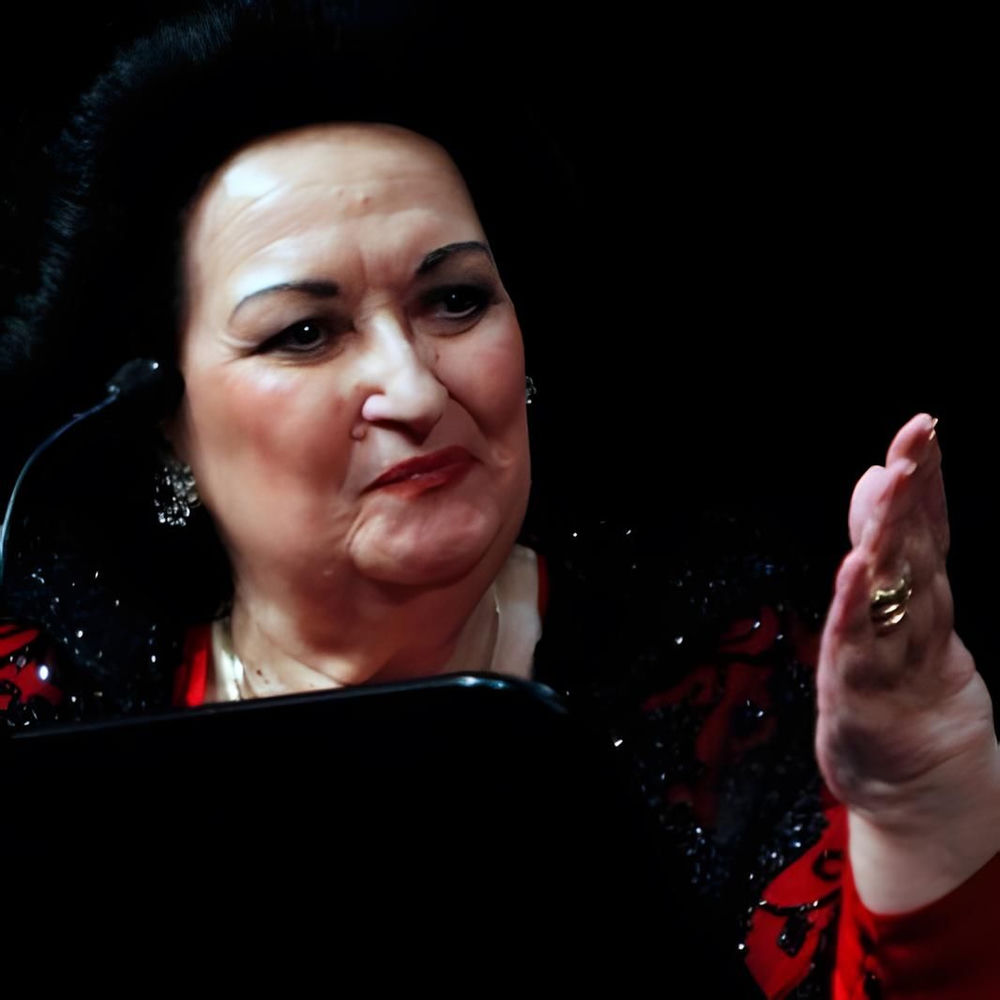
Montserrat Caballé was a Spanish operatic soprano celebrated for her bel canto technique and remarkable vocal control. Hailing from Barcelona, her international breakthrough came in 1965 at Carnegie Hall, leading to a prolific recording career with major labels like RCA and Deutsche Grammophon that sold millions of albums worldwide.
Early career
Born in 1933 in Barcelona, she studied at the Conservatori del Liceu. Her professional stage debut came in 1956 in Basel, Switzerland, performing in a production of La bohème.
She spent several years building her repertoire in European opera houses before her first major recording contract, which helped establish her name within classical music circles prior to her global fame.
Breakthrough
Caballé's career-defining moment occurred on April 20, 1965, when she substituted for an ill Marilyn Horne in a concert performance of Donizetti's Lucrezia Borgia at Carnegie Hall. Her performance received a legendary 25-minute standing ovation and instantly made her an international star.
This led to a flood of engagements at the world's premier opera houses, including the Metropolitan Opera, and a series of exclusive recording deals that produced many best-selling classical albums.
Key tracks
"Casta Diva" from Norma — This Bellini aria became one of her signature pieces, showcasing her flawless legato and breath control in the bel canto repertoire.
"O mio babbino caro" from Gianni Schicchi — Her recording of this popular Puccini aria is considered a definitive version and introduced many to opera.
"D'amor sull'ali rosee" from Il trovatore — This Verdi aria highlighted her powerful yet nuanced dramatic abilities within the soprano spinto repertoire.
"Barcelona" with Freddie Mercury — The 1987 collaborative single merged opera and rock, reaching number 8 on the UK Singles Chart and achieving platinum status, introducing her to a massive pop audience.
Following her breakthrough, Montserrat Caballé maintained a heavy performance schedule into the 1990s, specializing in roles by Bellini, Donizetti, and Verdi. Her vast discography includes complete opera recordings for RCA Red Seal and EMI, as well as popular crossover projects. Her 1988 album with Freddie Mercury, Barcelona, was a global phenomenon, and the title track became an anthem for the 1992 Olympic Games in her hometown.
Artists with a similar vocal mastery and Spanish heritage in classical music include Plácido Domingo, a fellow Spaniard and one of The Three Tenors. José Carreras, another Catalan tenor, shared her bel canto precision and international appeal. Teresa Berganza, the celebrated Spanish mezzo-soprano, excelled in a similar repertoire. For listeners drawn to powerful female vocalists in opera, Maria Callas remains a pivotal figure in the dramatic soprano genre.
Montserrat Caballé's recordings are a staple on classical music FM stations and dedicated opera radio streams worldwide. Her performances are regularly featured in programming blocks focusing on great voices of the 20th century and Spanish cultural icons.
The music of Montserrat Caballé can be heard on radio stations featured on our website. Listeners can discover her vast catalog of operatic and crossover work through the classical and specialty radio stations available on onairium.com.

