
Moody Blues
Listen Moody Blues on radio stations:







Moody Blues: Pioneers of Symphonic Rock
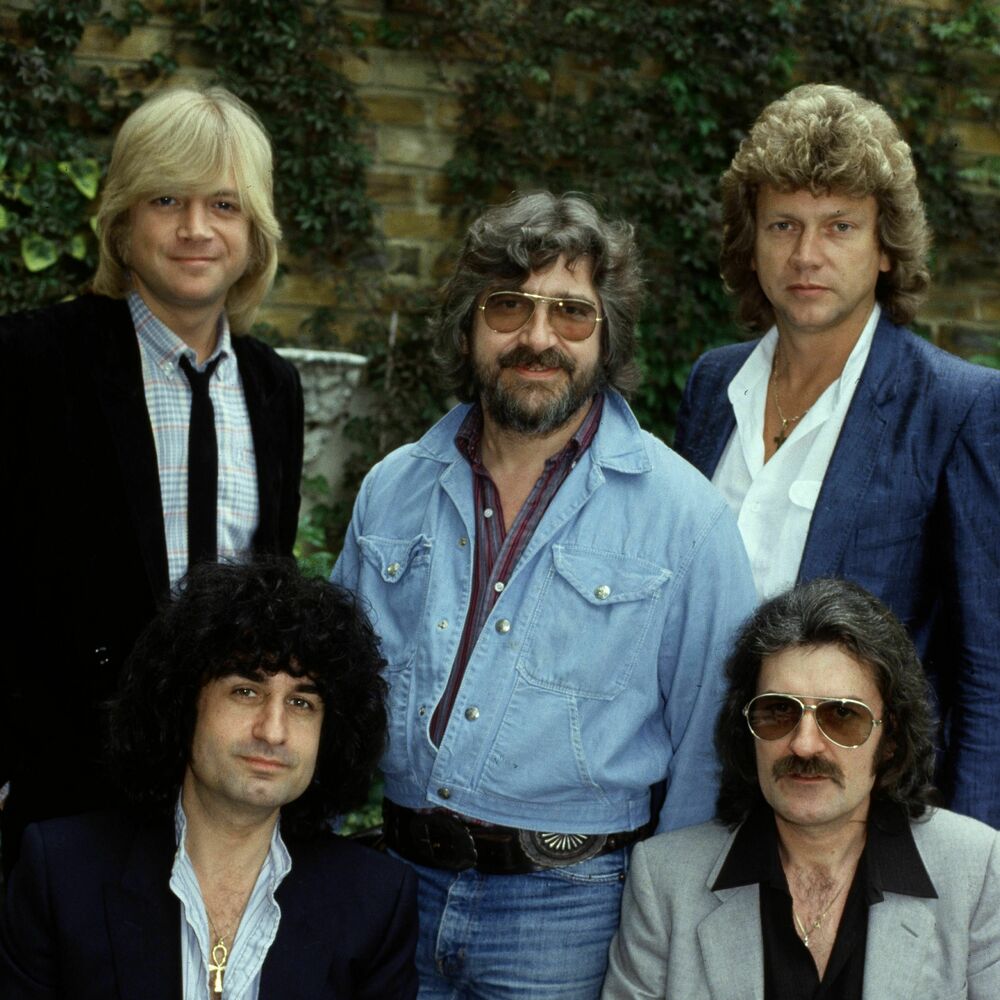
The Moody Blues are a British rock band renowned for their pioneering fusion of rock with classical orchestration, creating a lush, conceptual sound. Emerging from Birmingham in 1964, the group achieved massive commercial success, selling over 70 million albums worldwide and earning 18 platinum and gold discs.
Early career
Formed in Birmingham, England in 1964, the original lineup featured Denny Laine, Mike Pinder, Ray Thomas, Graeme Edge, and Clint Warwick. Their early sound was rhythm and blues-based, and their debut single "Go Now" in 1965 became a number one hit in the UK, establishing their initial presence.
Breakthrough
The band's true artistic and commercial breakthrough came in 1967 with the landmark album Days of Future Passed. A collaboration with the London Festival Orchestra and Decca Records, this innovative album blended rock songs with symphonic interludes and spawned the timeless hit "Nights in White Satin". The album eventually went platinum in the US and became a cornerstone of progressive rock.
Key tracks
Nights in White Satin — This epic ballad from Days of Future Passed became the band's signature song, charting twice in the UK and reaching No. 2 on the US Billboard Hot 100 in 1972.
Tuesday Afternoon — Another key track from their breakthrough album, it showcased their melodic, psychedelic-tinged songwriting and remains a staple of classic rock radio.
Question — A 1970 single from the album A Question of Balance, this urgent, orchestral rock song hit No. 2 on the UK Singles Chart, demonstrating their continued hit-making prowess.
Your Wildest Dreams — This 1986 synth-driven comeback single from the album The Other Side of Life reached No. 9 on the US Billboard Hot 100, reintroducing the band to a new generation.
I'm Just a Singer (In a Rock and Roll Band) — A 1973 hit that served as a self-referential commentary on their own symphonic rock style and the music industry.
The Moody Blues maintained a prolific output through the 1970s with a string of successful albums including On the Threshold of a Dream, A Question of Balance, and Seventh Sojourn, the latter of which reached No. 1 on the US Billboard 200. After a hiatus in the mid-1970s, they returned with the album Octave in 1978, though founding member Mike Pinder departed soon after. The 1980s saw a commercial resurgence with polished albums like Long Distance Voyager (1981), which also hit No. 1 in the US, and The Other Side of Life.
For fans of the Moody Blues' grand, melodic approach to progressive and symphonic rock, other key British artists include The Who for their ambitious rock operas and powerful stagecraft. Electric Light Orchestra directly continued the fusion of rock and classical strings into pop perfection. Yes shares the commitment to complex compositions and conceptual album structures. Genesis also crafted intricate story-driven songs within the progressive rock genre.
The Moody Blues' rich catalog is a fixture on classic rock FM stations and album-oriented rock radio streams, where their epic suites and concise hits alike receive regular airplay. Their music also finds a home on dedicated progressive rock and heritage rock radio stations, appealing to listeners who appreciate sophisticated musical arrangements.
You can hear the symphonic rock anthems of the Moody Blues on the classic rock and album rock radio stations featured right here on onairium.com. Tune in to discover their timeless journey from "Go Now" to the cosmic heights of "Nights in White Satin" and beyond.
