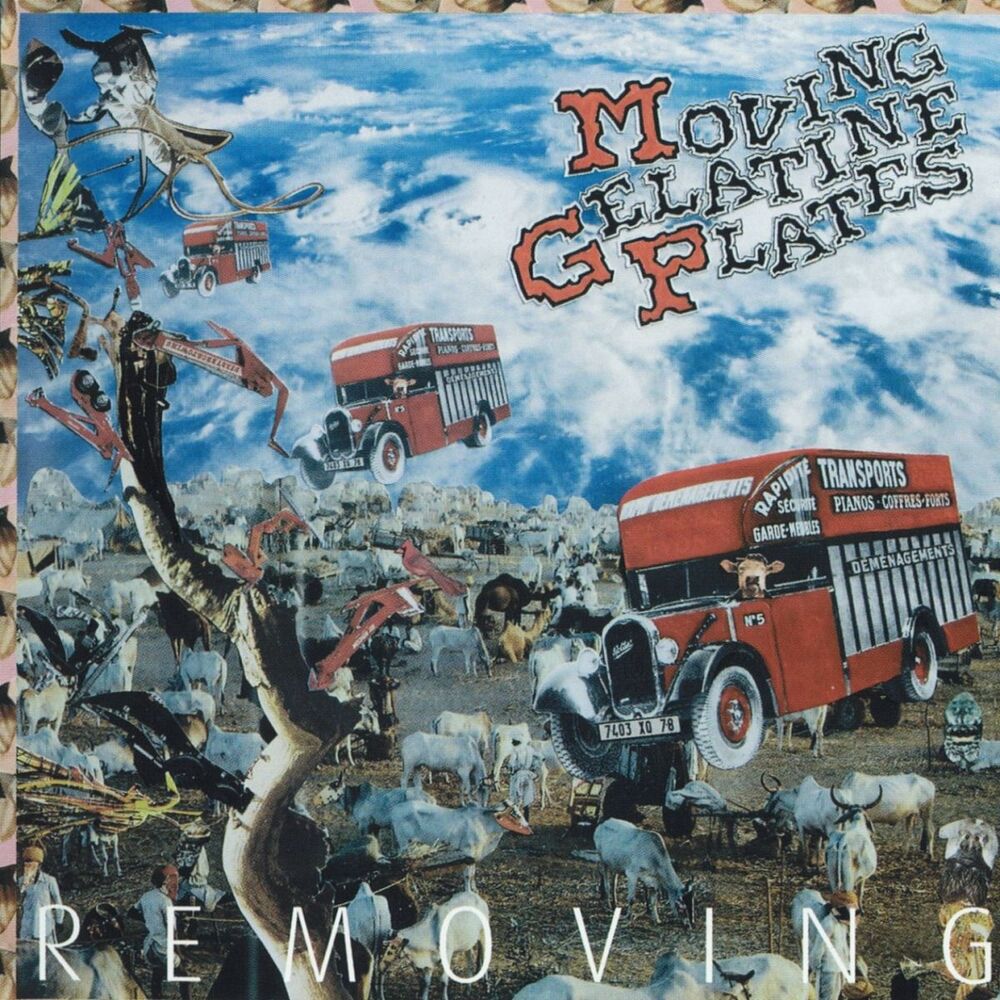
Moving Gelatine Plates
 France
Listen Moving Gelatine Plates on radio stations:
Moving Gelatine Plates: Pioneers of French Progressive Rock
Moving Gelatine Plates was a French progressive rock band that carved a unique niche in the early 1970s European music scene. Hailing from Paris, the group is best known for their complex, jazz-inflected compositions and their influential self-titled debut album released in 1971.
Early career
The band formed in 1968, initially under the name The Drones, before adopting the more surreal Moving Gelatine Plates moniker. Their early sound was a direct product of the Parisian underground, blending psychedelic rock with a growing interest in jazz fusion and complex arrangements.
Their first significant step was signing with the French label CBS, which led to the recording of their debut. This opportunity placed them alongside other experimental French acts of the era, setting the stage for their cult classic release.
Breakthrough
The band's breakthrough arrived in 1971 with the release of their first album, Moving Gelatine Plates. While it did not achieve mainstream chart success or certifications, the album became an instant collector's item among progressive rock enthusiasts for its inventive musicianship.
Its critical reception established Moving Gelatine Plates as a serious force within the European progressive rock movement. The album's intricate interplay between guitar, keyboards, and rhythm section defined their signature sound.
Key tracks
Moving Gelatine Plates — The sprawling title track showcases the band's full range, from melodic passages to frenetic jazz-rock improvisations.
Astral Circus — This song highlights their whimsical, almost Canterbury-scene-inspired approach to composition and melody.
Funny Doll — A prime example of their ability to weave complex time signatures into an accessible and engaging musical narrative.
Cauchemar — This track demonstrates the darker, more intense side of their progressive rock explorations.
The band released a follow-up, The World of Genius Hans, in 1972 before disbanding. They briefly reformed in the late 1970s for a third album, Moving Gelatine Plates (often called "Vol. 2"), but the classic lineup's era was firmly rooted in the early part of the decade. Their music has since been reissued by specialty labels like Musea, cementing their legacy for new generations of prog fans.
Fans of Moving Gelatine Plates' intricate style should explore similar French progressive pioneers. Listen to Magma for a more intense and operatic take on the genre. The jazz-rock fusion of Gong shares a similar spirit of improvisation and whimsy. For another French ensemble with complex compositions, try Ange, who incorporated more theatrical vocals. The instrumental focus of Heldon offers a different, more electronic path from the same creative period.
The innovative sounds of Moving Gelatine Plates remain in rotation on dedicated progressive rock and classic rock FM stations. Their albums are staples on online radio streams that specialize in deep-cut 1970s rock, ensuring their cult status endures.
You can hear the pioneering progressive rock of Moving Gelatine Plates on radio stations featured right here. Explore the artist's discography by tuning into the independent and classic rock radio stations available on onairium.com.
