Nass Al Gheiwan
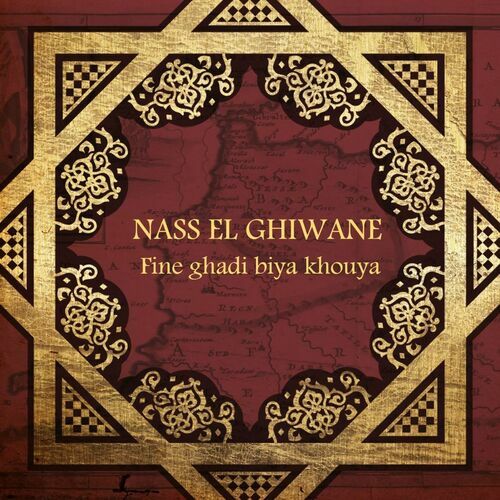
Nass Al Ghiwane: The Pioneering Voice of Moroccan Folk Rock
Nass Al Ghiwane is a legendary Moroccan musical group that revolutionized North African popular music in the 1970s. Hailing from Casablanca, the band achieved unprecedented success by blending traditional Gnawa, Malhun, and Chaabi sounds with modern folk and protest rock, creating a powerful new genre that resonated across the Arab world.
Early career
The group formed in Casablanca in 1971, emerging from the vibrant artistic scene of the Hay Mohammadi neighborhood. The original lineup consisted of Laarbi Batma, Boujemaa Hagour, Allal Yaala, and Omar Sayed, who began performing together after meeting at the local cultural center.
Their early work was deeply rooted in Moroccan heritage, utilizing traditional instruments like the bendir, hajhouj, and lotar. They quickly gained a local following for their poetic, socially conscious lyrics that spoke directly to the experiences of the common people.
Breakthrough
The band's national breakthrough came swiftly with their first major recordings in the early 1970s. Their self-titled debut album and the powerful song "Essiniya" captured the public's imagination, selling massively through cassette tapes and establishing them as the voice of a generation.
Their music was distributed by major labels like Disques Gam and Philips, reaching audiences far beyond Morocco's borders. While specific Western chart positions were not recorded, their albums achieved gold status across North Africa and the Middle East through immense grassroots popularity.
Key tracks
Essiniya — This epic, trance-inducing song became an anthem of longing and social commentary, showcasing the band's hypnotic rhythmic mastery.
Ya Sah — A definitive track that highlights their signature call-and-response vocals and complex, driving percussion patterns.
Al Ghait — Meaning "The Rain," this song's poetic metaphors and spiritual depth solidified their reputation as profound lyricists.
Moulay Ahmed — A track demonstrating their skill in adapting traditional Malhun poetry into a contemporary folk-rock framework.
Despite the tragic death of frontman Laarbi Batma in 1997, the group's legacy continues through surviving members and new formations. Their influence was cemented globally when filmmaker Martin Scorsese featured their music in his 1988 film "The Last Temptation of Christ," introducing their sound to international audiences. The band's catalog has been reissued multiple times, ensuring their message reaches new generations.
For listeners exploring the roots of Moroccan folk rock, several artists share a similar dedication to blending tradition with contemporary energy. Jil Jilala emerged from the same Casablanca scene, pioneering a parallel musical movement. Lemchaheb also fused protest lyrics with Chaabi rhythms, becoming another pillar of 70s Moroccan rock. Amazigh Kateb carries forward the spirit of lyrical social critique within a modern Gnawa-rock context.
The timeless sound of Nass Al Ghiwane maintains a strong presence on radio, featured on world music stations, North African specialty programs, and international folk rock streams. Their pioneering fusion genre is celebrated on stations dedicated to global rock traditions and cultural music discovery.
You can hear the essential music of Nass Al Ghiwane on radio stations featured across our platform. Explore their influential catalog and discover the sound that defined a era through the dedicated radio stations available on onairium.com.