Nino Rota: The Maestro of Cinematic Melody
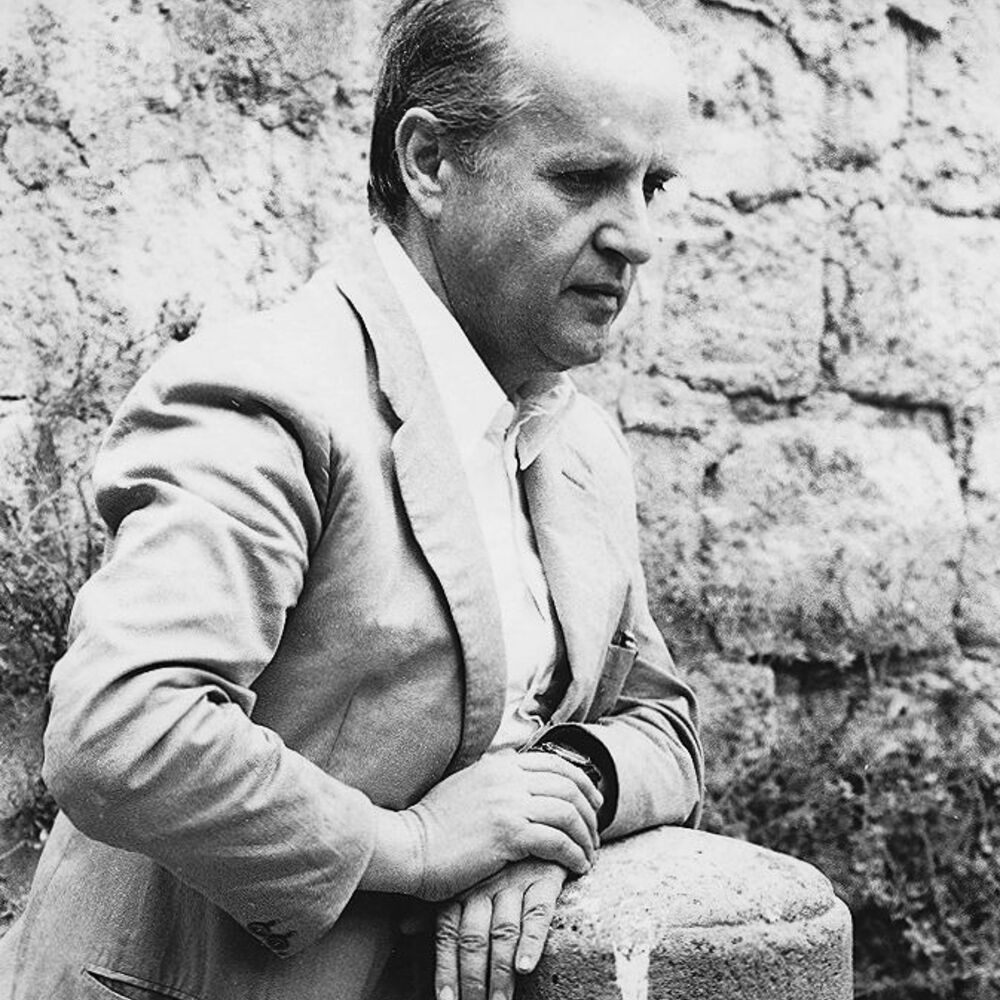
Nino Rota was an Italian composer whose prolific output defined the sound of 20th-century cinema. His most enduring achievement is the iconic score for Francis Ford Coppola's The Godfather, which earned him an Academy Award in 1974.
Early career
Born in Milan in 1911, Rota was a child prodigy, composing an oratorio by age eleven. He studied at the Curtis Institute in Philadelphia before returning to Italy, where he began his long association with the film industry in the early 1930s, composing for directors like Renato Castellani.
Breakthrough
Rota's creative breakthrough came through his legendary partnership with director Federico Fellini, beginning with The White Sheik in 1952. This collaboration, spanning decades and iconic films like La Strada and 8½, established his international reputation for blending classical elegance with playful, circus-like themes.
Key tracks
Love Theme from The Godfather — This haunting melody, also known as "Speak Softly Love," became a global standard and the emotional core of the epic trilogy.
La Dolce Vita — The main theme perfectly captures the film's atmosphere of glamour and decadence in 1960s Rome.
8½ — Rota's score for Fellini's masterpiece is a complex, dreamlike work that mirrors the film's surreal narrative structure.
Romeo and Juliet — His 1968 score for Franco Zeffirelli's adaptation features the timeless "A Time for Us," a romantic ballad that achieved massive chart success independently.
La Strada — The melancholic, folk-inspired music for this 1954 Fellini film won Rota his first Academy Award nomination for Best Original Score.
Beyond Fellini, Rota's collaborations were vast, including work with Luchino Visconti, Franco Zeffirelli, and Francis Ford Coppola. His Godfather score initially missed Oscar eligibility due to his reuse of a motif from an earlier film, but he won for The Godfather Part II. Rota also composed numerous operas, ballets, and concertos, maintaining a parallel career in classical music until his death in 1979.
For listeners captivated by Nino Rota's blend of classical tradition and cinematic narrative, explore similar Italian composers on our site. Discover Ennio Morricone for epic, spaghetti-western soundscapes. Lucio Dalla merges Italian songwriting with sophisticated orchestral pop. The film works of Piero Piccioni offer a parallel journey into stylish 1960s and 70s Italian jazz and lounge. Francesco De Masi provides another rich catalogue of classic Italian film music from the same golden era.
Nino Rota's timeless compositions remain a staple on classic film score radio stations and dedicated cinema music streams featured on this platform. His work is regularly featured in programming blocks celebrating Academy Award winners and the golden age of European filmmaking.
You can hear the iconic music of Nino Rota on specialized radio stations available through onairium.com. Tune in to discover the full scope of his legendary scores and experience the magic of his cinematic sound.