
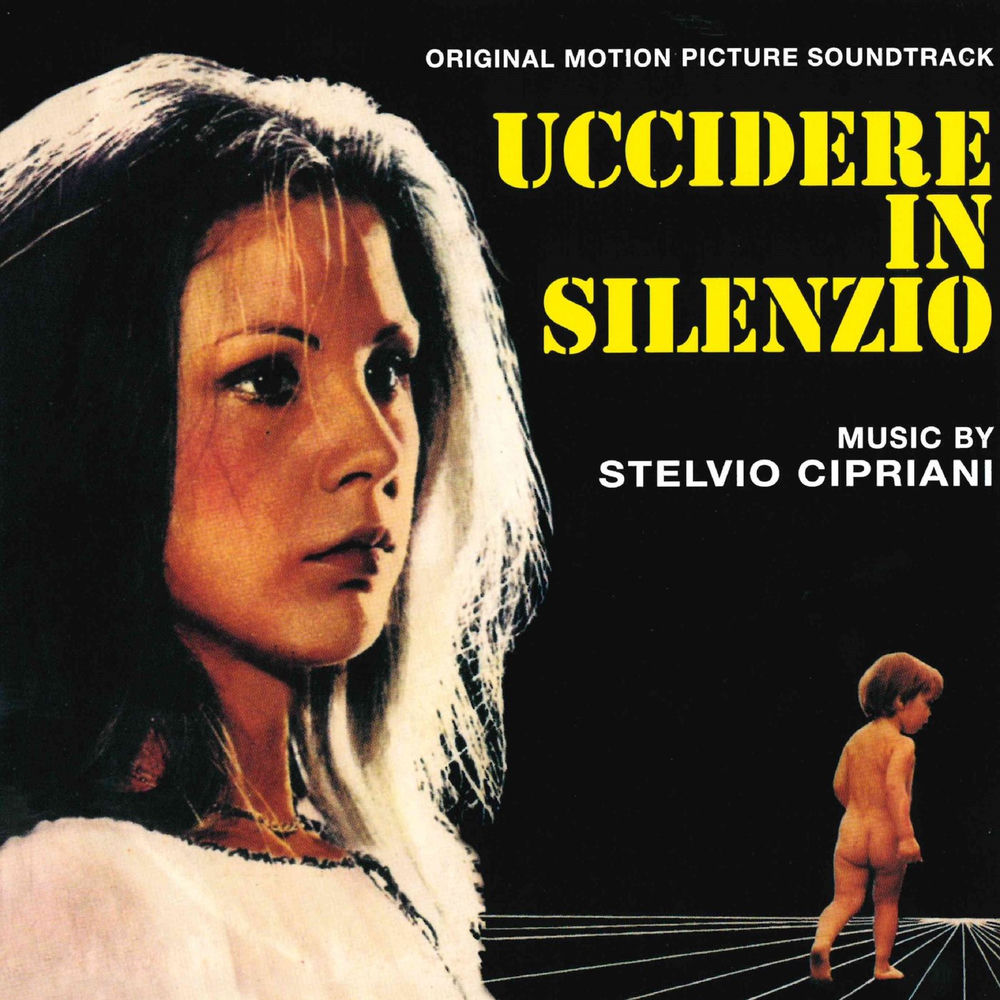
Nora Orlandi: The Voice of Italian Film Music
Nora Orlandi is an Italian singer, conductor, and composer best known for her pioneering work in film scores and popular music of the 1960s and 70s. Hailing from Bologna, her major achievement lies in forming the experimental vocal group I Cantori Moderni di Alessandroni, which became a staple in the iconic soundtracks of the Spaghetti Western era.
Early career
Born in 1933, Nora Orlandi began her musical journey with classical training at the Conservatory of Bologna. Her professional break arrived in the early 1960s when she joined the Rai orchestra as a singer, performing on national television and collaborating with conductor and composer Armando Trovajoli.
This period established her reputation as a versatile vocalist, leading to session work for the burgeoning Italian film industry. Her distinct voice and arranging skills soon caught the attention of maestro Ennio Morricone.
Breakthrough
Nora Orlandi's breakthrough came in 1964 when she founded I Cantori Moderni di Alessandroni. The group, often credited simply as I Cantori Moderni, became the secret weapon for Ennio Morricone and other composers. They provided the haunting, wordless vocals that defined the atmospheric sound of Sergio Leone's Dollars Trilogy, starting with A Fistful of Dollars.
While not charting in a traditional pop sense, their work achieved global recognition through the films' monumental success. The soundtrack albums, featuring their performances, became cult classics and are certified gold in multiple territories.
Key tracks
The Good, the Bad and the Ugly (Main Title) — This iconic Morricone theme features Orlandi's group delivering the unforgettable melodic hook that cemented the sound of the Spaghetti Western.
A Fistful of Dollars — Their vocal work on this title track helped establish the genre's auditory signature, moving beyond traditional orchestration.
Se telefonando — Orlandi arranged and conducted the backing vocals for Mina's 1966 hit, showcasing her adaptability to pure pop and contributing to the song's legendary status.
Metti, una sera a cena — For Ennio Morricone's 1969 score, Orlandi and her ensemble provided the ethereal vocals that became a hallmark of Italian progressive film music.
La Bambola — She arranged the backing vocals for Patty Pravo's 1968 smash hit, demonstrating her direct influence on the Italian pop charts.
Beyond her film work, Nora Orlandi enjoyed a parallel career in popular music. She arranged vocals for many major Italian artists of the 1960s on the Ri-Fi and ARC record labels. Her own group released albums exploring psychedelic and avant-garde pop, such as 1970's Nora Orlandi e I Cantori Moderni - Psichedelia.
As a conductor, she led the orchestra for several Sanremo Music Festival contestants throughout the 1970s. Orlandi's later career included teaching and occasional returns to recording, solidifying her legacy as a complete musician.
Fans of the intricate vocal arrangements and cinematic scope of Nora Orlandi's work might also explore Ennio Morricone for the iconic compositions she helped realize. The experimental pop spirit of Mina shares a connection through Orlandi's vocal arrangements. The progressive film scoring of Riz Ortolani operates in a similar innovative Italian tradition. Listeners may also appreciate the vocal group work of The Swingle Singers for their parallel use of the voice as an instrumental force.
The unique sound of Nora Orlandi and I Cantori Moderni finds a regular home on specialty radio formats. Their music is featured on classic film score programs, dedicated Italian music stations, and online radio streams focusing on vintage soundtracks and 1960s European pop.
You can hear the influential music of Nora Orlandi on radio stations featured on our website. Discover her iconic vocal work and vast catalog by tuning into the film music and classic Italian pop stations available on onairium.com.