Number Girl
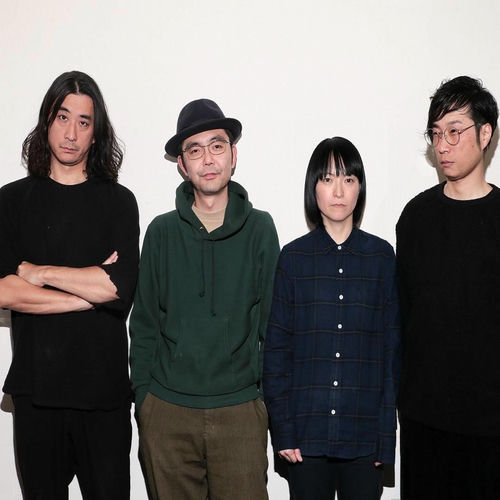
Number Girl: Pioneers of Japanese Alternative Noise Rock
Number Girl was a seminal Japanese alternative rock band that fused punk energy with dissonant noise and melodic hooks. Formed in Fukuoka in 1995, the quartet became a cornerstone of the Japanese indie scene, achieving cult status and influencing a generation with albums like their 1999 major-label debut School Girl Bye Bye.
Early career
Number Girl was formed in 1995 by vocalist and guitarist Shutoku Mukai, guitarist Kentaro Nakao, bassist Hisako Tabuchi, and drummer Ahito Inazawa. The band honed its aggressive, wiry sound in the local Fukuoka scene before self-releasing the demo tape Tummy in 1997. Their raw potential caught the attention of the independent label Toshiba-EMI's EASTWORLD imprint, which led to their first official releases.
Breakthrough
The band's major breakthrough arrived in 1999 with their explosive debut album School Girl Bye Bye. Released on Toshiba-EMI, the album captured their chaotic live energy and sharp songwriting, resonating powerfully with youth seeking an alternative to mainstream J-pop. While not a massive commercial chart-topper, the album solidified Number Girl's reputation as leaders of a new, intelligent Japanese rock movement, selling consistently and building a dedicated national following.
Key tracks
Omoide in My Head — This frantic, anthemic single from their debut album became an instant classic and a definitive setlist staple.
Drunken Hearted — Showcasing their dynamic range, this track blends a melancholic verse with a crushing, cathartic chorus.
Urban Guitar Sayonara — A prime example of their signature sound: intertwining, dissonant guitar lines over a propulsive rhythm section.
Iggy Pop Fan Club — This later-career track highlights their evolved, more complex arrangements while retaining their foundational punk spirit.
The success of School Girl Bye Bye was followed by a prolific period including albums like Sappukei (2000) and Num-Heavymetallic (2002). These releases saw Number Girl refining their noise-rock assault with increased production polish and experimental touches, garnering critical acclaim. The band shocked fans by announcing their dissolution in 2002, playing a final legendary tour that cemented their legacy.
Post-breakup, members remained highly active. Mukai formed Zazen Boys, while Tabuchi joined Bloodthirsty Butchers and later founded toddle. In a major event for fans, Number Girl reunited in 2019 for a series of sold-out tours, proving their music's enduring power and introducing their influential sound to a new audience.
Fans of Number Girl's intense, guitar-driven style should also explore similar groundbreaking Japanese artists. The angular punk and pop sensibilities of Asian Kung-Fu Generation share a common musical lineage. The raw, emotional intensity of The Pillows offers a parallel track in the Japanese alternative canon. For a more experimental take on noise-rock, the work of Boris is essential listening. The melodic yet abrasive edge of Mass Of The Fermenting Dregs also carries the influence of Number Girl's pioneering spirit.
Number Girl's catalog remains a staple on alternative rock radio stations and dedicated online rock radio streams that focus on influential international indie scenes. Their songs are frequently featured in programming blocks celebrating Japanese rock history or the evolution of global punk and noise music.
The music of Number Girl, a foundational force in Japanese noise-rock, continues to be played on radio stations featured here. Listeners can discover the band's influential discography by tuning into the alternative and indie rock stations available on onairium.com.