O(+>
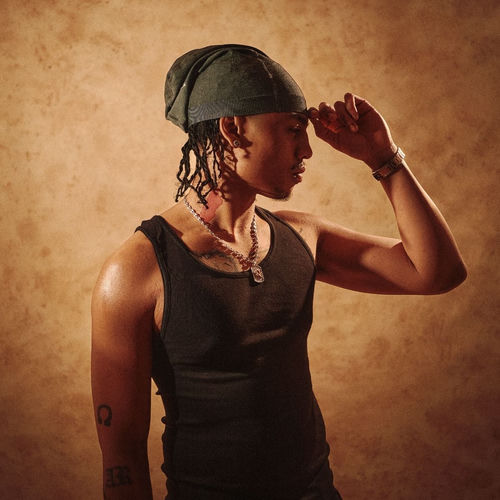
O(+> The Enigmatic Force of 1990s R&B
The artist known as O(+>, pronounced "The Artist Formerly Known as Prince," is the revolutionary moniker adopted by Prince Rogers Nelson from 1993 to 2000. Originating from Minneapolis, Minnesota, this period saw the superstar release five studio albums under a complex contractual arrangement with Warner Bros. Records, a move that redefined artist-label power dynamics and produced several charting singles.
Early career
Prince Rogers Nelson, born in 1958 in Minneapolis, began his prolific career in the late 1970s, achieving global superstardom in the 1980s with massive albums like "1999" and "Purple Rain." His early work established him as a visionary funk and R&B artist with rock sensibilities, known for his prolific output and complete creative control over his music.
Breakthrough
The O(+> era itself was a conceptual breakthrough, formally beginning in 1993 when he legally changed his name to an unpronounceable symbol in protest against his recording contract. This act of defiance, paired with the 1992 release of the "Love Symbol Album," which peaked at No. 5 on the Billboard 200 and went platinum, cemented his reputation as an artist willing to challenge industry norms for creative freedom.
Key tracks
7 — This 1992 single became a global hit, reaching No. 7 on the Billboard Hot 100 and defining the sophisticated, spiritual funk of the era's sound.
The Most Beautiful Girl in the World — Released independently in 1994 under the O(+> name, it became a No. 3 hit on the Hot 100 and a gold-certified international smash, proving his commercial power outside major label systems.
Gold — The lead single from 1995's "The Gold Experience" showcased a harder rock edge and became a staple on MTV and radio, highlighting the diversity of his O(+> catalog.
Betcha by Golly Wow! — His 1996 cover of The Stylistics' classic for the "Emancipation" album demonstrated his deep reverence for classic soul and R&B within his new artistic framework.
Following the "Emancipation" triple album in 1996, which went gold, O(+> continued to release genre-blending work like 1998's "Crystal Ball" and 1999's "Rave Un2 the Joy Fantastic." His collaborations during this time included work with artists like Chaka Khan, Larry Graham, and Ani DiFranco, showcasing his wide-ranging influence across R&B, funk, and rock. The contractual dispute with Warner Bros. concluded around 2000, after which he reclaimed the name Prince and continued an immensely productive career until his passing in 2016.
Artists exploring similar territories of funk, rock, and avant-garde R&B include D'Angelo who channels a comparable blend of raw soul and meticulous production. Janelle Monáe shares a commitment to conceptual artistry and genre fusion rooted in funk. The innovative spirit of OutKast mirrors O(+>'s willingness to defy commercial expectations. For the Minneapolis sound's legacy, explore The Time, the funk band he formed and produced.
The music of O(+> remains a fixture on classic R&B and funk radio stations, as well as on eclectic alternative rock radio stations that appreciate his genre-defying work. Online rock radio streams and independent music radio stations frequently feature deep cuts from his 1990s catalog, celebrating this unique chapter in his career.
Listeners can discover the groundbreaking music of O(+> through the dedicated radio stations available on onairium.com, where his influential blend of funk, R&B, and rock continues to inspire new audiences on curated airwaves.