Orchester Ambros Seelos
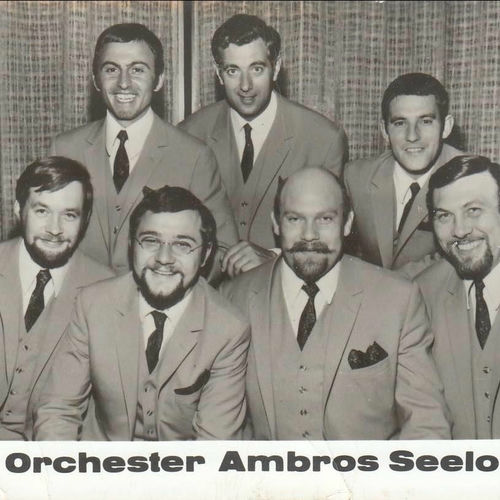
Orchester Ambros Seelos: The Sound of German Schlager and Volksmusik
Orchester Ambros Seelos is a German ensemble that became a staple of the Schlager and Volksmusik genres throughout the latter half of the 20th century. Led by bandleader and composer Ambros Seelos, the orchestra achieved significant commercial success, selling millions of records and securing a lasting presence on German radio and television.
Early career
The foundation of the orchestra traces back to Ambros Seelos himself, born in 1929 in Munich, Germany. His musical journey began early, and by the 1950s, he was establishing himself as a skilled accordionist and arranger within the local dance and folk music scene.
Seelos formed his own ensemble, initially performing at festivals and dance halls. His talent for crafting melodic, accessible arrangements caught the attention of record labels, leading to his first recordings for the Philips label in the late 1950s and early 1960s.
Breakthrough
The orchestra's major breakthrough came in the mid-1960s with a series of instrumental hits that dominated the German charts. A key moment was the 1965 release of the single "Kleine Gitarre," which showcased the group's signature blend of rhythmic Schlager and polished orchestral folk.
This success was solidified through a prolific output of albums and singles on the Philips and later the Telefunken labels. The orchestra's albums frequently charted, with titles like "Die Schönsten Melodien Aus Der Fernsehshow" achieving gold status for robust sales, cementing their status as hitmakers.
Key tracks
Kleine Gitarre — This 1965 instrumental hit became the orchestra's signature tune and a perennial favorite on German radio.
Heimat deine Sterne — A classic Volksmusik piece that exemplifies the ensemble's heartfelt and melodic approach to traditional German music.
Zillertal Hochzeitsmarsch — A lively and recognizable party track that remains a staple at festivals and celebrations.
Die Kleine Bergkapelle — This song highlights the precise, cheerful brass and accordion interplay that defined the Orchester Ambros Seelos sound.
Griechischer Wein — The orchestra's popular instrumental cover of the Udo Jürgens classic demonstrated their skill in interpreting contemporary Schlager hits.
Throughout the 1970s and 1980s, Orchester Ambros Seelos maintained a relentless schedule of recordings, television appearances on shows like "Musikantenstadl," and live performances. The ensemble became synonymous with reliable, high-quality dance and listening music for a broad German audience.
While specific later chart positions are less documented, their catalog continued to sell steadily. The orchestra's work, often released through the Bellaphon label in later years, ensured their music remained in constant rotation on specialized radio formats.
Fans of the accessible, melodic style of Orchester Ambros Seelos also enjoy the music of Willy Millowitsch, who shared a similar folk-inspired, entertainment-focused approach. The polished brass sound can be compared to Ernst Mosz and his orchestra. For listeners who appreciate German instrumental Schlager, Max Greger offers a similarly vibrant big band experience. The genre-defining work of James Last also shares the same spirit of bringing orchestral pop to mass audiences.
The timeless sound of Orchester Ambros Seelos continues to resonate on radio, particularly on German Schlager and Volksmusik FM stations, as well as on dedicated online radio streams that celebrate classic European light entertainment. Their extensive catalog guarantees regular airplay, introducing new generations to their cheerful melodies.
Listeners can discover the enduring charm of Orchester Ambros Seelos by tuning into the Schlager and Volksmusik radio stations featured on our website. Explore the onairium.com platform to find stations that regularly play the classic hits of this definitive German orchestra.