Orlando Julius
 Nigeria
Listen Orlando Julius on radio stations:
Orlando Julius: The Nigerian Pioneer of Afrobeat
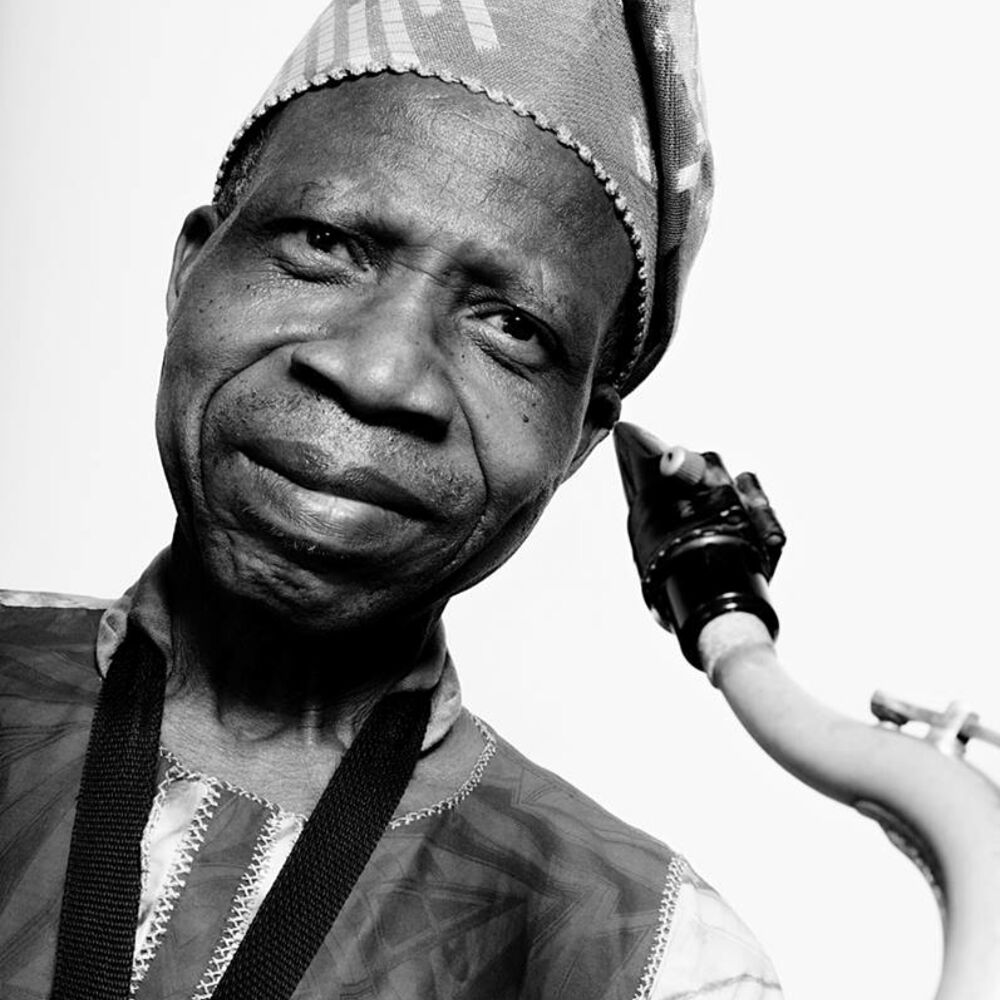
Orlando Julius is a Nigerian saxophonist, singer, and bandleader whose foundational work in the 1960s helped shape the sound of Afrobeat. Hailing from the city of Ijebu-Ijesha, his 1966 hit "Jagua Nana" became a West African classic and established him as a key architect of a vibrant new musical era.
Early career
Born Orlando Julius Aremu Olusanya Ekemode in 1943, he began his musical journey in Ijebu-Ijesha before moving to Lagos. He honed his craft playing highlife and American soul and R&B, forming his first band, the Modern Aces, in the early 1960s. His debut album, Super Afro Soul, released in 1966 on Phillips West Africa, showcased his potent fusion of indigenous rhythms with fiery saxophone and soulful vocals.
Breakthrough
The 1966 release of "Jagua Nana" was his definitive breakthrough, propelling him to stardom across Nigeria and Ghana. The single's success, backed by his dynamic stage shows, made his album a major seller and a staple on radio playlists throughout the region. This period cemented his reputation as an innovator who was seamlessly blending highlife, jazz, and funk years before the term Afrobeat became widely used.
Key tracks
Jagua Nana — This 1966 smash is his signature song, a driving, saxophone-led anthem that became a cornerstone of the developing Afrobeat sound.
Aseni — A track from his debut album notable for its catchy call-and-response vocals and tight, danceable groove that influenced countless bands.
Psychedelic Afro Shop — This later track exemplifies his adventurous spirit, incorporating psychedelic rock elements into his African-rooted music.
Buje Buje — A prime example of his ability to craft infectious, rhythmically complex instrumentals that spotlight his powerful horn arrangements.
After his initial success, Orlando Julius continued to record and tour in West Africa before a pivotal move to the United States in the 1970s. There, he collaborated with famed musicians like Hugh Masekela and the Crusaders, further expanding his sonic palette. He recorded the album Boogie Legs with his band the Nigerian Allstars in Los Angeles, introducing his Afrobeat sound to a new audience. His influence was notably reciprocal, as his early 1970s work reportedly inspired a young Fela Kuti during a period of musical exploration.
Julius experienced a major career resurgence in the 21st century, re-releasing his classic material and recording new work. His 2014 album Jaiyede Afro, recorded with the Heliocentrics, was critically acclaimed and reintroduced his music to a global audience. He continued to perform internationally with his band the Afro Soundz until his passing in 2022, leaving behind a profound legacy. His music has been sampled by hip-hop artists and compiled on seminal reissues like Nigeria 70: The Definitive Story of 1970s Funky Lagos.
Fans of Orlando Julius's foundational Afro-funk will also appreciate the sounds of Fela Kuti for the evolution of the political Afrobeat sound. Manu Dibango shares his mastery of the saxophone and pan-African musical fusion. The vibrant highlife roots of his music connect to the work of King Sunny Ade. For the psychedelic and funk-infused side of his catalog, explore William Onyeabor.
Orlando Julius's pioneering Afrobeat and Afro-soul recordings are a vital part of the rotation on our dedicated world music and classic African grooves radio stations. His timeless tracks from the 1960s and 70s, as well as his later collaborations, are regularly featured on our online streams that celebrate the roots of global funk.
You can hear the influential music of Orlando Julius on the radio stations featured here on onairium.com.