Ornette Coleman
Type: Person
 Mauritius
Mauritius
Listen on radio stations:


Ornette Coleman: The Architect of Free Jazz
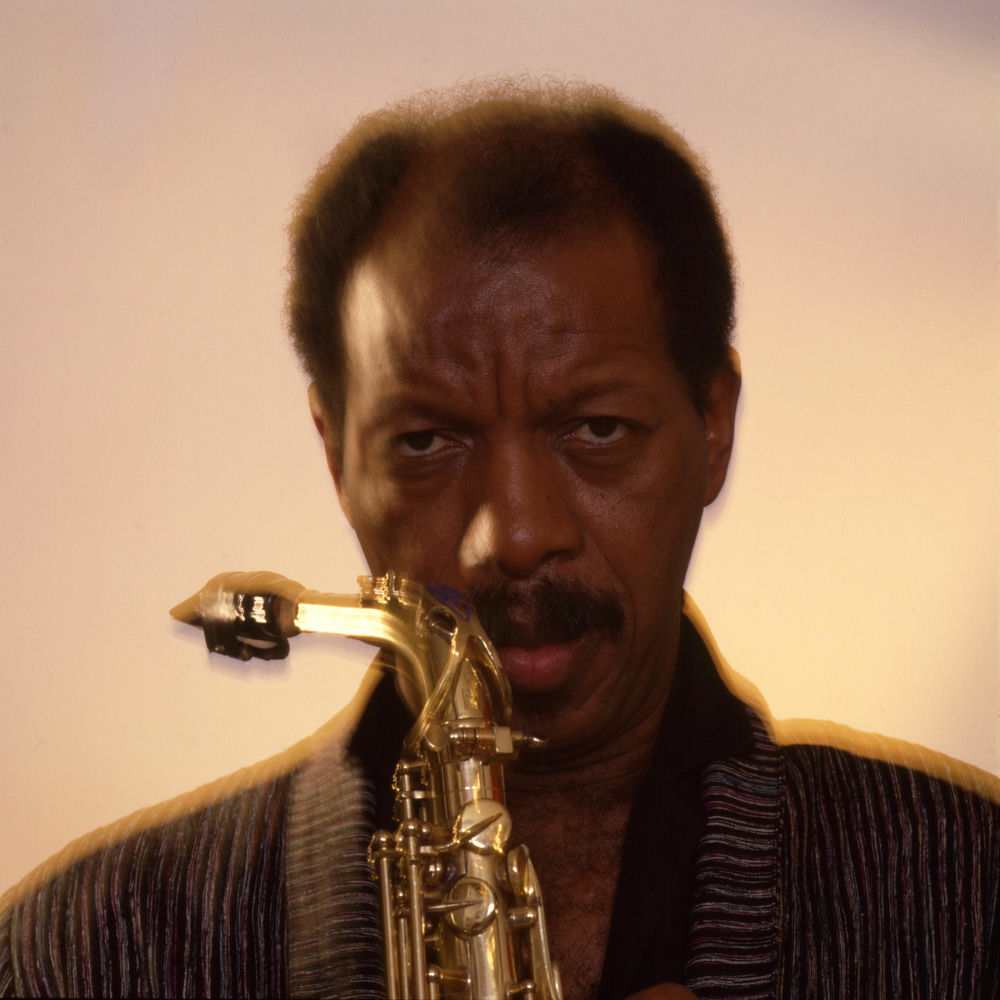
Ornette Coleman was an American saxophonist and composer whose radical approach to harmony and melody permanently altered the landscape of jazz. Emerging from the vibrant Texas music scene, his most significant achievement was pioneering the "free jazz" movement, liberating improvisation from conventional chord structures and forever expanding the genre's possibilities.
Early Career
Randolph Denard Ornette Coleman was born in 1930 in Fort Worth, Texas. He began playing the alto saxophone as a teenager, developing a uniquely raw and vocal tone while immersed in rhythm and blues bands. After struggling to find acceptance for his unconventional ideas in Los Angeles, he recorded his debut album, *Something Else!!!!*, in 1958 for the Contemporary label, offering the first glimpse of his revolutionary concepts.
Breakthrough
Coleman's true breakthrough arrived in 1959 with his move to New York City and the release of *The Shape of Jazz to Come* on Atlantic Records. This album, featuring his seminal quartet with trumpeter Don Cherry, bassist Charlie Haden, and drummer Billy Higgins, presented his theory of "harmolodics," where harmony, melody, and rhythm enjoyed equal importance. The following year's explosive double-quartet recording, *Free Jazz: A Collective Improvisation*, provided the name for the entire avant-garde movement he ignited.
Key tracks
Lonely Woman - This haunting composition from *The Shape of Jazz to Come* became his most famous piece, showcasing the quartet's emotive, intertwined melodies.
Ramblin' - A blues-based track that demonstrated how Coleman's "free" concepts were deeply rooted in folk and traditional American music forms.
Free Jazz - The nearly 40-minute title track from his 1960 album defined a new era of collective, atonal improvisation and remains a landmark in avant-garde jazz.
Broadway Blues - This later composition highlighted his ability to deconstruct familiar song forms with his electric band, Prime Time, blending free jazz with funk rhythms in a style sometimes called "free funk."
Throughout the 1970s and beyond, Coleman continued to innovate, leading his electric band Prime Time and composing works for classical ensembles. He received widespread recognition, including a Pulitzer Prize in 2007 for his album *Sound Grammar*. Ornette Coleman's harmolodic theory and fearless artistic pursuit solidified his status as one of the most important and influential figures in 20th-century music.
Artists exploring similar territories of avant-garde and free jazz include John Coltrane, who also pursued spiritual and modal freedom in his later work. Cecil Taylor paralleled Coleman's revolution with a radical, percussive approach to piano. The exploratory spirit is also heard in the work of Albert Ayler, who infused free jazz with gospel and marching band intensity.
Similar artists