Orquesta America
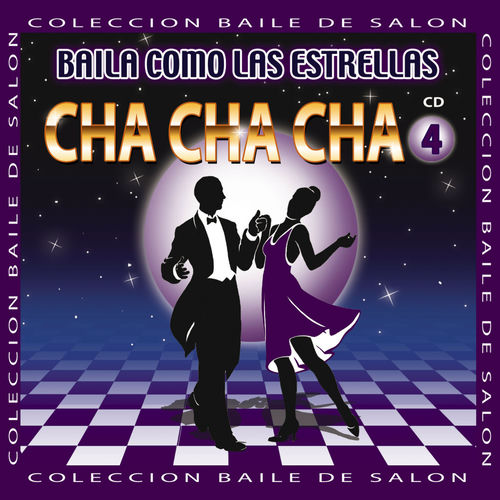
Orquesta América: The Cuban Danzón Innovators
Orquesta América is a legendary Cuban charanga ensemble, pivotal in the evolution of Latin dance music. Formed in Havana in 1942, the group is celebrated for its crucial role in developing and popularizing the cha-cha-chá rhythm, a genre that conquered global ballrooms.
Early career
Violinist and director Ninón Mondéjar founded Orquesta América in Havana, Cuba, in 1942. The band's classic charanga format featured violins, flute, piano, bass, timbales, güiro, and vocals, setting the stage for a new era in Cuban popular music.
Breakthrough
The orchestra's defining breakthrough came in the early 1950s under the musical direction of flutist and composer Enrique Jorrín. While signed to the Panart label, Jorrín, drawing from the danzón and the Cuban mambo, crystallized a new syncopated rhythm that became known worldwide as the cha-cha-chá.
Key tracks
La Engañadora — Widely cited as the first cha-cha-chá, this 1953 Jorrín composition introduced the catchy, danceable rhythm that defined a generation.
Silver Star — This instrumental track showcased the orchestra's sophisticated, melodic interplay between flute and violins, becoming a dance hall staple.
Nada para Ti — A classic example of the vocal cha-cha-chá, highlighting the genre's romantic lyrical style and accessible rhythm.
El Túnel — Another foundational Jorrín hit that helped cement the cha-cha-chá's popularity across Latin America and beyond.
Following the cha-cha-chá explosion, Orquesta América continued to record and perform for decades, maintaining its classic sound. The group released numerous albums on labels like Panart and later, EGREM, Cuba's state record company, preserving its legacy as an institution of Cuban music.
While specific chart data from its peak era is scarce, the cultural impact of Orquesta América is undeniable. Their recordings have been endlessly repackaged in anthologies, and their influence is heard in the work of countless salsa and Latin jazz artists who followed the path they helped pave.
Fans of Orquesta América's elegant, flute-driven sound should explore other seminal Cuban charangas. Orquesta Aragón is their timeless rival and peer, defining the charanga sound for over eight decades. Antonio Arcaño led the "Arcaño y sus Maravillas" orchestra, a direct precursor that pioneered the danzón-mambo. Fajardo y sus Estrellas continued the tradition of virtuosic flute-led charanga in the 1960s. Orquesta Original de Manzanillo represents a more modern, son-driven take on the classic charanga format.
The timeless recordings of Orquesta América remain in heavy rotation on dedicated Latin music radio stations, particularly those focusing on classic salsa, cha-cha-chá, and traditional Cuban genres. Their music is a fixture on online streams and FM stations celebrating the golden age of Afro-Cuban dance music.
Listeners can experience the foundational sound of Orquesta América on radio stations featured on onairium.com, where classic Latin rhythms are broadcast daily. Tune in to discover how this iconic Cuban ensemble helped shape the soundtrack of the 20th century dance floor.