Ottorino Respighi
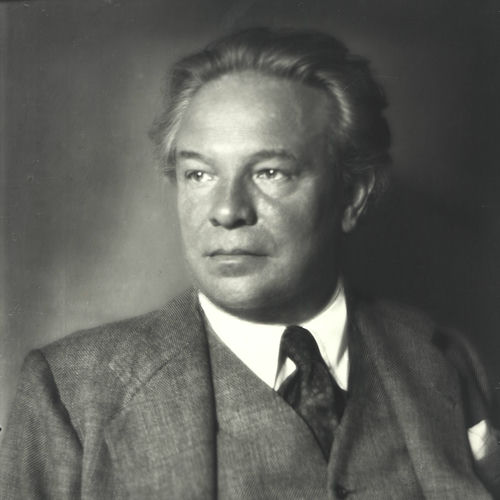
Ottorino Respighi: The Master of Italian Orchestral Tone Poetry
Ottorino Respighi was a pioneering Italian composer and musicologist who redefined orchestral color in the early 20th century. Hailing from Bologna, his greatest achievement lies in his Roman Trilogy, a series of symphonic poems that became global orchestral staples and continue to receive countless performances and recordings worldwide.
Early career
Born in Bologna in 1879, Respighi was trained as a violinist and composer, graduating from the city's prestigious Liceo Musicale in 1899. His early career involved performing, teaching, and composing in a post-Romantic style, with his first major opera, Re Enzo, premiering in 1905.
Breakthrough
Respighi's international breakthrough arrived with the 1917 premiere of Fountains of Rome. Published by the Italian firm Casa Ricordi, this vivid tone poem captivated audiences with its dazzling orchestration and pictorial brilliance, establishing his signature style and securing his position as a leading modern composer.
Key tracks
Fountains of Rome — This 1916 tone poem was his first major success, brilliantly depicting four Roman fountains at different times of day.
Pines of Rome — The 1924 sequel is famous for its grand climax and the innovative use of a recorded nightingale song.
Roman Festivals — Completing the trilogy in 1928, this is his most bombastic and demanding orchestral work.
Ancient Airs and Dances — This suite, arranged from Renaissance lute music, showcases his skill as a musicologist and neoclassicist.
The Birds — A charming 1927 suite based on Baroque music that humorously imitates various bird calls.
Following the trilogy, Respighi continued to compose operas, ballets, and instrumental works, including the Church Windows and Brazilian Impressions. He taught composition at the Conservatorio di Santa Cecilia in Rome, influencing a generation of Italian musicians until his death in 1936.
For listeners captivated by Respighi's lavish orchestral landscapes, explore similar Italian masters. Gian Francesco Malipiero shared his interest in early Italian music and modern orchestration. Alfredo Casella was a contemporary who also blended Italian lyricism with modern techniques. Goffredo Petrassi represents the next generation of Italian composers who built upon this foundation. Nino Rota later channeled a similar gift for vivid, cinematic melody in his film scores.
The powerful works of Ottorino Respighi are a fixture on classical radio stations, especially those dedicated to late Romantic and early 20th-century repertoire. His epic Roman tone poems are regularly featured in programming blocks highlighting orchestral showpieces and nationalistic music.
You can hear the spectacular orchestral music of Ottorino Respighi on dedicated classical stations featured right here on onairium.com, where listeners can discover his rich catalog through our curated radio streams.