Ougenweide
Ougenweide: Pioneers of German Medieval Folk Rock
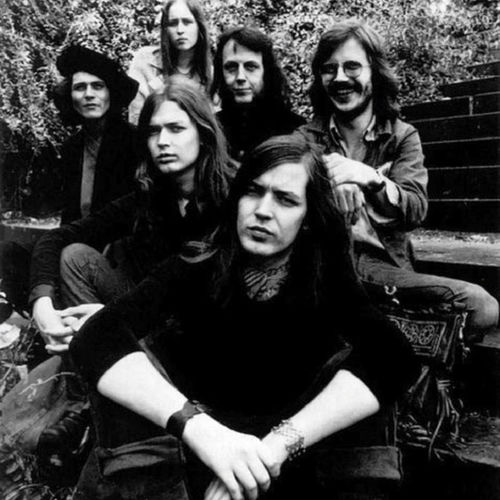
Ougenweide is a foundational German band that forged a unique path by blending traditional medieval music with progressive folk rock. Formed in Hamburg in 1970, the group is celebrated for its scholarly yet energetic reinterpretations of historical texts and melodies, establishing a lasting legacy in the European folk scene.
Early career
Ougenweide coalesced in 1970 from the vibrant Hamburg music scene, initially comprising Frank Wulff, Stefan Wulff, Wolfgang von Henko, and Brigitte Blunck. Their name, taken from a Middle High German poem by Neidhart von Reuental, signaled their deep dive into historical source material. They distinguished themselves by setting centuries-old German poems to original music played on a mix of electric instruments and authentic period instruments like lute, shawm, and crumhorn.
Breakthrough
The band's self-titled debut album Ougenweide in 1973 on the Bacillus label immediately defined their niche, but it was the subsequent releases that cemented their reputation. Their 1974 sophomore effort All die weil ich mag and 1976's Eulenspiegel showcased a refined, more rock-oriented approach, earning them a dedicated following and critical acclaim within the progressive and folk circuits, particularly for their intricate vocal harmonies and dynamic arrangements.
Key tracks
Merseburger Zauberspruch — This track from their debut album sets an actual 10th-century pagan charm to music, perfectly exemplifying their fusion of ancient text and modern folk-rock.
Wie schön blüht uns der Maien — A standout from All die weil ich mag, it highlights their signature complex vocal layering and driving rhythmic energy.
Eulenspiegels Lied — The title track from their 1976 album is a dynamic, narrative-driven piece that captures the trickster spirit of the folk tale with robust instrumentation.
Vaer ende vedh — This track demonstrates their reach beyond German tradition, incorporating Scandinavian melodic influences into their expansive sound.
After a period of hiatus in the 1980s, Ougenweide reunited in the late 1990s, returning to recording and performing with renewed vigor. They released new studio albums including Sol in 2005 and Herzog von Bayern in 2013, proving their timeless appeal and musical craftsmanship. Their influence is heard in generations of neofolk and medieval rock acts, and their catalog has been reissued multiple times, most notably by Sony Music's specialized edition label in 2006.
Fans of Ougenweide's historically-informed folk rock often appreciate the work of similar German acts. Subway To Sally blends medieval instrumentation with harder rock and metal elements. In Extremo delivers a more metallic and pyrotechnic take on medieval themes and melodies. Schandmaul continues the tradition of accessible, story-driven German folk rock with a modern production sheen.
Ougenweide's distinctive sound secures them regular rotation on specialized radio formats, including online folk music streams, European cultural radio stations, and independent music radio stations focusing on progressive and historical genres. Their albums are perennial favorites for programmers seeking authentic and inventive folk rock.
Listeners can explore the rich musical tapestry of Ougenweide on radio stations featured on onairium.com, where their pioneering blend of medieval poetry and folk-rock innovation continues to resonate with audiences today.