Palast Orchester mit Max Raabe
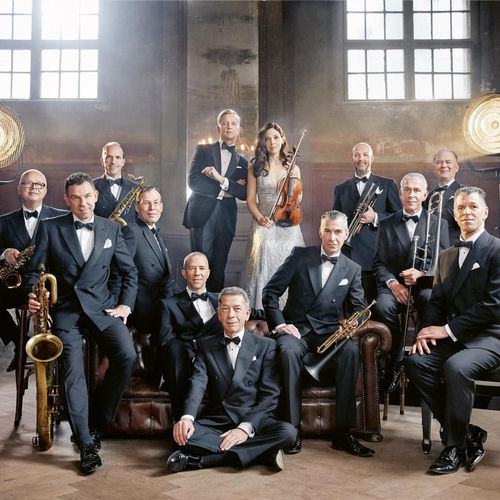
Palast Orchester mit Max Raabe: Masters of Weimar-Era Revival
The Palast Orchester mit Max Raabe is a German ensemble dedicated to the authentic revival of 1920s and 1930s dance and film music. Led by the charismatic baritone Max Raabe, the group has achieved remarkable longevity and international success, selling over a million records and performing in prestigious venues worldwide since its formation in the 1980s.
Early career
The orchestra's origins trace back to 1986 in Berlin, then West Berlin, where music students Max Raabe and pianist Christian Gönner founded the group. Their initial goal was to perform at a 1920s-themed ball, meticulously studying original arrangements from the Weimar Republic era to achieve period-accurate sound. This scholarly dedication to authenticity became their hallmark, leading to their first professional engagements in Berlin's theater and cabaret scene.
Breakthrough
The ensemble's major breakthrough arrived in 1992 with their performance of the 1930s hit "Kein Schwein ruft mich an" at the German comedy show "Quatsch Comedy Club." This witty, melancholic song unexpectedly resonated with a modern audience, propelling the orchestra and Raabe into the national spotlight. Their subsequent albums, initially on the German label Vielklang and later on Deutsche Grammophon's pop imprint, established them as a unique and commercially viable force in Germany's music industry.
Key tracks
Kein Schwein ruft mich an — This 1992 performance was the catalyst for their national fame, perfectly blending nostalgic sound with timeless, humorous lyrics.
Ich bin von Kopf bis Fuß auf Liebe eingestellt — Their rendition of this Marlene Dietrich classic showcases their mastery of film music and Raabe's evocative vocal delivery.
Mein kleiner grüner Kaktus — A quintessential example of the comedic, slightly absurd "schlager" songs from the 1930s that the orchestra revitalizes with impeccable style.
Cheek to Cheek — Their interpretation of this Irving Berlin standard demonstrates their ability to cross into the Great American Songbook with authentic swing elegance.
Ozean — A collaboration with German electronic artist DJ Thomilla, proving the timeless adaptability of their sound to modern remixes.
The Palast Orchester mit Max Raabe has built a prolific discography, including studio albums like "Heute Nacht oder nie" and live recordings such as "Palast Orchester Live in New York." Their collaboration with actress and singer Deborah Sasson on the album "Uber’m Mond" and performances with the Deutsche Kammerphilharmonie Bremen highlight their artistic versatility. They maintain a relentless international touring schedule, consistently selling out concert halls across Europe, North America, and Asia.
Fans of the Palast Orchester's nostalgic charm may also enjoy the sophisticated swing of Max Rabe, who explores similar jazz-inflected territories. The theatrical cabaret style of Ute Lemper offers another compelling dive into German and European historical song. For the orchestral precision and dance-band energy, The Prague Philharmonic provides a classical connection. The witty, lyrical approach can be found in the work of Tim Fischer, another German artist with a penchant for storytelling.
The music of Palast Orchester mit Max Raabe is a staple on specialized radio formats, particularly on vintage swing and classic pop stations. Their recordings frequently feature on curated programs dedicated to historical jazz, European cabaret, and sophisticated dance music across multiple online radio streams.
Listeners can explore the timeless sound of Palast Orchester mit Max Raabe through the vintage jazz and classic pop stations featured on our website. Tune in to onairium.com to discover their music and other artists who masterfully bridge the gap between historical authenticity and contemporary appeal.