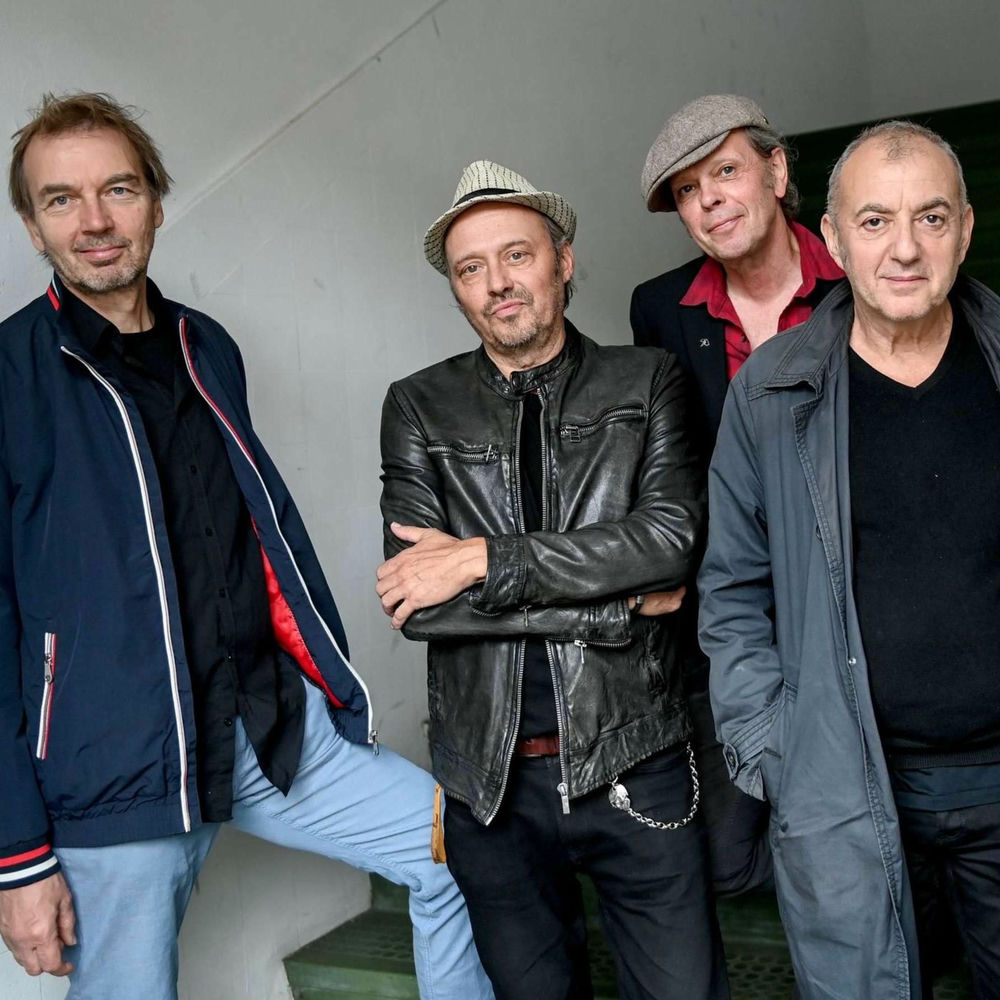
Pankow
Type: Group
 Cabo Verde
Cabo Verde
Listen on radio stations:

Pankow: The Provocateurs of East German New Wave
Pankow is a German rock band that emerged from the underground music scene of East Berlin in the early 1980s. Known for their sharp, socially critical lyrics and energetic new wave sound, they became one of the most significant and controversial groups from the German Democratic Republic.
Early career
The band was formed in 1981 in East Berlin, naming themselves after the city's Pankow district, which was also home to many government officials. From the outset, their music was a blend of rock, punk, and the burgeoning Neue Deutsche Welle, characterized by a raw, direct style and lyrics that often challenged the status quo. Their early performances quickly garnered a dedicated following, positioning them as a distinct voice within the constrained cultural landscape of the GDR.
Breakthrough
Pankow's breakthrough came with their debut album, Kille Kille, released in 1982 on the state-owned Amiga label. The album's provocative title track and its critical, often satirical examination of everyday life in East Germany resonated powerfully with a youth audience seeking authenticity. While official chart success in the Western sense was not applicable, the album achieved substantial cultural impact and high sales within the GDR, cementing their reputation.
Key tracks
Kille Kille - The title track of their debut became an anthem, its catchy rhythm belying lyrics that critiqued social alienation and bureaucracy.
Langeweile - This track encapsulated the feeling of stagnation and boredom, themes that deeply connected with East German youth.
Inge Pawelczik - A character-driven song that showcased the band's knack for storytelling and pointed social observation.
Warten - Meaning "Waiting," this song perfectly captured the pervasive sense of anticipation and frustration of the era.
Despite operating within a restrictive system, Pankow managed to tour both within the Eastern Bloc and, notably, in West Germany, broadening their audience. Their follow-up albums, including Freiheit ist... (1984) and Aufruhr in den Augen (1988), continued to develop their sound, incorporating more complex arrangements while maintaining their critical edge. The band navigated the delicate balance between artistic expression and state oversight, often using metaphor and irony to convey their messages.
Following German reunification, Pankow continued to record and perform, adapting to the new musical landscape while retaining their core identity. Their later work reflects on the changed world around them, often with the same insightful wit that defined their early years. The original lineup underwent changes, but the band's legacy as pioneers of East German rock remains firmly intact.
Fans of Pankow's distinctive blend of German-language rock and new wave may also appreciate the work of Die Ärzte, who brought a similarly energetic and satirical punk spirit from West Berlin. Die Toten Hosen share a commitment to socially conscious lyrics within a punk rock framework. The earlier influential sound of Ton Steine Scherben provided a blueprint for politically charged German rock.
The music of Pankow remains a vital document of its time and continues to be discovered by new listeners interested in the history of German rock and the unique cultural output of East Germany. Their songs offer a powerful, guitar-driven snapshot of a society on the brink of monumental change.
Similar artists