Paul Clayton
Paul Clayton: The Folk Revival's Unsung Balladeer
Paul Clayton was an American folk singer, collector, and songwriter who played a vital role in the folk music revival of the 1950s and 60s. Hailing from New Bedford, Massachusetts, his most enduring legacy is his extensive catalog of traditional folk recordings and his indirect contribution to one of rock's most famous anthems.
Early career
Born in 1931, Paul Clayton Worthington immersed himself in folk music while studying at the University of Virginia. He began his career not just as a performer but as a field collector, recording traditional singers in the Appalachian region. His first major release was the 1956 album Bloody Ballads on the Folkways label, a collection of grim traditional songs that established his scholarly yet compelling style.
Breakthrough
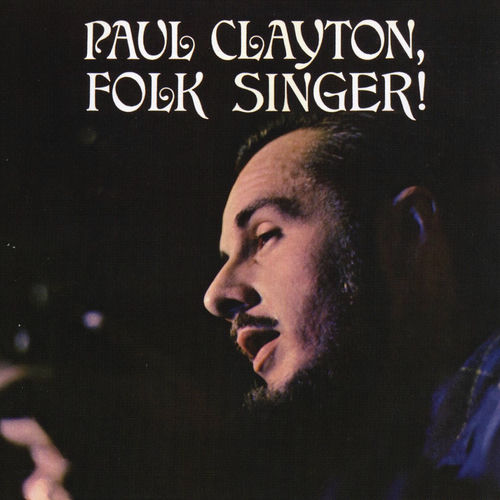
Clayton's prolific output and deep knowledge made him a respected figure in the Greenwich Village folk scene by the early 1960s. His 1961 album, Folk Singer, released on Riverside Records, featured his rich baritone and intricate guitar work and is considered a high point of the era's traditional folk recordings. While he never achieved major commercial chart success himself, his work became a key resource for other artists.
Key tracks
Gotta Travel On — Clayton's 1959 adaptation of this folk song became his biggest commercial success, selling over one million copies and earning a gold record.
Who's Gonna Buy Your Ribbons — This traditional song was a staple of his live performances, showcasing his emotive vocal delivery and connection to the source material.
The Wind and the Rain — A haunting Child Ballad from his Bloody Ballads album that exemplified his dedication to preserving darker folk narratives.
Take This Hammer — Clayton's powerful rendition of this prison work song influenced many contemporaries in the folk scene.
Paul Clayton's most famous contribution to popular music is the melody for his song "Who's Gonna Buy Your Ribbons," which he adapted from the traditional "The Twelve Counsels." Bob Dylan used a similar melodic structure for his 1965 classic "Don't Think Twice, It's All Right." While this led to an out-of-court settlement, it cemented Clayton's place as a foundational source for the folk rock movement. He continued recording for labels like Elektra and Monument until his tragic death in 1967.
Fans of Paul Clayton's authentic, tradition-rooted American folk style should also explore the work of Dave Van Ronk. Known as the "Mayor of MacDougal Street," his gruff vocals and intricate guitar arrangements defined the Greenwich Village sound. Listen to the poignant storytelling of Jean Ritchie. The Kentucky-born singer was a direct link to Appalachian balladry, much like Clayton in her role as a cultural preservationist. The early work of Bob Dylan shares clear stylistic parallels, particularly in the way both artists mined traditional folk and blues for their early material. For another scholarly approach to folk music, seek out John Jacob Niles. His high tenor and collection of traditional songs made him another key archivist-performer of the era.Paul Clayton's music remains a staple on dedicated folk channels and classic singer-songwriter streams across our network. His recordings are regularly featured on stations specializing in traditional American music and historical folk revival programming.
You can hear the timeless folk music of Paul Clayton on the radio stations featured right here on onairium.com. Tune in to our curated folk and classic rock stations to discover his influential catalog and the artists he inspired.