
Paul Winter: The Pioneering Spirit of Earth Music
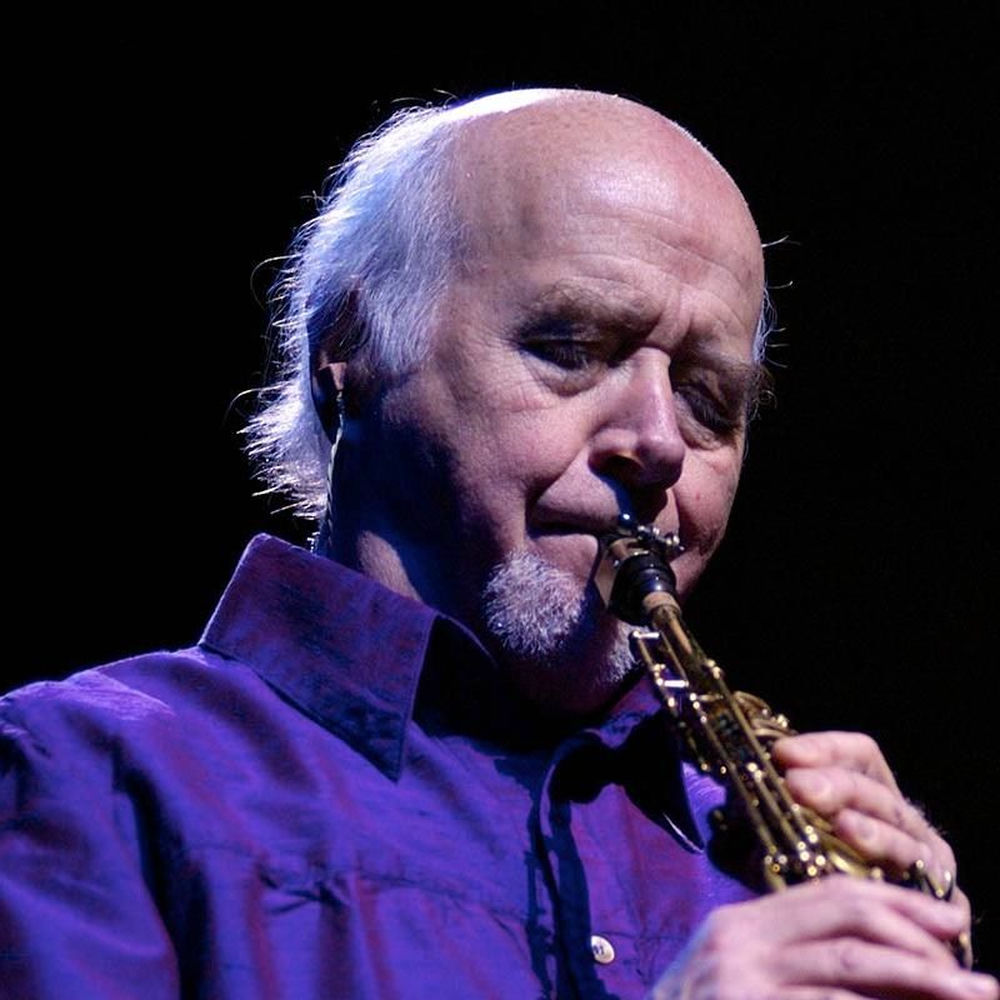
Paul Winter is an American saxophonist, bandleader, and composer whose career is defined by a unique fusion of jazz, classical, and world music with the sounds of the natural world. Hailing from Altoona, Pennsylvania, his major achievement is not chart dominance but a profound and enduring influence, having won seven Grammy Awards for his innovative "earth music" projects.
Early career
Born in 1939, Paul Winter's professional journey began with his jazz sextet winning a collegiate competition in 1961, which led to a State Department tour of Latin America. This early exposure to diverse musical landscapes was formative. His first major label album, The Paul Winter Sextet, was released on Columbia Records in 1962, showcasing a sophisticated cool jazz style.
Breakthrough
Winter's artistic breakthrough came with a pivotal shift in the early 1970s. Moving to a farm in Connecticut, he began incorporating environmental sounds into his compositions. This led to the 1977 album Common Ground, a collaborative work with cellist David Darling and organist Paul Halley that is often cited as a foundational album for the new age and ambient genres, establishing his signature sound.
Key tracks
Icarus — This 1972 track, composed by Ralph Towner for the Paul Winter Consort, became an underground classic and a staple of the group's live performances for decades.
Missa Gaia/Earth Mass — This monumental 1982 work blends wolf howls, whale songs, and a full orchestra, epitomizing Winter's vision of a musical celebration of the earth.
Sun Singer — A vibrant and melodic piece from the 1986 album Canyon, it highlights Winter's soprano saxophone in dialogue with the echoes of the Grand Canyon.
Wolf Eyes — A hauntingly beautiful composition that directly features the calls of wolves, showcasing the core ethos of interspecies music.
Common Ground — The title track from his 1977 breakthrough album is a serene blend of saxophone, cello, and organ that defined a new musical path.
In 1980, Paul Winter founded Living Music Records, an independent label that gave him complete artistic freedom. This allowed for ambitious projects like the annual Winter Solstice celebrations at New York's Cathedral of St. John the Divine, which began in 1980 and became a beloved institution. His 1990 album Earth: Voices of a Planet and the subsequent 1994 album Prayer for the Wild Things further cemented his role as an ecological musician.
Artists exploring similar territories of instrumental fusion and atmospheric sound include Oregon, who also blend jazz with world music in an acoustic ensemble format. The introspective soundscapes of George Winston share the contemplative, nature-inspired quality of Winter's work. For a more jazz-centric approach to world fusion, listeners can explore Pat Metheny. The ambient and electronic explorations of Brian Eno offer a different but parallel path to creating immersive environmental music.
Paul Winter's distinctive catalog is a staple on many specialty radio formats, including new age music stations, environmental and acoustic music streams, and public radio programs dedicated to eclectic instrumental works. His Grammy-winning albums and consistent output ensure his music maintains a steady presence on the airwaves for listeners seeking a sonic connection to the natural world.
You can hear the pioneering earth music of Paul Winter on radio stations featured right here on onairium.com. Explore our curated selection of stations to discover his timeless recordings and experience the soundscape of an artist who has spent a lifetime composing with the planet.