Pérez Prado and His Orchestra: The King of Mambo
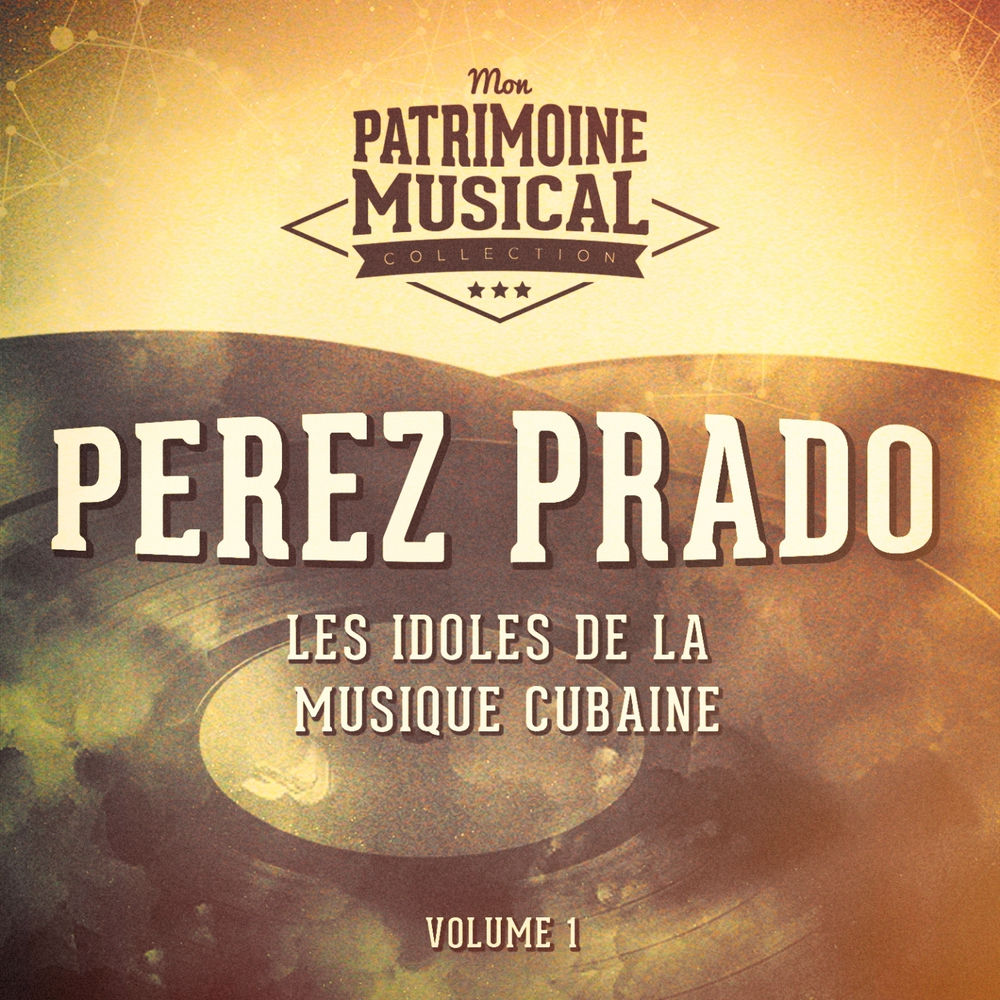
Pérez Prado was a Cuban bandleader, composer, and arranger who became a global sensation by defining the mambo genre. His orchestra's 1955 instrumental hit Cherry Pink and Apple Blossom White spent ten weeks at number one on the Billboard Hot 100, cementing his international fame and selling millions of records worldwide.
Early career
Born in Matanzas, Cuba in 1916, Dámaso Pérez Prado began his musical career as a pianist and arranger for popular Cuban orchestras like Casino de la Playa. He moved to Mexico City in 1948, a strategic move that provided a larger platform, where he formed his own orchestra and began refining his signature sound.
His early recordings for the RCA Victor label in Mexico, such as Mambo No. 5 and Que Rico el Mambo, laid the groundwork. These tracks blended Afro-Cuban rhythms with powerful brass sections and his own trademark grunts, creating a new, energetic dance music.
Breakthrough
The international breakthrough for Pérez Prado arrived in 1955 with the film theme Cherry Pink and Apple Blossom White. Released as a single on RCA Victor, the song became a massive crossover hit, topping charts in the U.S. and the United Kingdom.
This success was followed by another number one hit in 1958 with Patricia, which further solidified his status. The album Voodoo Suite from 1955 also demonstrated his ambitions beyond dance floors, showcasing extended compositional work.
Key tracks
Mambo No. 5 — This 1949 composition became an early anthem for the genre and a perennial favorite in his live performances.
Cherry Pink and Apple Blossom White — The instrumental that catapulted Prado to global stardom and remains his best-known recording.
Patricia — This 1958 chart-topper exemplified his knack for crafting catchy, rhythmically driving instrumentals.
Guaglione — A later hit that gained renewed popularity in the 1990s after being featured in a major advertising campaign.
Mambo Jambo — A quintessential example of his early, raw mambo style that ignited dance halls.
Throughout the late 1950s and 1960s, Pérez Prado and His Orchestra toured extensively and recorded prolifically for RCA Victor. He continued to experiment, incorporating elements of rock and roll and other styles on albums like Rockambo, though he always returned to the mambo foundation.
His influence extended through collaborations and the work of musicians he nurtured. While specific certifications for his era are less documented, the enduring popularity of his music on compilation albums and in films attests to his lasting impact.
For fans of the energetic, brass-driven mambo sound of Pérez Prado, our station network also features music from similar artists. Explore Tito Puente, another titan of Latin music who mastered the timbales. Discover Benny Moré, the legendary Cuban singer known for his flawless musicality. Listen to Machito, whose Afro-Cubans orchestra was pivotal in fusing jazz and Cuban rhythms. The sophisticated arrangements of Xavier Cugat also brought Latin music to a wide American audience.
The vibrant mambo and Latin jazz of Pérez Prado and His Orchestra maintains a steady rotation on our dedicated classic hits and international music radio stations. His timeless instrumentals are staples on formats celebrating the golden age of dance music and mid-century pop culture.
You can experience the electrifying sound of Pérez Prado and His Orchestra by tuning into the radio stations featured on onairium.com, where his music continues to inspire new generations of listeners and dancers.