Pete Bardens
Pete Bardens: The Psychedelic and Progressive Rock Keyboard Pioneer
Pete Bardens was a visionary English keyboardist and composer best known as a founding member of the seminal rock band Camel. Hailing from London, his greatest achievement was defining the atmospheric sound of progressive rock in the 1970s through his work with Camel, which produced several acclaimed albums that remain staples of the genre.
Early career
Born in 1944, Peter Bardens began his musical journey in the early 1960s London R&B scene. His first notable group was The Cheynes, which featured a young guitarist named Peter Green, followed by a stint in the band Them alongside Van Morrison.
Bardens formed his own psychedelic outfit, The Pete Bardens Band, releasing the album "The Answer" in 1970. This period solidified his reputation for lush, organ-driven soundscapes and led to session work for artists like Rod Stewart.
Breakthrough
Pete Bardens' breakthrough came in 1971 when he co-founded the progressive rock band Camel with guitarist Andrew Latimer. Their self-titled debut album arrived in 1973 on the MCA label, but it was their 1974 concept album "Mirage" on Deram Records that became a critical and commercial landmark.
The album "Mirage" and its 1975 follow-up "The Snow Goose," an instrumental suite based on a Paul Gallico story, propelled Camel to major success in the UK and Europe. These works are consistently ranked among the essential progressive rock albums of the decade.
Key tracks
Lady Fantasy — This epic closing track from "Mirage" showcases Bardens' sweeping keyboard solos and remains a definitive Camel anthem.
Rhayader — From "The Snow Goose," this piece highlights Bardens' ability to create evocative, cinematic moods with his Hammond organ and Mellotron.
Slow Yourself Down — A powerful opener from the debut "Camel" album that established the band's dynamic interplay, driven by Bardens' aggressive organ riffs.
Heartbreak Hill — A standout from his 1977 solo album of the same name, demonstrating his skill in blending rock with soul and jazz influences.
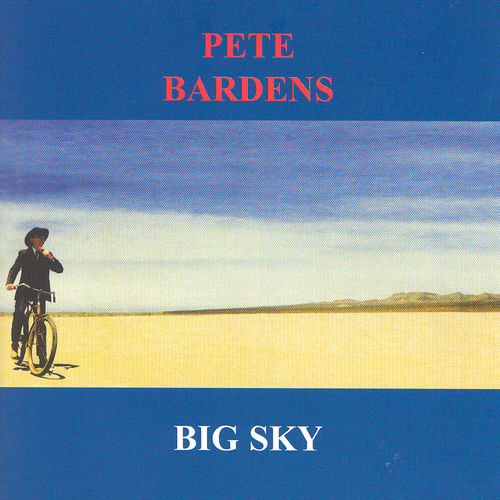
After leaving Camel in 1978, Pete Bardens embarked on a solo career and prolific session work. He released several solo albums including "Seen One Earth" and "Big Sky," and collaborated with artists like Mick Fleetwood's The Zoo and Keef Hartley.
In the 1990s, Bardens found renewed success in the United States with the band Mirage and by contributing to the Los Angeles music scene. His final studio album with Camel was "Harbour of Tears" in 1996, before his passing in 2002.
Fans of Pete Bardens' keyboard-forward style and melodic progressive rock should also explore Mike Oldfield for similar instrumental virtuosity and composition. Caravan shares the English progressive tradition with a jazzier inflection. The atmospheric qualities in Bardens' work can be heard in Pink Floyd, particularly in their early psychedelic period. Listeners may also appreciate the intricate arrangements of Steve Hackett, the former Genesis guitarist.
Pete Bardens' influential catalog maintains a steady presence on classic rock FM stations and dedicated progressive rock radio streams. His work with Camel is a fixture on playlists that celebrate the artistry of 1970s rock, ensuring his sonic legacy continues to reach new audiences.
The music of Pete Bardens, from his pioneering work with Camel to his solo explorations, can be heard on radio stations featured on our website. Listeners can discover this foundational figure of progressive rock through the variety of classic and alternative rock radio stations available on onairium.com.