Peter Murphy
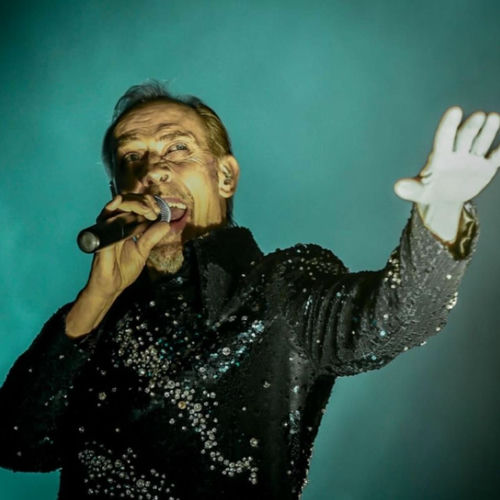
Peter Murphy: The Pioneering Voice of Gothic Rock
Peter Murphy is the iconic English vocalist and songwriter best known as the frontman of the pioneering post-punk band Bauhaus. Hailing from Northampton, England, Murphy's deep baritone and theatrical stage presence became a defining element of the gothic rock genre. His career, both with Bauhaus and as a successful solo artist, has solidified his status as a cult icon with a dedicated global following.
Early career
Born in 1957, Peter Murphy's musical journey began in the late 1970s in Northampton. In 1978, he joined forces with guitarist Daniel Ash, bassist David J, and drummer Kevin Haskins to form Bauhaus. The band's stark, atmospheric sound, anchored by Murphy's dramatic vocals, quickly set them apart from their post-punk contemporaries. Their debut single, Bela Lugosi's Dead, released on the Small Wonder label in 1979, is widely considered the seminal record that launched the gothic rock movement.
Breakthrough
Bauhaus achieved its commercial breakthrough with their third studio album, The Sky's Gone Out, which reached No. 4 on the UK Albums Chart in 1982. This success was propelled by their cover of David Bowie's Ziggy Stardust, which became a UK Top 20 hit. Following the band's initial dissolution in 1983, Murphy embarked on a solo career, signing with Beggars Banquet and later RCA, where he would achieve his most significant chart success.
Key tracks
Bela Lugosi's Dead — This nearly ten-minute debut single is the foundational track of gothic rock, establishing the genre's dark, minimalist aesthetic.
Cuts You Up — Murphy's biggest solo hit, this song from 1990's Deep album spent eight weeks at No. 1 on the Billboard Modern Rock Tracks chart.
All Night Long — The lead single from 1988's Love Hysteria, this track marked Murphy's successful transition into a more accessible, alternative rock-influenced solo sound.
Silent Hedges — A quintessential Bauhaus album track showcasing the band's tight, driving rhythms and Murphy's commanding vocal range.
Indigo Eyes — A sophisticated pop single from the Deep album that demonstrated Murphy's ability to craft radio-friendly songs without sacrificing his distinctive style.
Murphy's solo career flourished in the late 1980s and early 1990s, with albums like Deep (1989) achieving gold certification in the United States. He has also engaged in notable collaborations, including the project Dali's Car with Japan's bassist Mick Karn. Despite periodic Bauhaus reunions for tours and the 2008 album Go Away White, Murphy has consistently released solo material, including 2014's Lion and 2021's The Last and Only Star, proving his enduring creative vitality.
Fans of Peter Murphy's dramatic baritone and atmospheric rock may also appreciate the work of The Cure, who similarly evolved from post-punk into gothic and alternative rock giants. Sisters Of Mercy offer a more mechanized, driving take on the gothic rock blueprint. The dark romanticism of Siouxsie And The Banshees shares clear musical DNA with Murphy's early work. For a contemporary take on the style, explore She Wants Revenge, a duo heavily influenced by the minimalist post-punk of early Bauhaus.
Peter Murphy's influential catalog remains a staple on alternative rock radio stations and dedicated gothic music programs. His songs are regularly featured on online rock radio streams and independent music radio stations that celebrate the history and evolution of post-punk and darkwave music.
Listeners can explore the profound legacy of Peter Murphy, from Bauhaus to his solo work, through the radio stations featured on our website. Tune in to onairium.com to discover stations that regularly play the pioneering gothic rock of this iconic artist.