





Philip Glass: The Pioneering Voice of American Minimalism
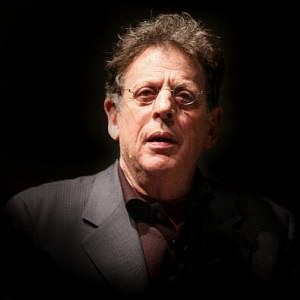
Philip Glass is an American composer whose expansive body of work has redefined contemporary classical and operatic music. Born in Baltimore in 1937, Glass is a central figure in the minimalist movement, known for his repetitive structures and hypnotic rhythmic patterns. His achievement lies not in conventional pop chart success but in a profound influence across genres, with operas like "Einstein on the Beach" and film scores such as "Koyaanisqatsi" achieving iconic status.
Early Career
After studying at the University of Chicago and the Juilliard School, Philip Glass traveled to Paris in the 1960s to work with renowned composition teacher Nadia Boulanger. It was during this period in Europe that he encountered the music of Indian sitarist Ravi Shankar, an experience that fundamentally shifted his approach to rhythm and structure. Returning to New York, he formed the Philip Glass Ensemble in 1971, performing in lofts and art galleries, and began developing his signature style of additive process and cyclic repetition.
Breakthrough
Glass's breakthrough into wider public consciousness came with the 1976 premiere of "Einstein on the Beach," a monumental opera created in collaboration with director Robert Wilson. This five-hour work, devoid of traditional narrative, became a landmark in 20th-century music and established Glass's reputation beyond the downtown avant-garde scene. While not a commercial chart hit, the opera's success led to a recording contract with CBS Records, bringing his minimalist compositions to a broader audience.
Key Tracks
Koyaanisqatsi - The title piece from his 1982 film collaboration with Godfrey Reggio, this work showcases Glass's ability to build immense orchestral landscapes from simple, evolving motifs.
Metamorphosis - Originally for solo piano, this piece exemplifies Glass's introspective and lyrical side, becoming one of his most frequently performed and recorded compositions.
Pruit Igoe - Another pivotal track from the "Koyaanisqatsi" soundtrack, its driving, ominous rhythm perfectly underscores the film's themes of societal decay.
Glassworks - Opening - The accessible first movement from his 1982 album "Glassworks," deliberately crafted to introduce his music to a wider listenership through a more intimate, chamber music sound.
The 1980s and 1990s saw Philip Glass's output diversify dramatically, including a celebrated trilogy of portrait operas-"Einstein on the Beach," "Satyagraha" (about Gandhi), and "Akhnaten"-which solidified his standing in the opera world. He also became a sought-after film composer, with scores for "The Hours," "The Truman Show," and "Candyman" earning him Academy Award nominations and introducing his music to millions. His prolific catalog extends to symphonies, concertos, and string quartets, maintaining a rigorous touring schedule with his ensemble well into the 21st century.
Listeners who appreciate the work of Philip Glass often explore other composers in the minimalist and modern classical realms. The repetitive, process-driven music of Steve Reich shares a foundational approach with Glass's early work. The expansive, tonal landscapes of John Adams represent another branch of American minimalism. For a European perspective on repetitive structures, the compositions of Arvo Pärt offer a deeply spiritual counterpart. The intricate pattern-based work of Terry Riley, a pioneer of the genre, provides essential historical context.