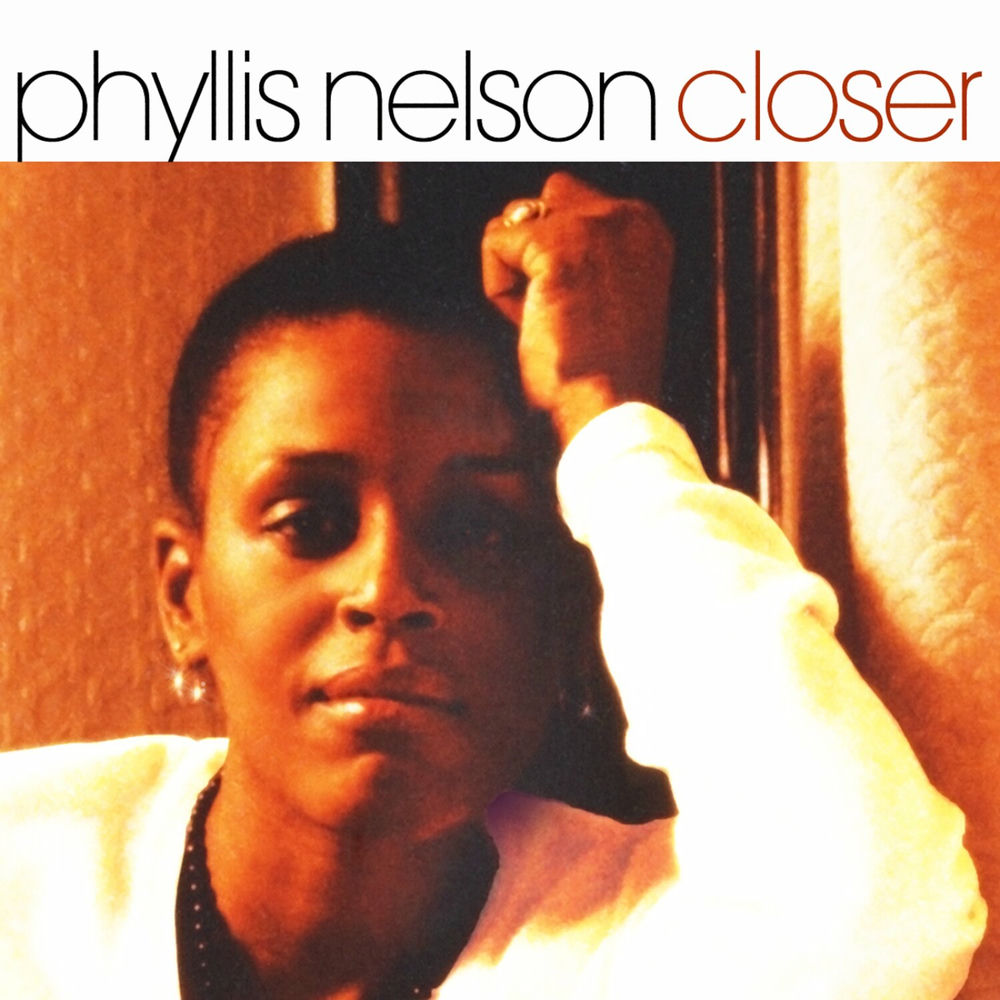
Phyllis Nelson
 United States
Listen Phyllis Nelson on radio stations:


Phyllis Nelson: The Soulful Voice Behind a Dance Anthem
Phyllis Nelson was an American singer-songwriter whose career in soul and dance music is defined by one monumental international hit. While her output was limited, her signature song became a staple of 1980s dance floors and has endured as a classic in the Hi-NRG and R&B genres.
Early Career
Details about Phyllis Nelson's early life and career beginnings are sparse in available records. She emerged as a professional singer and songwriter in the late 1970s and early 1980s, operating within the club-oriented R&B and dance music scenes. Her initial work likely involved session singing or songwriting before she stepped into the spotlight as a solo artist.
Breakthrough
Phyllis Nelson's breakthrough arrived in 1984 with the single "Move Closer." Released on the independent record label Emergency Records in the United States, the song was a masterful blend of pop soul sentiment and a driving, synth-heavy Hi-NRG beat. It became a slow-burning smash, eventually climbing to number one on the UK Singles Chart in early 1985 and achieving significant success across European dance charts.
Key Tracks
Move Closer - This timeless dance ballad is Nelson's defining achievement, a UK number-one hit that perfectly fused soulful vocals with an infectious Hi-NRG rhythm.
Don't Stop the Train - Released as a follow-up single, this track continued in the upbeat, dance-pop vein, capitalizing on the momentum of her hit.
I Like You - Another single from the same era, it showcased her consistent style within the contemporary R&B and dance-pop landscape.
The success of "Move Closer" led to the release of her only known album, also titled Move Closer, in 1985. The album compiled the single with other tracks that explored similar themes of love and relationships set against danceable backdrops. Despite the massive popularity of her hit, Phyllis Nelson did not release further major commercial recordings, and she remains a revered figure for that one iconic song.
Artists with a similar sound from the same era include Evelyn King, who also bridged soul and disco-infused dance music. Jocelyn Brown shares the powerful vocal style and connection to foundational dance records. The Hi-NRG energy of her hit finds a parallel in the work of Dead Or Alive, though with a more pronounced pop soul core.