Pino Donaggio
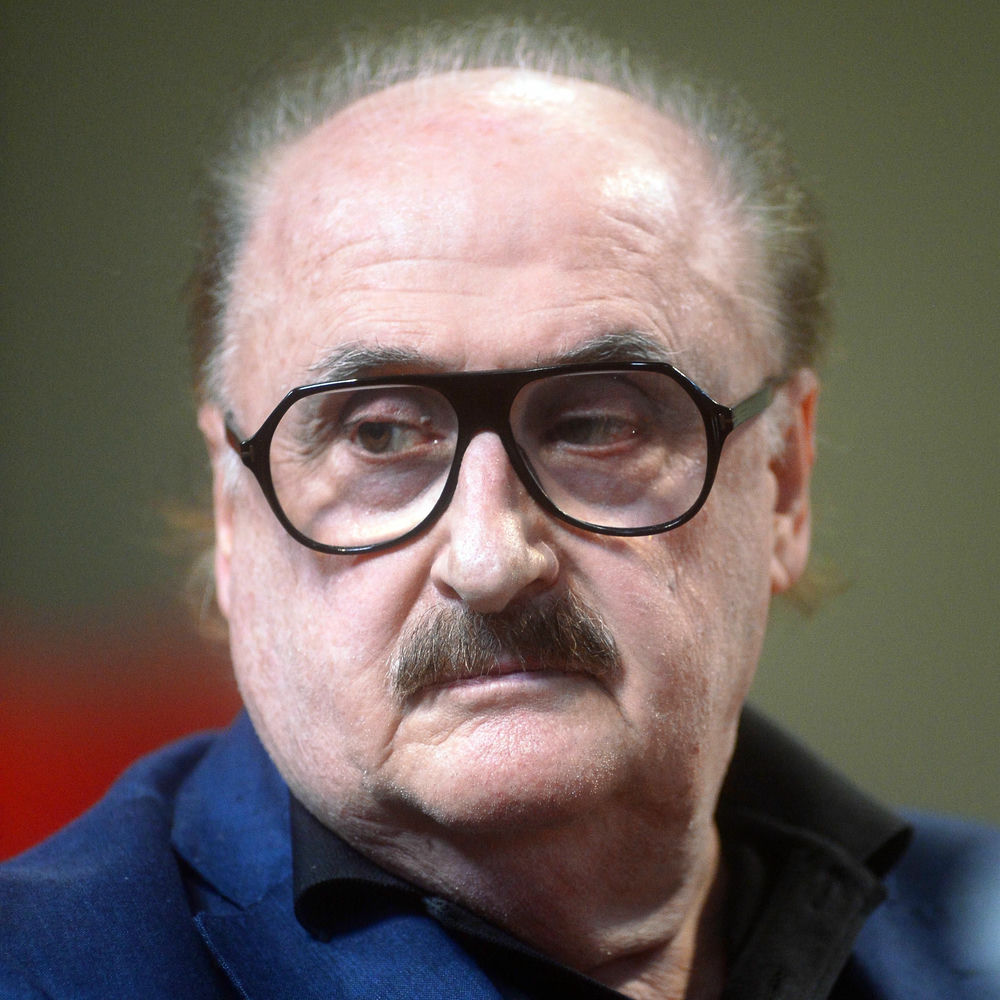
Pino Donaggio: The Maestro of Italian Pop and Film Music
Pino Donaggio is an Italian composer, singer, and musician whose career spans the vibrant worlds of pop music and cinematic scoring. Hailing from Venice, he first achieved international fame as a pop singer in the 1960s before cementing his legacy as a prolific and influential composer for horror and thriller films, most notably through his long-standing collaboration with director Brian De Palma.
Early career
Born Giuseppe Donaggio in 1941 in Burano, Venice, his musical talent was evident early. He began studying violin at the Conservatory of Venice before shifting his focus to popular songwriting and performance. His recording career launched in the late 1950s, and by 1961 he had signed with the Italian label Combo Record, setting the stage for his initial success.
Breakthrough
Donaggio's breakthrough arrived in 1965 with the melancholic ballad "Io che non vivo (senza te)." The song became a massive hit across Europe, establishing him as a major Italian pop star. Its success was solidified when Dusty Springfield recorded the English-language version "You Don't Have to Say You Love Me," which reached number one on the UK Singles Chart in 1966, bringing Donaggio's composition to a global audience.
Key tracks
Io che non vivo (senza te) — This 1965 ballad was his signature pop hit and the foundation for his international songwriting recognition.
Come sinfonia — An earlier hit from 1960, this song demonstrated his knack for melodic, orchestrated pop that would define his later film work.
La ragazza dal pigiama giallo — The title theme for the 1977 giallo film marked his successful pivot into composing full, suspenseful cinematic scores.
Dressed to Kill — His 1980 score for Brian De Palma's thriller perfected the blend of elegant melody and unsettling tension that became his cinematic trademark.
Cinematic maestro
In the 1970s, Donaggio's career dramatically pivoted toward film scoring after director Nicolas Roeg invited him to compose for "Don't Look Now" (1973). This led to his defining partnership with Brian De Palma, beginning with "Carrie" (1976). He scored numerous De Palma films including "Dressed to Kill," "Blow Out," and "Body Double," creating sophisticated, Hitchcockian music that elevated psychological thrillers. Beyond De Palma, he became a sought-after composer for horror and giallo films, working with directors like Joe Dante on "The Howling" and Lucio Fulci on "The New York Ripper."
Despite his film success, Donaggio never fully abandoned his pop roots, occasionally releasing albums and writing for other artists. His dual legacy in Italian pop and international film music is unique, showcasing his versatile mastery of melody across two distinct entertainment spheres. His film scores, often released on labels like Cinevox and Varese Sarabande, remain highly collectible.
For fans of lush, melodic Italian pop songcraft, explore the work of Mina, a commanding vocalist who also dominated the 1960s Italian charts. The cinematic scope of Donaggio's music finds a parallel in Ennio Morricone, another Italian composer who defined an era of film sound. Listeners appreciating Donaggio's earlier romantic ballads should discover Bobby Solo, a key figure in the same generation of Italian pop.
Pino Donaggio's rich catalog of pop classics and iconic film scores maintains a strong presence on radio. His music is featured on dedicated film score programs, classic Italian pop hours, and specialty shows on independent music radio stations that celebrate sophisticated composition across genres.
The music of Pino Donaggio, from timeless Italian pop to suspenseful film themes, is regularly featured on radio stations available through our network. Listeners can discover the full range of this maestro's work by tuning into the curated stations featured on onairium.com.