Plastic Tree
Listen Plastic Tree on radio stations:
Plastic Tree: The Ethereal Sound of Japanese Alternative Rock
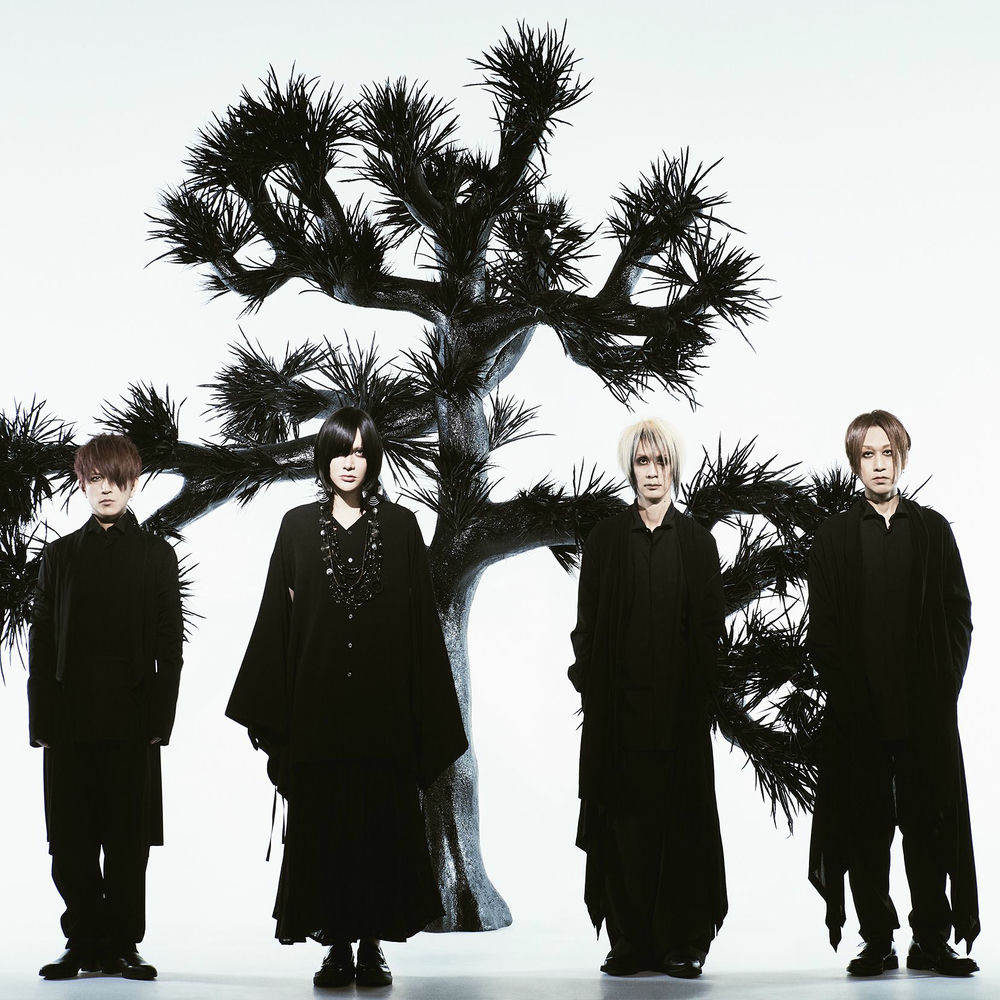
Plastic Tree is a Japanese alternative rock band known for their melancholic and atmospheric soundscapes. Formed in Chiba in 1993, the group has maintained a dedicated following for decades through their prolific album output and distinctive visual kei-inspired aesthetic.
Early career
The band was founded by vocalist Ryutaro Arimura and guitarist Akira Nakayama, later solidifying their classic lineup with bassist Tadashi Hasegawa and drummer Kenken Sato. Plastic Tree emerged from the vibrant visual kei scene of the mid-1990s, a movement characterized by androgynous fashion and theatrical performances. Their early independent releases, like the 1995 demo "Sink," established their signature blend of melodic rock with introspective, often somber lyrics.
Breakthrough
Plastic Tree's major-label debut came with the 1998 album "Puppet Show" on the label Polydor. While achieving mainstream chart success proved elusive, the band cultivated a strong, loyal fanbase through consistent touring and a steady stream of releases. Their 2000 single "Sink" and the 2002 album "Träumerei" are often cited as key works that defined their mature sound, leading to performances at large-scale domestic rock festivals.
Key tracks
Melancholic - This 2003 single exemplifies the band's ability to craft beautifully haunting melodies that became a cornerstone of their discography.
Tekesuta kōru - A later track showcasing their evolving sound, incorporating elements of post-punk and new wave into their established rock framework.
Ghost - A fan favorite that highlights Ryutaro Arimura's distinctive, whisper-to-scream vocal delivery and the band's dynamic songwriting.
Throughout the 2000s and 2010s, Plastic Tree continued to release albums regularly on labels like Warner Music Japan and Avex Trax, including "Utsusemi" and "Nega to Posi." Despite lineup changes, with Arimura remaining the constant creative force, their musical approach has remained consistent, exploring themes of dreams, reality, and isolation. Their longevity is a testament to their unique position within Japanese rock, operating with artistic independence while commanding a dedicated audience.
Fans of Plastic Tree's atmospheric and emotive style may also appreciate the work of the Gazette, who share a visual kei heritage and a powerful rock sound. Dir en Grey offers a more intense and experimental take on the genre's theatrical foundations. The melodic sensibilities of L'Arc~en~Ciel also find echoes in Plastic Tree's accessible yet deeply felt alternative rock compositions.
