Prince Jammy
Prince Jammy: The Dub and Dancehall Innovator
Lloyd James, known globally as Prince Jammy, is a Jamaican record producer and sound system pioneer who reshaped the island's music. From his Kingston base, his forward-thinking production techniques, particularly on the landmark 1985 digital reggae album "Under Me Sleng Teng," catalyzed a complete shift in reggae and dancehall music.
Early career
Born in Kingston, Jamaica, in 1947, Lloyd James moved to London as a teenager before returning home in the late 1960s. He began his career as an apprentice to the legendary producer King Tubby, learning the art of dub by operating the mixing desk and crafting exclusive versions for Tubby's sound system.
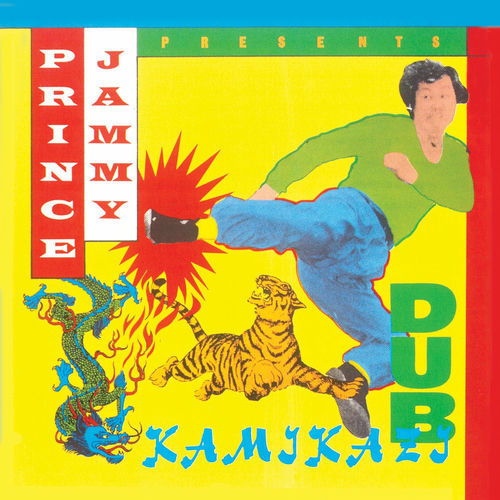
Jammy soon established his own studio and label, Jammy's, in the Waterhouse district. Throughout the 1970s, he built a reputation for crisp, innovative dub albums like "Kamikazi Dub" and worked with roots reggae stars such as Black Uhuru, contributing to their classic early sound.
Breakthrough
Prince Jammy's career-defining moment arrived in 1985 with the instrumental track "Under Me Sleng Teng." Produced for singer Wayne Smith, the song was built on a Casio MT-40 keyboard rhythm, marking one of the first entirely digital reggae recordings. Its massive popularity ignited the "digital dancehall" revolution, rendering older recording methods nearly obsolete overnight.
The "Sleng Teng" rhythm became arguably the most versioned in history, used by countless artists. This breakthrough cemented Jammy's status as a production kingmaker and his studio became the essential hub for the new digital sound, shaping the careers of a generation of dancehall stars.
Key tracks
Under Me Sleng Teng — This 1985 digital rhythm track for Wayne Smith revolutionized reggae production and spawned countless versions.
Temperature Rising — A crucial cultural commentary from the mid-80s, this track featured vocalist Tony Rebel and showcased Jammy's hit-making prowess in the new digital era.
One Scotch, One Bourbon, One Beer — A massive 1983 dancehall hit for Dennis Alcapone, this track demonstrated Jammy's mastery of the pre-digital sound system style.
Murder She Wrote — Produced for Chaka Demus & Pliers in 1992, this crossover smash became an international anthem, proving Jammy's adaptability and enduring relevance.
Later influence and legacy
Following the digital revolution he sparked, Prince Jammy, later known as King Jammy, dominated dancehall production throughout the late 1980s and 1990s. His label launched the careers of major figures like Shabba Ranks, whose early hits "Just Reality" and "Wicked Inna Bed" were Jammy productions.
He continued to produce a relentless stream of hits for artists including Admiral Bailey, Ninjaman, and Pinchers. The competitive "clash" culture of dancehall was fueled by his studio, hosting legendary lyrical battles that were captured on popular cassette releases.
While exact sales certifications for his prolific output are elusive, the cultural impact and chart presence of his productions, especially in the UK market, are undeniable. His son, John John, continues the family's production legacy into the 21st century.
For those exploring the roots of digital reggae, the sounds of King Tubby showcase the dub foundation Jammy built upon. The digital dancehall era he pioneered is further represented by Steely & Clevie, another innovative production duo. The modern dancehall sound is deeply indebted to the path carved by Dave Kelly, who followed in Jammy's footsteps as a studio innovator.
Prince Jammy's revolutionary catalog is a staple on reggae and world music radio stations, from dedicated online streams to influential terrestrial FM broadcasts. His pioneering digital dubs and dancehall anthems receive regular rotation, reminding listeners of his seismic impact on the genre.
The groundbreaking music of Prince Jammy, from deep dubs to digital dancehall, can be heard on the reggae and roots radio stations featured on our website