Pulp
 United Kingdom
Listen Pulp on radio stations:







Pulp: The Defining Sound of Britpop
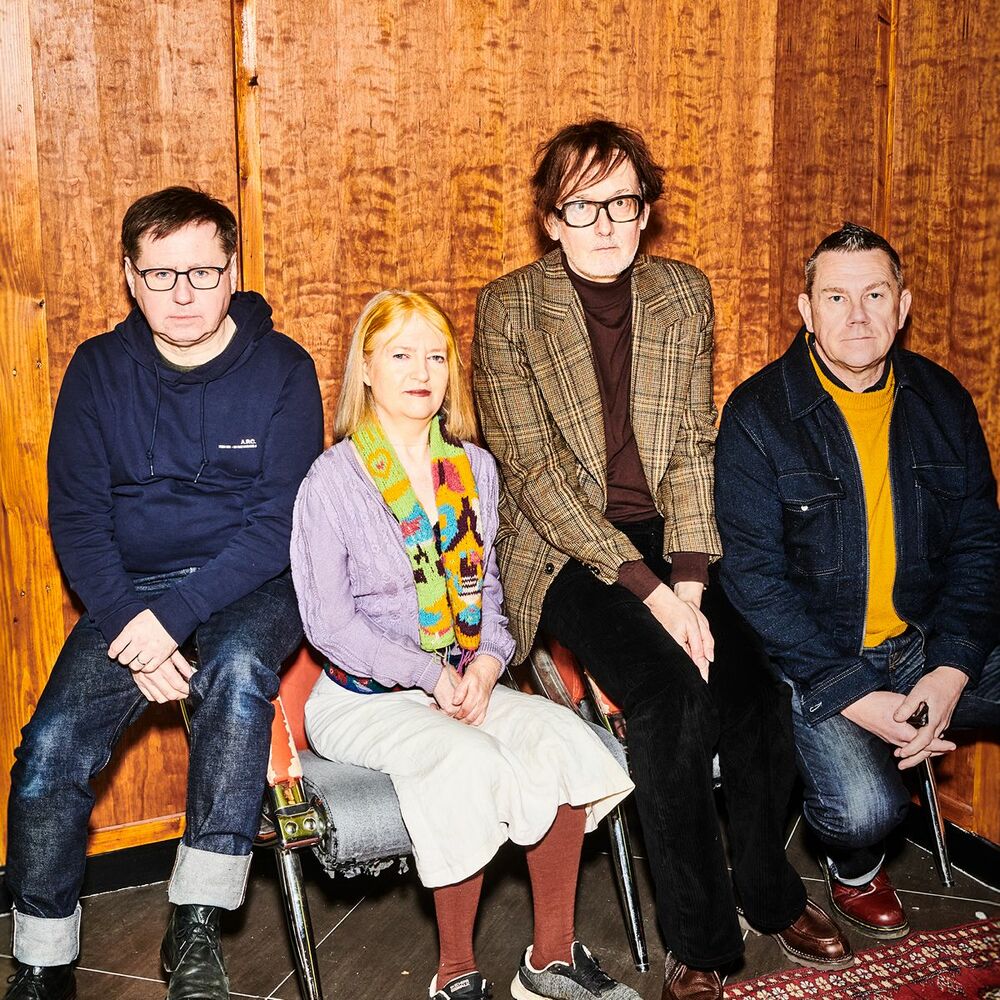
Pulp are an English rock band from Sheffield who became one of the most celebrated and distinctive acts of the 1990s Britpop movement. Their commercial and critical peak arrived with the 1995 album Different Class, which entered the UK Albums Chart at number one and was certified six times platinum.
Early career
Formed in 1978 by school friends, the band initially performed under the name Arabacus Pulp before settling simply on Pulp. Their early sound was a quirky, theatrical form of post-punk and synth-pop, leading to their first album, It, released in 1983 on the Red Rhino label. Despite a cult following and a series of indie singles, Pulp spent much of the 1980s and early 1990s in relative obscurity, refining their unique blend of observational storytelling and glam-infused pop.
Breakthrough
Pulp's fortunes changed dramatically in 1994 with the single Do You Remember the First Time? and their signing to the major label Island Records. The true breakthrough, however, came in 1995 with the release of the single Common People, a scathing and anthemic critique of class tourism that became a cultural touchstone. It propelled the album Different Class to massive success, spending over 100 weeks on the UK chart and winning the Mercury Music Prize in 1996.
Key tracks
Common People — This chart-topping single became the definitive Britpop anthem and established Pulp as sharp social commentators.
Disco 2000 — A nostalgic, upbeat track based on a childhood friend that became another major hit from Different Class.
Sorted for E's & Wizz — A controversial yet honest depiction of the 1990s rave scene that reached number two in the UK singles chart.
This Is Hardcore — The dark, sprawling title track from their 1998 follow-up album, reflecting a bleaker, more cinematic sound.
Babies — An earlier single from 1992 that gained popularity on re-release, showcasing their knack for clever, risqué pop narratives.
The success of Different Class placed immense pressure on the band. Their 1998 follow-up, This Is Hardcore, presented a deliberately darker, more orchestral sound and was certified platinum, though it lacked the commercial frenzy of its predecessor. After 2001's We Love Life, produced by Scott Walker, the band entered a long hiatus, with frontman Jarvis Cocker pursuing a solo career.
Pulp reconvened for celebrated reunion tours in 2011 and 2023, performing to massive crowds and reaffirming their status as a vital live act. Their influence on subsequent generations of indie and alternative artists remains profound, with their catalog of witty, sophisticated pop songs standing the test of time.
Fans of Pulp's literate and dramatic British guitar pop should also explore The Smiths for their similarly clever lyricism and jangling guitars. Suede shares Pulp's glam rock influences and sense of urban drama. Blur operated in the same Britpop sphere with a more art-school approach. The Libertines later captured a different but equally sharp vision of British life.
The music of Pulp maintains a strong presence on radio stations featured here, particularly on classic alternative rock stations and dedicated Britpop channels. Their iconic singles are staples on playlists that celebrate the defining guitar music of the 1990s.
Listeners can discover the essential tracks and deep cuts from Pulp's celebrated career by tuning into the classic rock and alternative radio stations available on onairium.com, where their anthems continue to resonate with audiences old and new.