Qntal
Qntal: Pioneers of Medieval Electronica
Qntal is a German musical ensemble that masterfully fuses medieval poetry and melodies with modern electronic soundscapes. Formed in 1991, the group is celebrated as a foundational act in the genre of electro-medieval music, having released a consistent and influential catalog of studio albums over three decades.
Early career
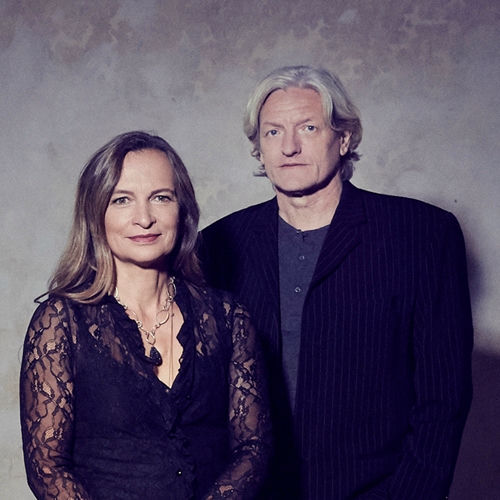
Qntal was founded in Munich in 1991 by multi-instrumentalist and producer Michael Popp, who was also a member of the influential medieval group Estampie, and vocalist and Latin scholar Sigrid Hausen. The project emerged from an experimental desire to bridge historical musical forms with contemporary electronic production techniques. Their self-titled debut album, often referred to as "Qntal I," was released in 1992 on the German label Curzweyhl, establishing their signature sound of ethereal vocals over rhythmic, synth-driven arrangements.
Breakthrough
The band's artistic and commercial breakthrough came with their third album, "Qntal III" (2003), released on the Gropiusstadt label. This release garnered critical acclaim and significantly widened their audience across Europe and in niche markets worldwide, solidifying their status as leaders in the electro-medieval scene. While specific chart data is not widely published for this genre, the album's enduring popularity is evidenced by its continued presence in the band's live sets and its role as a gateway album for new fans.
Key tracks
Flamma — This powerful track from "Qntal III" exemplifies their perfect fusion of driving electronic beats with hauntingly beautiful, Latin-based vocals.
Von den Elben — A standout from "Qntal V" (2006), this song showcases their skill in adapting Middle High German texts into captivating, atmospheric compositions.
Entre moi et mon amin — Featured on "Qntal IV" (2005), this piece highlights their delicate touch with romantic medieval material, pairing Sigrid Hausen's clear vocals with intricate electronic textures.
Falling Star — From the album "The Silver Swan" (2018), this song demonstrates the band's evolution, incorporating more contemporary trip-hop and downtempo elements while staying true to their historical roots.
Following their breakthrough, Qntal continued to refine their sound across subsequent albums like "Qntal IV: Ozymandias" and "Qntal V: Silver Swan," the latter released on the Noir label. The band has seen vocalist changes, with Syrah joining for several albums before the return of Sigrid Hausen. Their later work, including "Qntal VII" (2014) and "Qntal VIII: Nachtblume" (2022), explores darker, more orchestral territories while maintaining their core electronic-medieval identity.
Fans of Qntal's unique blend of ancient and modern often appreciate the work of similar German acts in the broader medieval and neofolk scene. Estampie shares founding members and a deep scholarly approach to early music. Schandmaul offers a more folk-rock oriented take on medieval themes, appealing to those who enjoy the historical lyrical content. Faun creates pagan folk with strong rhythmic and atmospheric elements that resonate with Qntal's audience. Helium Vola explores a similar electronic and medieval fusion, often with a more minimalist and avant-garde approach.
The distinctive music of Qntal has earned regular rotation on specialized radio formats, particularly on online radio streams and independent music radio stations dedicated to world music, electronica, and gothic genres. Their atmospheric tracks are a staple on stations that curate playlists for listeners seeking immersive and historically-inspired soundscapes.
Listeners can explore the captivating discography of Qntal by tuning into radio stations featured on onairium.com, where their pioneering electro-medieval sound is frequently programmed for a global audience of dedicated fans.