Queen
 United Kingdom
Listen Queen on radio stations:





Queen: The Pioneers of Stadium Rock
Queen is a British rock band that formed in London in 1970 and became one of the most successful acts in music history. Their 1981 compilation Greatest Hits is the best-selling album in UK chart history, certified platinum over 20 times, and their anthemic sound defined a generation of stadium rock.
Early career
The band was formed by guitarist Brian May and drummer Roger Taylor with singer Freddie Mercury, joining after his earlier group Smile disbanded. Bassist John Deacon completed the classic lineup in 1971, and they signed with EMI Records and Elektra Records in the US shortly after.
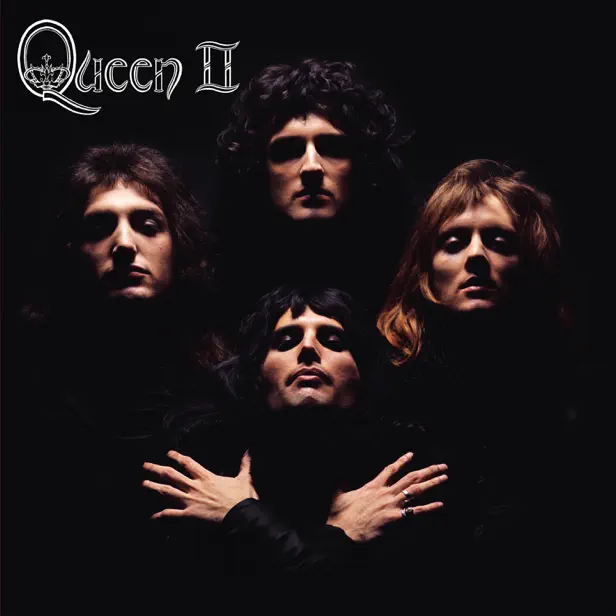
Their self-titled debut album, Queen, arrived in 1973, showcasing their heavy, progressive rock roots. The follow-up, Queen II in 1974, contained more complex arrangements and saw their first UK chart entry with the single "Seven Seas of Rhye".
Breakthrough
Queen's international breakthrough came in 1975 with the album A Night at the Opera and its epic six-minute single "Bohemian Rhapsody". The song, accompanied by a pioneering promotional video, spent nine weeks at number one in the UK and propelled the album to triple-platinum status in the United States.
This period cemented their reputation for musical ambition and theatrical flair. The massive success funded elaborate world tours and gave the band complete creative control over their subsequent releases on their own label, EMI.
Key tracks
Bohemian Rhapsody — This operatic rock suite broke conventional songwriting rules and revolutionized the music video format.
We Will Rock You — Co-written by Brian May, its stomp-stomp-clap beat became a universal sports arena anthem.
Another One Bites the Dust — John Deacon's funk-driven bass line gave the band a number one R&B and disco chart hit in 1980.
Radio Ga Ga — This 1984 synth-rock track became a concert staple, famous for its synchronized audience hand-clap.
Under Pressure — The 1981 collaboration with David Bowie gave Queen another UK number one and a timeless bass riff.
The band continued to dominate charts through the 1980s with albums like The Game and their celebrated performance at 1985's Live Aid, considered one of the greatest in rock history. Following Freddie Mercury's passing in 1991, the remaining members have occasionally performed and curated the band's legacy, which includes inductions into the Rock and Roll Hall of Fame and the Grammy Hall of Fame.
Similar artists in the British rock pantheon include The Beatles for their melodic innovation and studio experimentation. David Bowie shared Queen's flair for theatrical persona and genre-blending ambition. The glam rock foundations of T-Rex directly influenced the band's early style. For grandiose rock composition and live spectacle, explore The Who.
The Queen catalog remains a staple on classic rock FM stations and mainstream rock radio stations worldwide. Their anthems are guaranteed to feature in heavy rotation on any station celebrating rock's greatest hits, from dedicated album-oriented rock streams to major market terrestrial broadcasters.
You can hear the legendary music of Queen across numerous radio stations featured on our website. Listeners can discover their vast catalog, from deep cuts to global smashes, by tuning into the classic rock and heritage rock stations available on onairium.com.