
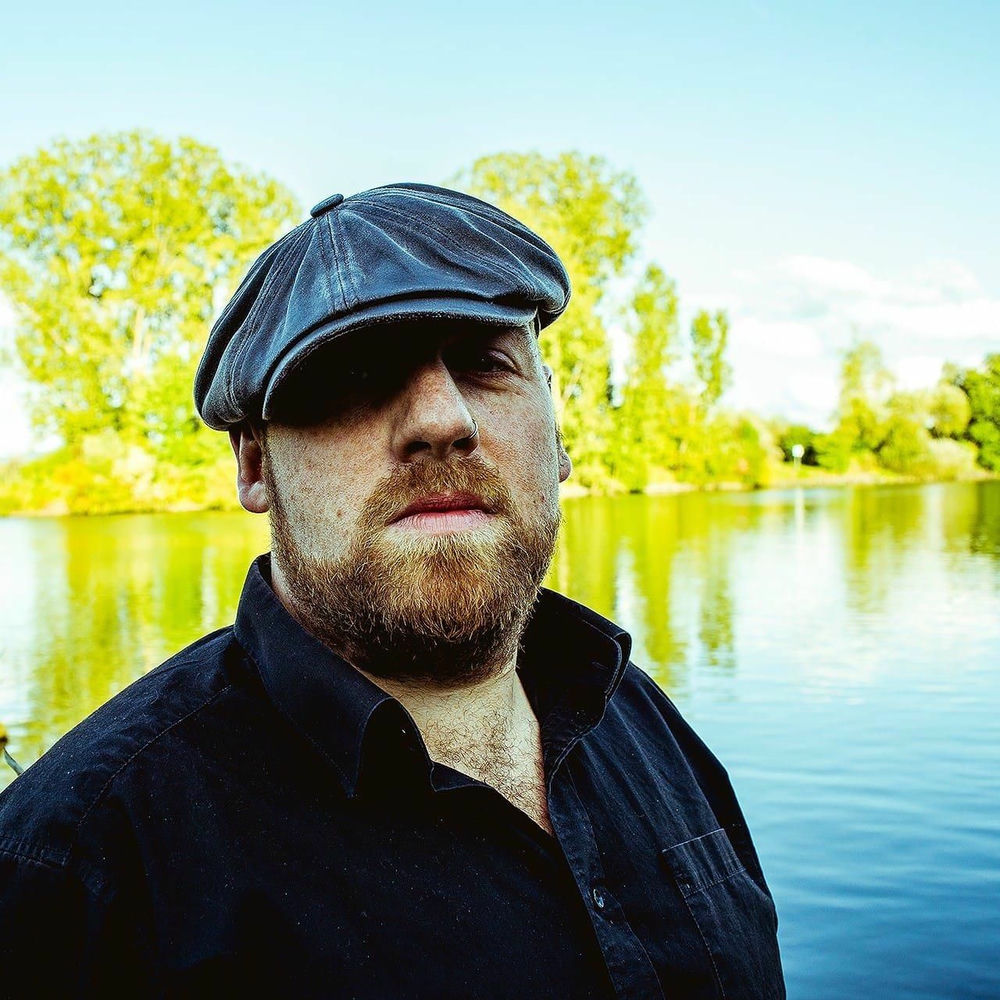
Rami Hattab
Rami Hattab: The Driving Force of Modern Arabic Rock
Rami Hattab is a pioneering Lebanese rock musician and producer who has reshaped the alternative music landscape in the Middle East. Hailing from Beirut, his major achievement came with his 2017 debut album "Makes No Sense," which garnered critical acclaim and solidified his reputation as a genre-defining artist.
Early career
Born in 1986, Rami Hattab began his musical journey in Beirut's vibrant underground scene. He first gained attention as the guitarist for the Lebanese alternative rock band The Kordz, contributing to their albums "Beirut" and "The Beautiful Escape" in the late 2000s.
This period was crucial for developing his signature sound, a fusion of heavy guitar riffs with distinct Arabic melodic sensibilities. His early production work for other regional artists further honed his studio expertise before he embarked on a solo path.
Breakthrough
Hattab's solo breakthrough arrived in 2017 with the release of his debut album "Makes No Sense" on his own independent label. The album's lead single received heavy rotation on regional radio and streaming platforms, resonating with a young Arab audience eager for rock music with local relevance.
The record's success was not defined by traditional chart positions but by its cultural impact, selling out physical pressings and achieving what fans and critics described as "underground gold" status. It established Hattab as a leading voice in a new wave of Arab rock.
Key tracks
Makes No Sense — The title track from his debut album became an anthem for its raw energy and lyrical themes addressing societal contradictions.
Khalas — This powerful song showcases Hattab's ability to blend aggressive guitar work with Arabic vocal phrasing, making it a live set staple.
Shou Baki — A track highlighting his production skill, building from a melodic intro into a crushing, riff-heavy chorus.
Scene Killer — Known for its cynical commentary on music industry trends, it solidified his reputation as a thoughtful and outspoken songwriter.
Myth — A later release that demonstrates the evolution of his sound towards a more refined yet equally heavy aesthetic.
Following his debut's success, Hattab continued to produce and engineer for a new generation of Middle Eastern rock and metal acts, becoming a central figure in the scene's infrastructure. His follow-up work, including singles and EPs, has maintained a consistent output, focusing on high-quality production and musical integrity over commercial pursuit.
He has collaborated with notable regional artists like Yasmine Hamdan, whose experimental Arab pop shares his boundary-pushing approach. The instrumental complexity in his music draws comparisons to Mashrou' Leila, another Lebanese group that modernized alternative Arabic music. His guitar-driven intensity aligns him with the heavier side of acts like Autostrad, though Hattab's sound is distinctly more metallic. Furthermore, his DIY ethos and production style resonate with the work of Jadal, pioneers of the Jordanian rock scene.
Rami Hattab's music is a fixture on online rock radio streams and independent music radio stations that specialize in showcasing global alternative sounds. His tracks are particularly featured on stations dedicated to international rock and metal, connecting his Lebanese roots with a worldwide audience of guitar music enthusiasts.
Listeners can discover the powerful sound of Rami Hattab through the dedicated rock and alternative radio stations available on onairium.com, where his music is regularly featured in rotations celebrating innovative artists from the Middle East and beyond.
