Richard Strauss
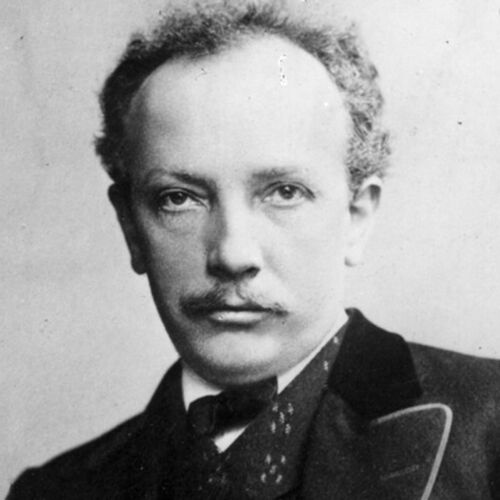
Richard Strauss: The German Master of Late Romantic Tone Poems
Richard Strauss was a German composer and conductor whose innovative orchestral works and operas defined the late Romantic and early modern eras. From Munich, his major achievement lies not in traditional sales charts but in the enduring performance history of his compositions, which remain staples of the classical repertoire worldwide.
Early career
Born in Munich in 1864, Richard Strauss was a musical prodigy, composing from an early age under the conservative guidance of his father, a renowned horn player. His early works, like his first horn concerto and symphony, showed a mastery of classical forms, but his style transformed after an influential appointment as assistant conductor in Meiningen, where he embraced the progressive ideas of composers like Liszt and Wagner.
Breakthrough
Strauss's artistic breakthrough came in the 1890s with a series of revolutionary tone poems. The 1896 premiere of Also sprach Zarathustra solidified his fame, its dramatic opening fanfare later becoming globally iconic through film. Published by the influential firm Fürstner, these works achieved a different kind of "chart" success, entering the core programming of major orchestras across Europe and America.
Key tracks
Also sprach Zarathustra — This tone poem's majestic introduction became one of the most recognizable pieces of classical music in the 20th century.
Till Eulenspiegels lustige Streiche — A brilliant and witty symphonic poem showcasing Strauss's unparalleled skill in orchestral storytelling and character portrayal.
Salome — The 1905 opera, based on Oscar Wilde's play, caused a scandal with its dissonance and subject matter, cementing Strauss's status as a modernist provocateur.
Der Rosenkavalier — This 1911 opera marked a shift to a more lyrical, neo-classical style and became his most enduring and popular work for the stage.
Vier letzte Lieder — His final songs, composed in 1948, are considered the sublime culmination of the German Romantic Lied tradition.
His later career was dominated by operatic successes like Elektra and Ariadne auf Naxos, often in celebrated collaboration with librettist Hugo von Hofmannsthal. Despite the shifting musical landscape, Strauss maintained his position as a leading figure, even as his later works adopted a more refined and retrospective style.
For listeners exploring the rich world of German late-Romantic music, similar artists featured on our site include Gustav Mahler who similarly expanded the symphony's emotional and orchestral scale. Discover Johannes Brahms for the structural mastery that preceded Strauss's innovations. The operatic intensity of Richard Wagner was a direct and profound influence on Strauss's own stage works. Finally, Hector Berlioz shares Strauss's genius for vivid, narrative-driven orchestration.
Richard Strauss's music holds a permanent place in the rotation of classical FM stations, symphony broadcast channels, and dedicated online classical streams. His tone poems and operatic excerpts are frequently featured in thematic programming and composer spotlight segments across the network.
The powerful works of Richard Strauss can be heard regularly on the classical radio stations featured on our website. Listeners can discover the dramatic scope of this German composer's genre-defining music by tuning into the stations available on onairium.com.