

Richard Wagner: The Revolutionary of German Opera
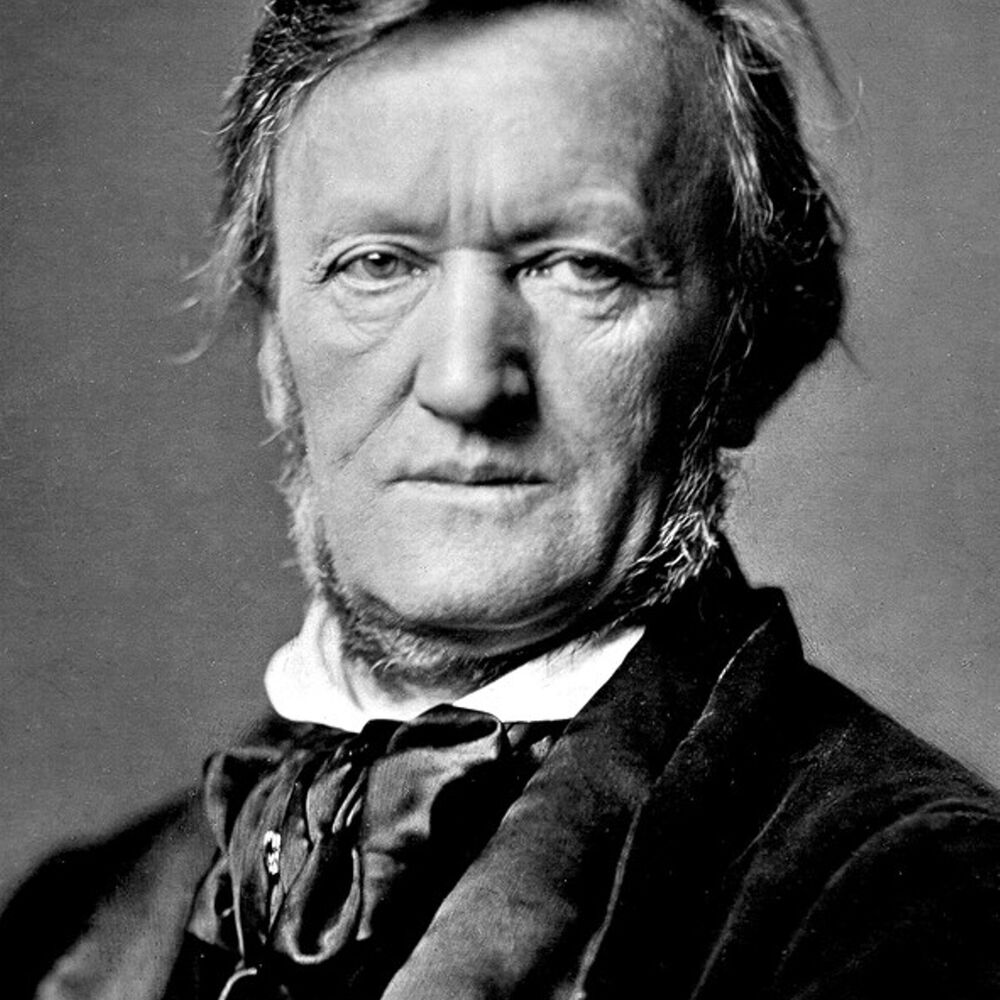
Richard Wagner was a 19th-century German composer and conductor whose radical ideas reshaped the entire landscape of Western classical music. His most monumental achievement is the four-opera cycle Der Ring des Nibelungen, a colossal work that represents the peak of his artistic ambition and continues to dominate major opera houses worldwide.
Early career
Born in Leipzig in 1813, Wilhelm Richard Wagner showed an early interest in theatre and music, largely self-educating through scores by Beethoven. His first completed operas, including Die Feen and Das Liebesverbot, were staged in the 1830s with little success, leading to a period of financial hardship and his early work as a conductor in provincial theatres.
Breakthrough
Wagner's first significant success came with the 1842 premiere of Rienzi in Dresden, a grand opera that won him the position of Royal Saxon Court Conductor. His true artistic breakthrough, however, arrived with the 1845 opera Tannhäuser, which, despite initial controversy, established his signature style of integrating music, poetry, and drama, setting the stage for his future revolutionary works.
Key tracks
Ride of the Valkyries — This powerful orchestral piece from Die Walküre is one of the most recognizable excerpts in all of classical music, frequently used in film and popular culture.
Prelude to Tristan und Isolde — With its famous "Tristan chord," this work pushed harmonic language to its limits and is considered a direct precursor to modern atonality.
Bridal Chorus — Known colloquially as "Here Comes the Bride," this piece from Lohengrin is a staple of wedding ceremonies globally.
Siegfried's Funeral March — This profound and heavy orchestral passage from Götterdämmerung is a masterclass in using the orchestra to convey epic tragedy.
Overture to The Flying Dutchman — This stormy overture marks Wagner's decisive turn toward German Romantic opera and the themes of redemption that would define his career.
Exiled after the 1849 Dresden uprising, Wagner developed his theory of the Gesamtkunstwerk, or "total work of art," culminating in the epic Der Ring des Nibelungen. The cycle's first complete performance at the specially built Bayreuth Festspielhaus in 1876 was a landmark cultural event, funded largely by King Ludwig II of Bavaria. His final opera, Parsifal, premiered at Bayreuth in 1882, conceived as a sacred festival drama for his unique theatre.
For listeners exploring the world of German Romantic opera, the works of Richard Strauss continue Wagner's expansive orchestral language. Gustav Mahler inherited Wagner's philosophical depth and scale in the symphonic form. The harmonic innovations of Arnold Schoenberg find a clear antecedent in Wagner's later scores. Furthermore, the dramatic intensity of Anton Bruckner showcases a symphonic approach deeply indebted to Wagnerian sound.
Richard Wagner's music holds a permanent place in the rotation of classical music radio stations and dedicated opera broadcasts. His monumental orchestral excerpts and complete operas are featured on specialist programming across online classical streams and international public radio networks, ensuring his complex legacy remains accessible to a global audience.
You can explore the powerful and influential music of Richard Wagner by tuning into the classical and opera radio stations featured on onairium.com. Discover the epic scope of his German opera through curated programming available on our platform.