
Robert Wyatt: The Uncompromising Voice of English Progressive Rock
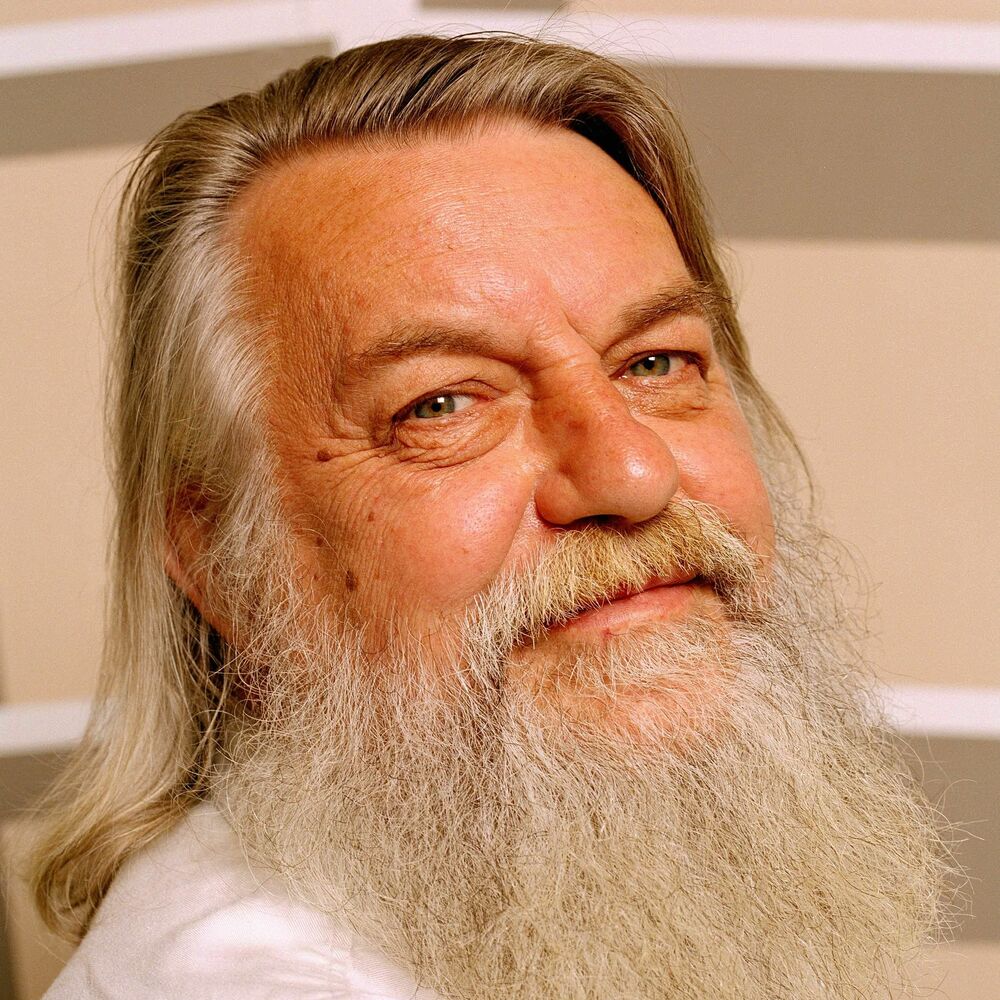
Robert Wyatt is an English singer, songwriter, and multi-instrumentalist whose career spans the Canterbury scene, progressive rock, and avant-garde pop. From his origins in Canterbury, his 1974 solo single "I'm a Believer" became an unlikely UK Top 40 hit, peaking at number 29 and introducing his fragile, distinctive voice to a wider audience.
Early career
Born in Bristol in 1945, Robert Wyatt co-founded the influential band Soft Machine in 1966, a pivotal act in the Canterbury scene's blend of psychedelia and jazz. He served as drummer and vocalist on their first three albums, including the 1970 classic Third, before forming his own band, Matching Mole, in 1971.
Breakthrough
A life-altering accident in 1973 left Wyatt paralyzed from the waist down, ending his career as a drummer. His artistic breakthrough came with the 1974 album Rock Bottom, released on Virgin Records. A deeply personal and critically acclaimed work, it was composed largely after his accident and is widely regarded as a masterpiece of the progressive rock genre.
Key tracks
Moon in June — This sprawling Soft Machine track from Third showcases Wyatt's early compositional ambition and whimsical vocal style.
I'm a Believer — His haunting, slowed-down cover of The Monkees' hit became his sole UK chart entry, defining his unique interpretive power.
Sea Song — The opening track on Rock Bottom, it perfectly encapsulates the album's dreamlike, emotionally raw atmosphere.
Shipbuilding — Written by Elvis Costello and Clive Langer, Wyatt's 1982 rendition is a poignant anti-war ballad that remains one of his most famous recordings.
Free Will and Testament — This track from his 2003 album Cuckooland demonstrates the enduring political and artistic vitality of his later work.
Throughout the late 1970s and 1980s, Wyatt released a series of solo albums on labels like Rough Trade and Domino, often featuring collaborations with artists like Brian Eno, Mike Oldfield, and Björk. His work became increasingly political, yet always retained a melodic and experimental heart, as heard on albums like 1985's Old Rottenhat. He officially retired from music in 2014, leaving behind a profound and singular catalog.
Fans of Robert Wyatt's eclectic and poetic approach may also enjoy the work of Nick Drake for the shared sense of introspective melancholy. Pink Floyd explored similar thematic and sonic expanses in progressive rock. The jazz-inflected rock of Caravan connects to Wyatt's Canterbury roots. Peter Gabriel shares a commitment to artistic evolution and world music influences in his solo work.
Robert Wyatt's music maintains a steady presence on radio stations dedicated to classic progressive rock, alternative rock radio stations celebrating unique voices, and independent music radio stations that champion avant-garde songwriting. His songs are a staple on specialty shows exploring the depth of 1970s rock and beyond.
Listeners can explore the unique discography of Robert Wyatt by tuning into the curated classic rock and progressive rock radio stations available on onairium.com, where his influential work continues to resonate with new audiences.