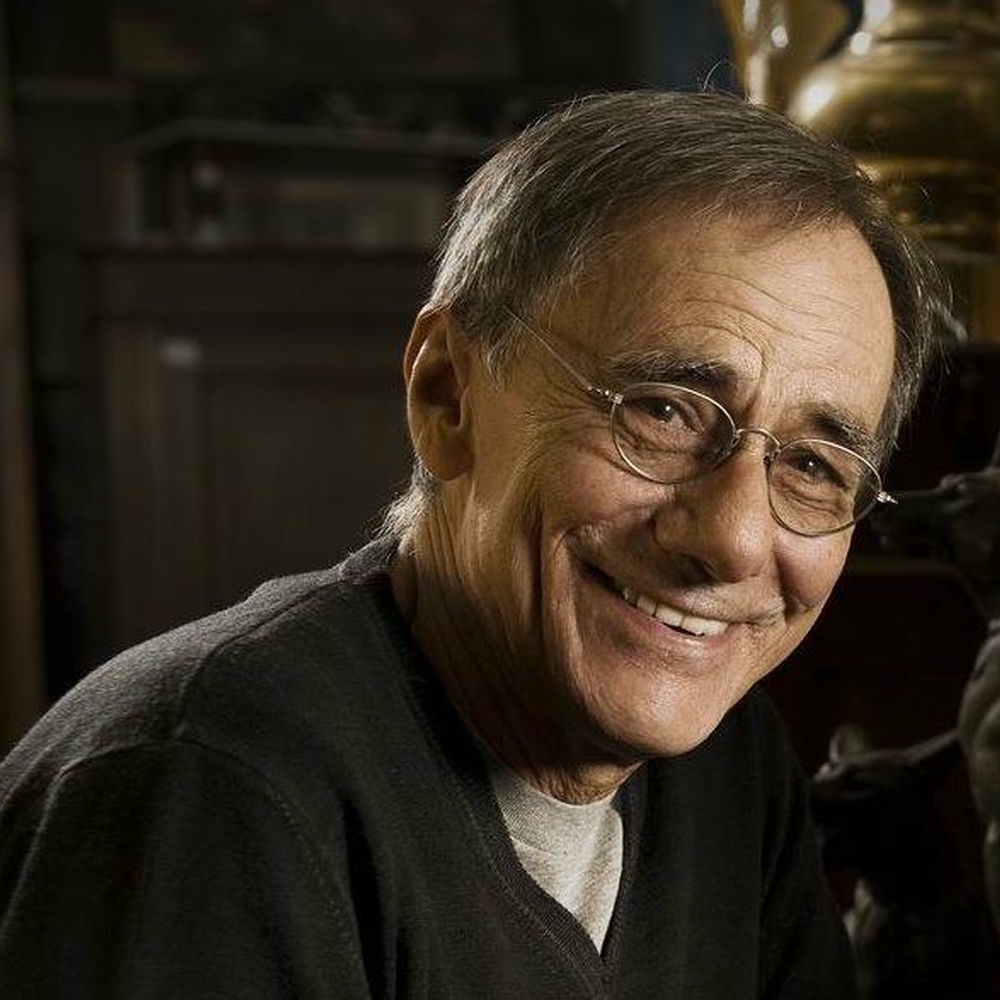

Roberto Vecchioni: The Poetic Voice of Italian Singer-Songwriter Rock
Roberto Vecchioni is an Italian singer-songwriter, author, and teacher whose career has defined the Italian cantautore tradition for over five decades. Hailing from Milan, his profound lyricism and melodic rock compositions have earned him a revered status in Italy, marked by critical acclaim and a loyal fanbase that spans generations.
Early career
Born in 1943 in Carate Brianza, near Milan, Vecchioni's artistic path began in literature and academia, earning a degree in Classical Literature. His musical journey started in the late 1960s, writing songs for other artists before stepping into the spotlight himself. He released his debut album, Parabola, in 1971, establishing his signature style of blending poetic, often philosophical lyrics with accessible pop and rock arrangements.
Breakthrough
While he built a steady following throughout the 1970s, Vecchioni's widespread breakthrough came with the 1977 album Samarcanda. The title track became an enduring classic, cementing his reputation as a master storyteller. His commercial success continued into the 1980s and beyond, with albums like Milady (1989) and Per amore mio (1991) achieving significant sales and solidifying his place in the Italian music canon.
Key tracks
Samarcanda - This epic 1977 title track remains his most iconic song, a narrative masterpiece that captures the imagination with its tale of a mythical journey.
Canzone per te - A beautifully simple and heartfelt love ballad from 1982, showcasing his ability to craft universally resonant emotional melodies.
Chiamami ancora amore - The title track from his 2011 album, which won the prestigious Sanremo Music Festival, introducing his work to a new, younger audience.
Milady - The sophisticated and beloved title song from his 1989 album, representing the peak of his mature pop-rock songwriting in that era.
Voglio una donna - An earlier hit from 1973 that highlights the more rock-oriented side of his musical personality.
Vecchioni's career is characterized by remarkable consistency and intellectual depth. Beyond music, he has published novels and essays and taught at the university level, which informs the literary quality of his songwriting. He continues to record and perform, with later albums like Di rabbia e di stelle (2017) proving his creative vitality remains undimmed.
Fans of Roberto Vecchioni's brand of lyrical Italian rock may also appreciate the work of Francesco De Gregori, another pillar of the cantautore scene known for his poetic and socially conscious songs. The introspective storytelling of Francesco Guccini shares a similar literary foundation. For those drawn to the melodic pop-rock fusion, Lucio Dalla offers a more eclectic and theatrical approach. The modern sensibility of Max Gazzè continues the tradition of clever, wordplay-rich Italian songwriting.