Roger McGuinn: The Jangling Architect of Folk Rock
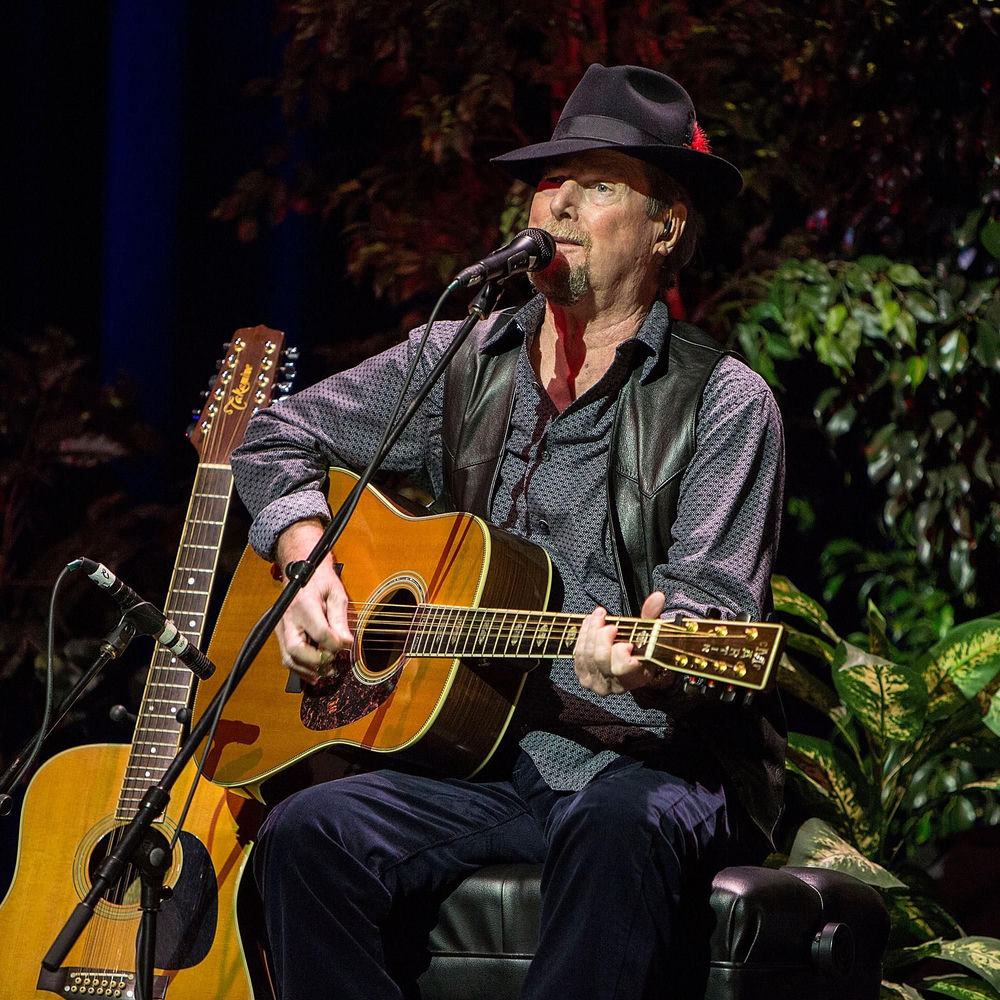
Roger McGuinn is the American singer, songwriter, and guitarist who founded and fronted the seminal folk rock band The Byrds. Hailing from Chicago, Illinois, he achieved his greatest commercial and critical success in the mid-to-late 1960s, piloting The Byrds to multiple chart-topping hits and the landmark album "Mr. Tambourine Man," which helped define a new genre.
Early career
Born James Joseph McGuinn in 1942, he began his professional music career as a sideman in the early 1960s. He worked as a session guitarist for artists like Bobby Darin and Judy Collins and was briefly a member of the folk group The Limeliters, honing the intricate guitar style that would become his signature.
His path changed after witnessing The Beatles' 1964 film "A Hard Day's Night," which inspired him to fuse folk music with rock and roll energy. He soon met fellow musicians David Crosby and Gene Clark in Los Angeles, forming the nucleus of the band that would become The Byrds.
Breakthrough
The Byrds' breakthrough arrived in 1965 with their debut single on Columbia Records, a jangly electric adaptation of Bob Dylan's "Mr. Tambourine Man." The song soared to number one on the Billboard Hot 100, and the album of the same name reached number six, eventually earning a gold certification and cementing the folk rock sound.
This success was swiftly followed by another chart-topper later that year with their version of Pete Seeger's "Turn! Turn! Turn! (To Everything There Is a Season)." The band's innovative use of twelve-string electric guitar, complex harmonies, and blending of contemporary songwriting with traditional folk themes made them one of the most influential acts of the era.
Key tracks
Mr. Tambourine Man — The 1965 debut single that launched folk rock into the mainstream, featuring McGuinn's iconic twelve-string Rickenbacker introduction.
Eight Miles High — A pioneering 1966 track that ventured into psychedelic rock and jazz influences, with McGuinn's guitar work inspired by John Coltrane.
So You Want to Be a Rock 'n' Roll Star — A 1967 satirical commentary on the music industry from the album "Younger Than Yesterday," which included brass and was a collaboration with South African musicians Hugh Masekela.
Chestnut Mare — A later-career highlight from the 1970 album "(Untitled)" by The Byrds, showcasing McGuinn's narrative songwriting and enduring musical vision.
After The Byrds disbanded in 1973, Roger McGuinn embarked on a solo career, releasing albums on Columbia and later Arista. His 1973 self-titled solo debut featured the song "My New Woman," and he continued to collaborate with former bandmates like Chris Hillman. In the 1990s, he returned to his folk roots with a series of solo albums featuring traditional material and new songs, released on his own label.
McGuinn's influence is immeasurable; his ringing guitar tone became the blueprint for countless jangle-pop and alternative rock guitarists. He was inducted into the Rock and Roll Hall of Fame as a member of The Byrds in 1991, a testament to the band's lasting impact on popular music.
For fans of Roger McGuinn's pioneering blend of folk lyricism and rock energy, explore similar artists featured on our site. The jangle and harmonies of The Byrds directly inspired the sound of Tom Petty & The Heartbreakers. The folk-rock storytelling of Neil Young shares a similar authentic, genre-blending approach. The intricate guitar work and vocal delivery of R.E.M. in their early years owes a clear debt to McGuinn's innovations. The melodic sensibilities and rich textures of The Beatles, who themselves influenced McGuinn, created a reciprocal circle of inspiration in the 1960s.
Roger McGuinn's catalog remains a staple on classic rock FM