Rote Gitarren
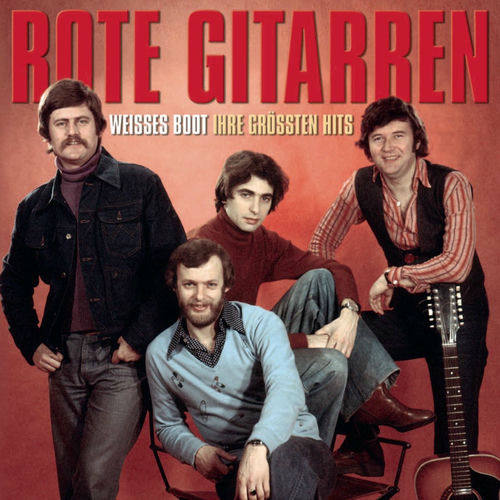
Rote Gitarren: The Pioneers of German Beat Music
Rote Gitarren are a foundational German beat and rock band that emerged from the vibrant music scene of East Berlin. Formed in 1965, the group became one of the most successful acts in the German Democratic Republic, known for their energetic live performances and a string of hit records that defined a generation.
Early career
The band was founded in East Berlin by guitarist and vocalist Hans-Jürgen "Hansi" Bähnge, alongside Achim Mentzel, Frank Pfeiffer, and Hartmut Schulze. They quickly established themselves as a formidable live act, drawing inspiration from British beat groups and the nascent rock 'n' roll movement. Their early recordings for the state-owned AMIGA label, including the 1966 single Du, showcased their knack for catchy melodies and driving rhythms.
Breakthrough
Rote Gitarren achieved mainstream breakthrough in 1967 with their debut self-titled album, which solidified their status as stars. The record featured the massive hit Dein Name, a song that became an anthem and demonstrated their ability to craft sophisticated pop-rock within the GDR's cultural framework. Their consistent output and popularity led to numerous radio and television appearances, making them household names across East Germany.
Key tracks
Dein Name — This 1967 single is arguably their signature song, a defining track of the East German beat era with enduring popularity.
Über die Straße gehn — A later hit from 1971 that showcased a more mature, ballad-oriented sound while retaining their characteristic energy.
Du — Their first single from 1966, marking their confident entry into the recording industry and establishing their core sound.
Komm zu mir — A prime example of their mid-career work, blending rock drive with accessible pop harmonies.
The band's prolific career spanned decades, with a consistent release schedule of albums on the AMIGA label, including Rote Gitarren 2 (1968) and Meine kleinen Schwestern (1973). Despite various lineup changes, with Hansi Bähnge remaining the constant creative force, they maintained a loyal fanbase. Their music evolved from raw beat to incorporate elements of folk, pop, and even theatrical rock, as heard on later works like the 1983 album Zeit.
Fans of Rote Gitarren's melodic German rock should also explore Karat, another legendary East German band known for their progressive rock anthems. The catchy pop-rock of City shares a similar foundational energy and historical significance. For the quintessential sound of GDR beat music, listen to The Puhdys, contemporaries who also achieved massive success. The earlier rock influence of Theo Schumann Combo helped pave the way for bands like Rote Gitarren.
Rote Gitarren's classic hits remain in steady rotation on dedicated classic rock FM stations and specialty programs focusing on the history of German rock music. Their songs are staples on online radio streams that curate the essential sounds of 1960s and 70s European beat, connecting new listeners with this influential era.
The music of Rote Gitarren, a cornerstone of German beat history, can be heard on radio stations featured on our website. Listeners can discover their iconic tracks and deep cuts through the curated rock and classic hit stations available on onairium.com.