






Roxy Music: The Pioneers of Art Rock and Glam
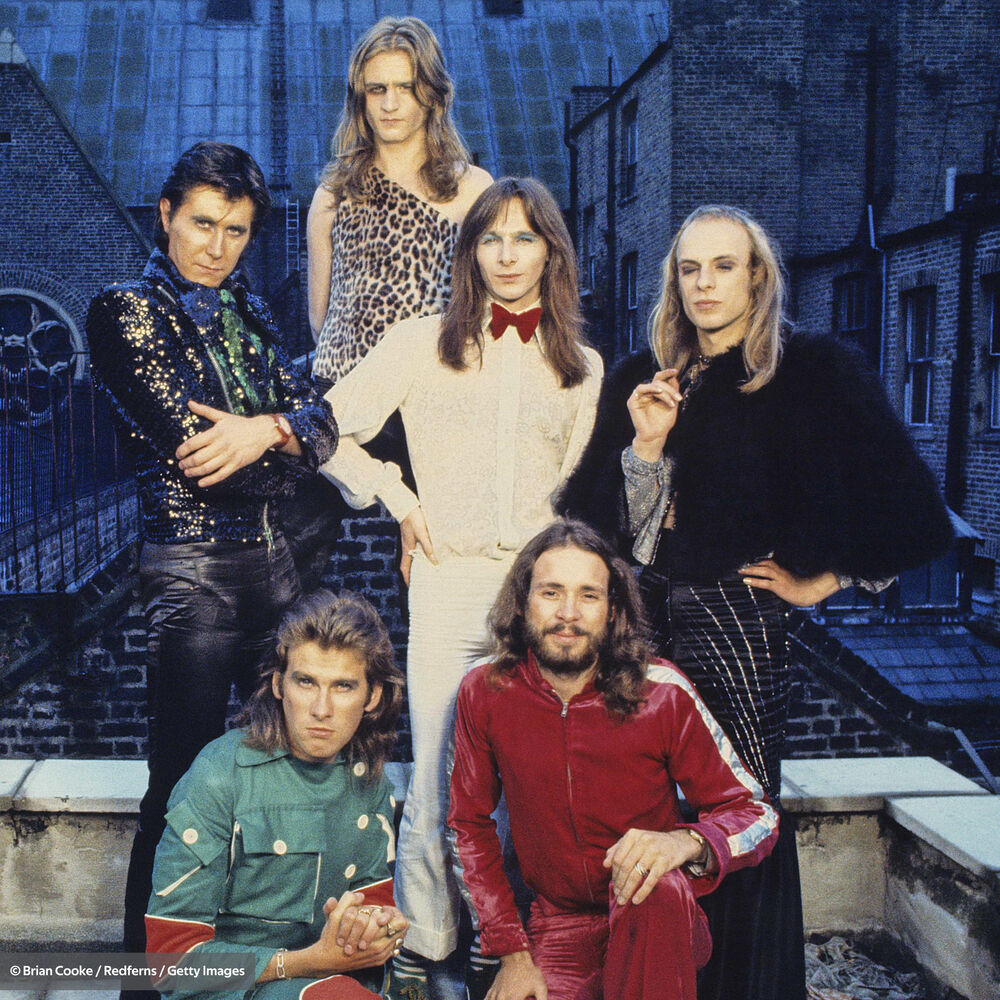
Roxy Music was a British rock band formed in 1970, renowned for their sophisticated fusion of art rock, glam, and forward-thinking pop. Hailing from England, the group achieved significant commercial success in the 1970s and early 1980s, with several albums charting in the UK Top 10 and influential songs like "Love is the Drug" becoming international hits.
Early Career
Roxy Music was formed in 1970 by vocalist Bryan Ferry and bassist Graham Simpson, soon joined by saxophonist and oboist Andy Mackay and synthesizer player Brian Eno. Their self-titled debut album, Roxy Music, was released in 1972 on Island Records and immediately established their eclectic, avant-garde sound, reaching No. 10 on the UK Albums Chart. This early period was defined by a conscious collision of 1950s rock and roll nostalgia with futuristic electronic textures and a highly stylized, glamorous aesthetic.
Breakthrough
The band's commercial breakthrough intensified with their second album, 1973's For Your Pleasure, and was solidified by the success of the 1975 album Siren. The lead single from Siren, "Love is the Drug," became a worldwide hit, peaking at No. 2 on the UK Singles Chart and breaking into the US Billboard Hot 100, bringing their art rock and glam rock sensibilities to a much broader audience. This period marked the height of their initial fame before an initial hiatus in 1976.
Key Tracks
Virginia Plain - This non-album single accompanied their debut and became their first UK Top 10 hit, perfectly encapsulating their early frenetic energy and cryptic lyricism.
Love is the Drug - The band's most commercially successful single, a sleek, danceable track that merged their art rock foundations with a disco-influenced groove.
More Than This - A later hit from their 1982 album Avalon, showcasing their evolution into a smoother, more atmospheric sophisti-pop style.
Avalon - The title track from their final studio album is a hallmark of their refined, melancholic sound in the early 1980s.
Following Brian Eno's departure after the second album, the band refined its sound, moving through a more focused rock phase on albums like Country Life (1974) and Stranded (1973). After their 1976 split, the members pursued solo projects before reuniting in 1978 to record Manifesto, signaling a shift towards a more polished, dance-oriented new wave and synth-pop direction. Their final albums, Flesh + Blood (1980) and the seminal Avalon (1982), were major successes, with Avalon achieving platinum status in both the UK and US and representing the peak of their sophisticated, atmospheric style. The band disbanded in 1983 after a triumphant final tour, though they have reunited for selective performances in subsequent decades.
Fans of Roxy Music's art pop and glam rock often appreciate the work of David Bowie, who shared a similar chameleonic and theatrical approach to rock music. The art rock complexities of Brian Eno, both in his solo work and collaborations, are a direct extension of his early work with the band. The stylish, melancholic pop of Duran Duran shows a clear debt to Roxy Music's later period. Similarly, the sophisticated arrangements of Talk Talk evolved from a foundation laid by bands like Roxy Music.