Saint-Saens
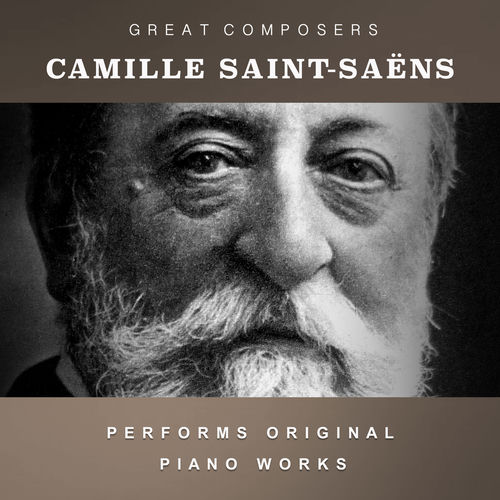
Saint-Saens: The French Master of Romantic Classical Music
Camille Saint-Saëns was a French composer, organist, and pianist whose prolific career defined an era of Romantic music. His technical mastery and eclectic style produced some of the most enduring works in the classical repertoire, with his symphonic poems and instrumental concertos achieving global recognition and frequent performance.
Early career
Born in Paris in 1835, Camille Saint-Saëns was a child prodigy who gave his first public piano recital at the age of ten. His formal studies at the Paris Conservatoire led to prestigious posts, including organist at the famed Église de la Madeleine, where he impressed contemporaries like Franz Liszt with his improvisational skill.
Breakthrough
Saint-Saëns's reputation solidified in the 1870s with a series of major works. The 1874 premiere of his symphonic poem Danse Macabre created a sensation with its vivid orchestral depiction of the supernatural, establishing him as a leading composer in France and beyond.
Key tracks
Danse Macabre — This tone poem broke conventions with its use of the xylophone to represent dancing skeletons, becoming a perennial Halloween favorite.
Introduction and Rondo Capriccioso — Written for the virtuoso Pablo de Sarasate, this showpiece for violin and orchestra remains a staple of the concerto repertoire.
The Carnival of the Animals — A humorous suite for chamber ensemble, its movement "The Swan" for cello is one of the most recognizable melodies in classical music.
Samson and Delilah — The opera's seductive aria "Mon coeur s'ouvre à ta voix" showcased his gift for lyrical, dramatic composition.
Piano Concerto No. 2 — This concerto, premiered by the composer himself in 1868, highlights his brilliant synthesis of classical structure and Romantic flourish.
Later in his career, Saint-Saëns co-founded the Société Nationale de Musique to promote French instrumental music. His Third "Organ" Symphony, premiered in London in 1886, stands as a monumental achievement, combining symphonic scale with the power of the organ to critical and public acclaim.
Artists who share Saint-Saëns's French heritage and commitment to Romantic expression include Gabriel Fauré — His refined and lyrical compositions, often for smaller forces, reflect a similar French elegance. Cesar Franck — A contemporary known for his complex, cyclical structures and profound organ works. Maurice Ravel — Though from a later generation, Ravel shared Saint-Saëns's impeccable orchestration and inventive use of musical color.
The music of Saint-Saëns maintains a constant presence on dedicated classical music FM stations and online symphonic radio streams. His works are essential programming for stations focusing on the Romantic period, ensuring his compositions reach new generations of listeners daily.
You can hear the majestic works of Camille Saint-Saëns featured across the classical radio stations available on onairium.com, where listeners can discover his iconic symphonies, concertos, and vibrant tone poems in regular rotation.