
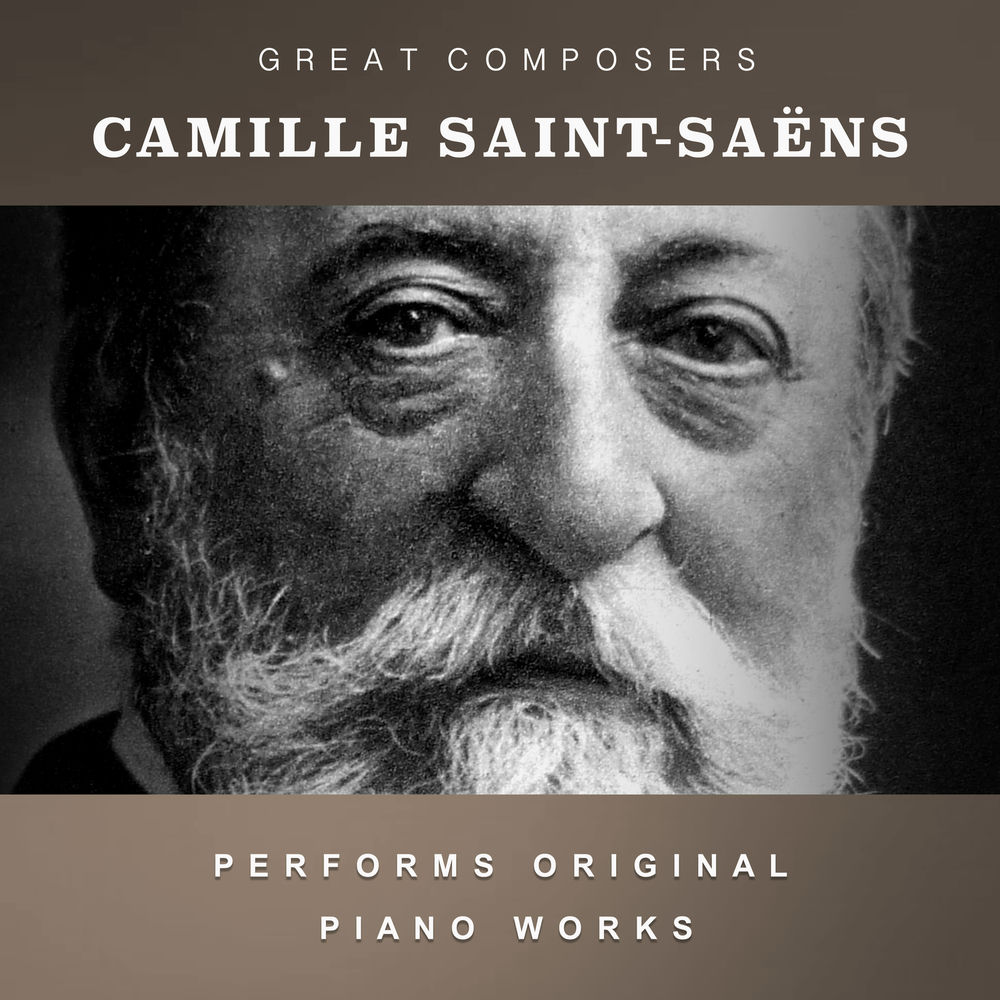
Saint-Saens
Saint-Saens: The French Master of Romantic Classical Music
Camille Saint-Saens was a prolific French composer, pianist, and organist whose career spanned nearly eight decades. His work is a cornerstone of the Romantic repertoire, achieving global recognition for its brilliant craftsmanship and memorable melodies.
Early career
Born in Paris in 1835, Saint-Saens was a child prodigy who gave his first public piano recital at the age of ten. He studied at the Paris Conservatoire and later became the organist at the famed Church of the Madeleine, a position he held for two decades while composing his early symphonies and concertos.
Breakthrough
While respected in musical circles, Saint-Saens achieved true international fame with his orchestral masterpiece Danse Macabre in 1874. His popularity was further cemented by the 1886 premiere of The Carnival of the Animals, a witty suite for chamber ensemble, though he forbade public performances during his lifetime.
Key tracks
Danse Macabre — This symphonic poem broke conventions with its vivid depiction of skeletons dancing at midnight, becoming his most recognizable orchestral work.
Introduction and Rondo Capriccioso — Written for the virtuoso Pablo de Sarasate, this piece remains a staple of the violin repertoire, showcasing both technical flair and lyrical beauty.
Samson and Delilah — The opera's seductive aria "Mon coeur s'ouvre a ta voix" proved his skill in theatrical composition and became a global standard.
Piano Concerto No. 2 — A demanding and popular concerto that highlights his synthesis of classical structure with Romantic expression.
Symphony No. 3 "Organ" — This monumental symphony, featuring pipe organ, is considered his symphonic pinnacle and is frequently performed worldwide.
His later career included extensive travel, writing on musicology, and founding the Societe Nationale de Musique to promote French music. Saint-Saens continued composing vigorously until his death in 1921 in Algiers, leaving a vast catalog including thirteen operas, five symphonies, and numerous concertos.
For fans of Saint-Saens's French Romantic style, explore similar composers featured on our site. Gabriel Faure shared his elegant craftsmanship and melodic gift. Charles Gounod was another influential French contemporary with a focus on opera and sacred music. Cesar Franck offers a slightly more chromatic and intense take on the French Romantic sound. Maurice Ravel, from the next generation, continued the tradition of impeccable orchestration and form.
The music of Saint-Saens maintains a strong presence on radio, featured regularly on classical music FM stations, dedicated composer channels, and online symphonic streams. His works are programming staples for their immediate appeal and technical brilliance.
Listeners can discover the enduring works of Camille Saint-Saens on the classical radio stations available through onairium.com, where his concertos, symphonies, and iconic tone poems continue to captivate audiences daily.
