
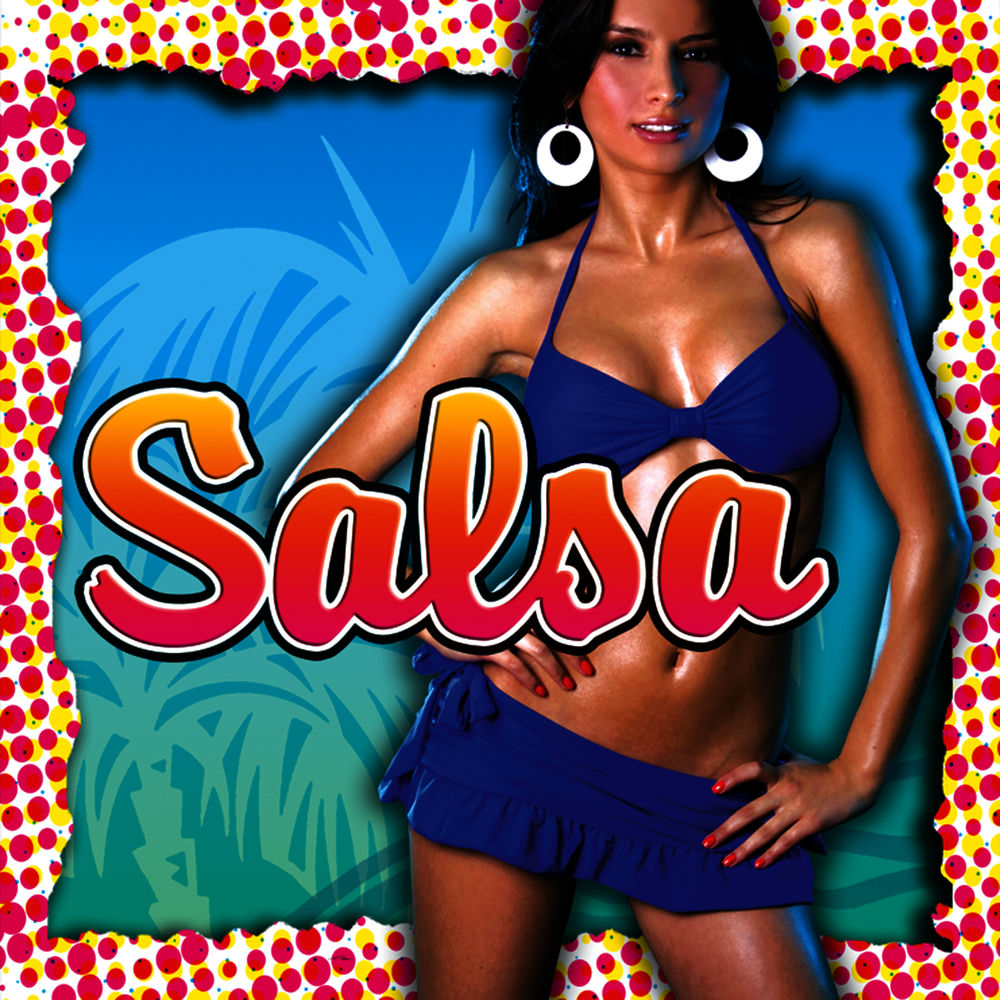
Salsa
Listen Salsa on radio stations:


Salsa: The Rhythmic Force of Latin Music
Salsa is not a single artist but a vibrant and influential genre of Latin music that emerged from the cultural melting pot of 1960s New York City. Its most significant achievement is becoming a global phenomenon, with albums by its key exponents selling millions of copies and defining dance floors worldwide for decades.
Early career
The genre's roots are a fusion of Cuban son montuno, mambo, and other Afro-Caribbean rhythms, blended with jazz and Puerto Rican influences by immigrant communities in New York. The term "salsa" itself was popularized as a commercial label by Fania Records, the independent label founded by Johnny Pacheco and Jerry Masucci in 1964. This era saw the formation of legendary ensembles like the Fania All-Stars, a supergroup that became the genre's flagship.
Breakthrough
Salsa's commercial peak arrived in the 1970s, known as the "Salsa Boom." Fania Records operated as a powerhouse, releasing seminal albums that dominated Latin charts. Willie Colón and Héctor Lavoe's 1971 collaboration on El Malo and their subsequent work like Lo Mato in 1973 achieved gold status, cementing the raw, New York sound. Rubén Blades' conceptual album Siembra with Colón in 1978 became one of the best-selling salsa albums in history.
Key tracks
Quimbara — Celia Cruz's explosive 1974 anthem with Johnny Pacheco became a definitive standard, showcasing her powerful voice and the genre's energetic core.
Pedro Navaja — This narrative epic from Rubén Blades' Siembra album transformed salsa into a vehicle for sophisticated social commentary.
El Cantante — Héctor Lavoe's signature song, written by Blades, is a poignant autobiographical hymn that solidified his status as the voice of a generation.
La Vida Es Un Carnaval — Celia Cruz's late-career hit from 1998 proved salsa's enduring appeal, becoming a global anthem of resilience.
Following the 1970s boom, salsa evolved and diversified. The 1980s introduced salsa romántica, a smoother, ballad-driven style pioneered by artists like Eddie Santiago and Frankie Ruiz. Meanwhile, figures like Marc Anthony achieved massive crossover success in the 1990s, with his album Todo a Su Tiempo (1995) earning platinum certifications and introducing the genre to new pop audiences. Contemporary artists continue to innovate, blending salsa with reggaeton, hip-hop, and other modern forms.
To understand the landscape of salsa, explore similar foundational artists. The pioneering work of Willie Colón defined the trombone-heavy New York sound and sophisticated arrangements. The legendary Celia Cruz remains the undisputed "Queen of Salsa" with an unmatched career of vibrant performance. For the smooth, romantic evolution of the genre, listen to Frankie Ruiz, whose voice characterized the 1980s salsa romántica movement. The modern pop-salsa crossover is exemplified by Marc Anthony, one of the genre's best-selling contemporary artists.
The dynamic sounds of salsa maintain a constant presence on radio stations featured on this website. Dedicated Latin music channels and international FM stations regularly program classic tracks from the Fania era alongside modern hits, ensuring the genre's rhythmic legacy stays alive on the airwaves.
You can experience the full spectrum of salsa music, from its raw New York origins to its contemporary fusions, on radio stations available on onairium.com. Tune in to discover the timeless energy that makes this genre a permanent fixture on dance floors and radio playlists around the world.
