Seefeel
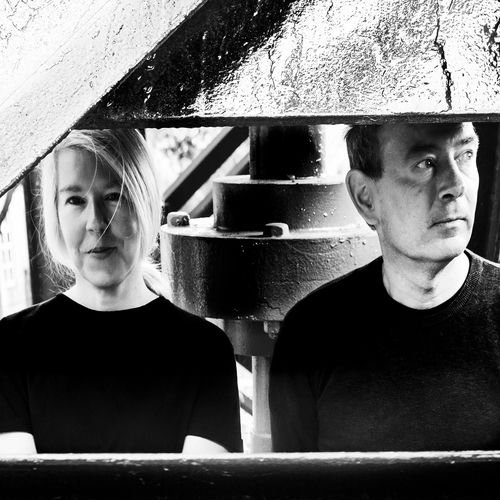
Seefeel: Pioneers of Ambient Techno and Post-Rock
Seefeel is an English electronic group that emerged in the early 1990s, forging a unique and influential sound from the collision of ambient textures, dub basslines, and shoegaze guitar. Hailing from London, the band achieved critical acclaim and a cult following with their debut album "Quique," a record that became a landmark release for the experimental label Too Pure and later saw a celebrated reissue.
Early career
Seefeel formed in 1992, originally consisting of Mark Clifford, Sarah Peacock, Daren Seymour, and Justin Fletcher. The band quickly distinguished itself by processing Peacock's ethereal vocals and Clifford's guitar through samplers and effects, treating traditional rock instruments as sources for electronic soundscapes. Their first releases, the "More Like Space" EP and the "Plainsong" single, arrived on the indie label Too Pure in 1993, immediately signaling a radical departure from the prevailing Britpop and alternative rock of the era.
Breakthrough
The band's breakthrough arrived later in 1993 with the release of their debut album, "Quique." The album was a definitive statement, blending hypnotic rhythms with shimmering, amorphous melodies. While it did not achieve mainstream chart success, "Quique" earned massive critical praise and solidified Seefeel's reputation as innovators, leading to a signing with the renowned electronic label Warp Records in 1994.
Key tracks
Polyfusion — This early track encapsulates their initial sound, layering driving rhythms with heavily processed guitar squalls.
Plainsong — The title track from their first single established their signature atmospheric dub and ambient techno blueprint.
Time To Find Me — A standout from "Quique," it perfectly balances melodic warmth with a cold, mechanistic pulse.
Spangle — This later single for Warp Records showcased a more minimal, rhythm-focused approach.
Faults — A track that highlights their mastery of tension, using repetitive bass and unsettling sonic details.
Their move to Warp Records resulted in the "Starethrough" EP and the 1995 album "Succour," which presented a darker, more abrasive and abstract direction. After a period of hiatus and side projects, Seefeel reformed in the late 2000s with a slightly altered lineup. They returned to recording with the 2010 EP "Faults" and the 2011 album "Seefeel," released again on Warp, demonstrating their enduring relevance in the experimental electronic field.
For fans of Seefeel's immersive and textural approach, several other UK artists explore similar terrain. Autechre shares the affinity for complex, evolving electronic structures. Aphex Twin parallels their innovation in blending ambient atmospheres with rhythmic experimentation. My Bloody Valentine is a clear influence in the use of guitar noise and submerged vocals. Boards of Canada crafts similarly nostalgic and hazy electronic soundscapes.
Seefeel's pioneering ambient techno and post-rock fusion maintains a steady presence on radio stations dedicated to electronic music history and alternative sounds. Their work is frequently featured on independent music radio stations and specialist online radio streams that focus on avant-garde and genre-defying artists, ensuring their influential catalog reaches new listeners.
You can hear the groundbreaking music of Seefeel on the radio stations featured here on onairium.com. Tune in to discover their essential albums and experience the band's unique fusion of ambient, techno, and post-rock that continues to inspire.