Septeto Nacional Ignacio Piñeiro
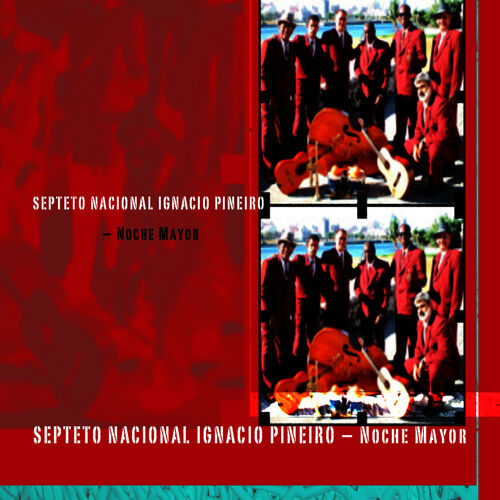
Septeto Nacional Ignacio Piñeiro: The Pioneers of Cuban Son
Septeto Nacional Ignacio Piñeiro is a foundational Cuban ensemble that has shaped the sound of son for nearly a century. Formed in Havana in 1927, the group is celebrated for transforming the traditional sextet format and popularizing Cuban music on a global scale.
Early career
The group was founded in 1927 by bassist, composer, and poet Ignacio Piñeiro. Originally named the Sexteto Nacional, Piñeiro added a trumpet player, creating the revolutionary septeto format that defined a new era for son cubano.
Their early recordings for RCA Victor and Columbia Records in the late 1920s and 1930s were instrumental in spreading son's popularity. Piñeiro's prolific songwriting provided the group with an extensive and enduring repertoire from the very beginning.
Breakthrough
The group's international breakthrough is often tied to their early recordings, which circulated widely. However, a major resurgence came after the Cuban Revolution when the group was re-established in 1968, leading to a new wave of recordings and global tours that cemented their legendary status.
They recorded extensively for the Cuban state label Egrem, releasing pivotal albums like Poema del Son. Their performances at international festivals introduced son to new generations of listeners worldwide.
Key tracks
Échale Salsita — This Piñeiro composition is a son standard, famously referenced by George Gershwin and a cornerstone of the group's early catalog.
Suavecito — A classic example of the group's smooth, melodic style, showcasing their impeccable vocal harmonies and rhythmic precision.
Esas No Son Cubanas — A lively, defining track that highlights the septeto's signature trumpet lead and driving rhythm section.
Donde Estabas Tú — This song demonstrates the poetic lyricism of Piñeiro and the ensemble's ability to blend romance with infectious son rhythms.
The group has maintained an active recording and touring schedule for decades, preserving the traditional son format while serving as living musical historians. They have collaborated with artists across genres, including appearances on albums by the Spanish singer Martirio and performances with jazz musicians, always representing the roots of Cuban music.
While specific modern chart positions are not typical for a traditional ensemble, their influence is measured in longevity and reverence. The Septeto Nacional has received numerous accolades in Cuba and internationally, including Latin Grammy nominations, recognizing their role as cultural ambassadors.
For listeners exploring the roots of salsa and Afro-Cuban music, several key artists share this foundational spirit. Arsenio Rodriguez was a legendary tres player who further developed the conjunto sound. Buena Vista Social Club brought a renewed global spotlight to classic Cuban son in the 1990s. Orquesta Aragon is another long-standing Cuban institution famous for its charanga style. Compay Segundo was a master composer and vocalist whose work epitomizes the son tradition.
The music of Septeto Nacional Ignacio Piñeiro holds a permanent place in the rotation of dedicated Latin music radio stations. Their timeless recordings are featured on stations specializing in tropical music, classic salsa formats, and global beats programming, ensuring their pioneering sound continues to reach enthusiasts daily.
You can experience the essential sound of Cuban son by listening to Septeto Nacional Ignacio Piñeiro on radio stations featured here. Explore the stations available on onairium.com to discover their historic recordings and understand why this group remains a pillar of Latin music history.