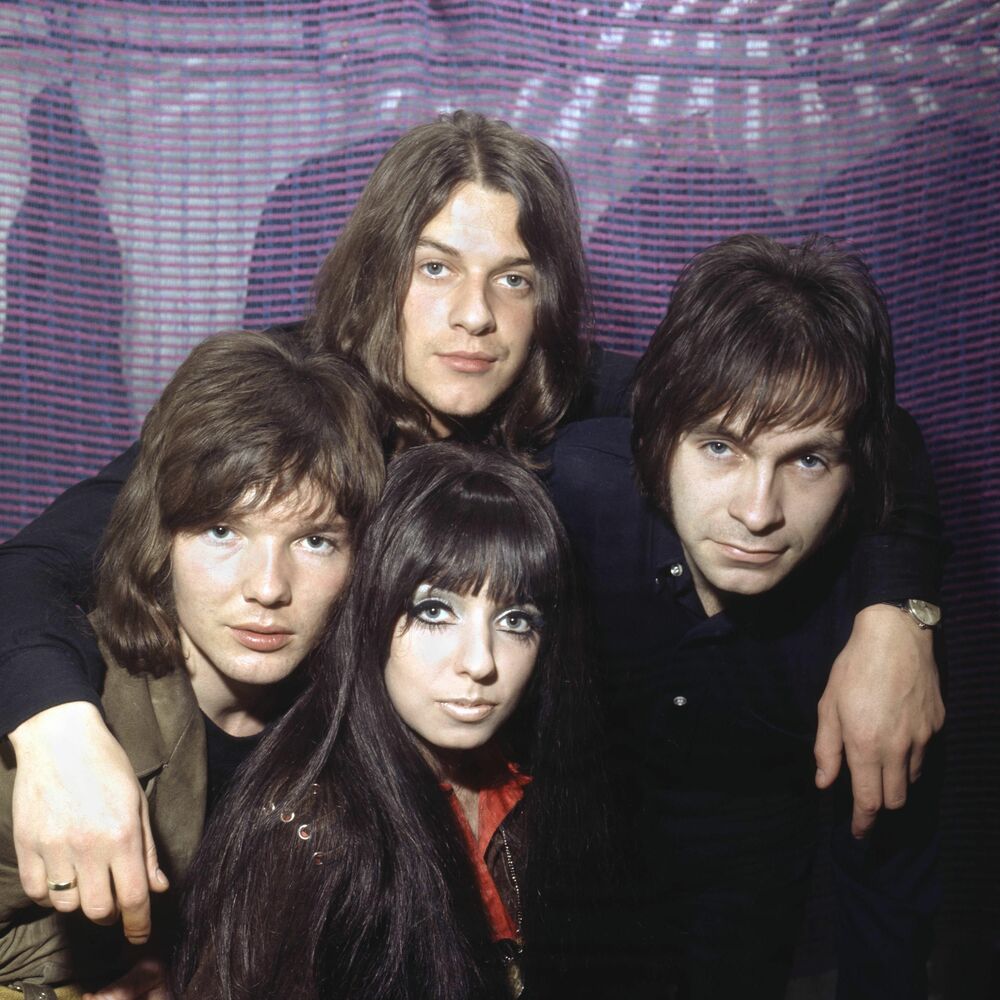
Shocking Blue
 Netherlands
Listen Shocking Blue on radio stations:




Shocking Blue: The Pioneers of Nederbeat and Psychedelic Rock
Shocking Blue was a Dutch rock band that became one of the most successful international acts to emerge from the Netherlands in the late 1960s and early 1970s. The group is best known for their 1969 global hit "Venus," which topped the charts in multiple countries including the United States.
Early career
Formed in The Hague in 1967, Shocking Blue was founded by guitarist Robbie van Leeuwen. The original lineup featured Fred de Wilde on vocals, Klaasje van der Wal on bass, and Cor van der Beek on drums, establishing a foundation in the burgeoning Nederbeat scene-a Dutch response to the British Invasion and garage rock.
Breakthrough
The band's major breakthrough came in 1969 with the release of the single "Venus." The song, featuring new vocalist Mariska Veres's distinctive voice, became a worldwide phenomenon in 1970, reaching number one on the U.S. Billboard Hot 100 chart. This success was fueled by the band's blend of psychedelic rock, garage pop, and folk influences, leading to significant international album sales and tours.
Key tracks
Venus - This 1969 single is their signature song, famous for its driving riff and Mariska Veres's vocal performance, which propelled it to international number-one status.
Long and Lonesome Road - A track from their 1969 debut album "Shocking Blue," it showcases their raw, garage-oriented rock sound that defined their early work.
Never Marry a Railroad Man - This 1970 single followed "Venus" and demonstrated the band's continued ability to craft catchy, folk-tinged psychedelic pop songs.
Hello Darkness - A later single highlighting their evolving sound and the enduring appeal of their melodic, guitar-driven compositions.
Inkpot - An example of their psychedelic rock explorations, featuring the intricate guitar work and atmospheric production characteristic of their albums.
Following the massive success of "Venus," Shocking Blue released a series of albums and singles throughout the early 1970s, including "At Home" and "Third Album." The band experienced several lineup changes, with Mariska Veres becoming the iconic face of the group. While they never replicated the singular chart dominance of "Venus," they maintained a strong following in Europe and Japan with their consistent output of psychedelic and garage-infused rock music before disbanding in 1974.
Shocking Blue's music shares the energetic, melodic drive of other Nederbeat acts like Golden Earring. Their blend of psychedelic rock and pop hooks finds a parallel in the work of The Motors. For listeners who appreciate the garage rock foundation of their sound, The Kinks offer a similar raw energy. The folk-psychedelia fusion in some of their material echoes the style of Moby Grape.
The band's classic hits remain staples on classic rock and oldies radio formats, frequently featured in retrospectives of 1960s and 70s rock music. Their influence is acknowledged in various rock and alternative circles that draw from garage and psychedelic traditions.
The music of Shocking Blue, from the global smash "Venus" to their deeper album cuts, continues to be celebrated and can be explored through dedicated radio programming.