Sister Rosetta Tharpe
Type: Person
 Mauritius
Mauritius
Listen on radio stations:
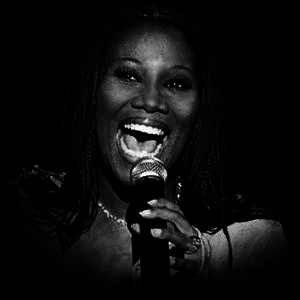
Sister Rosetta Tharpe: The Godmother of Rock and Roll
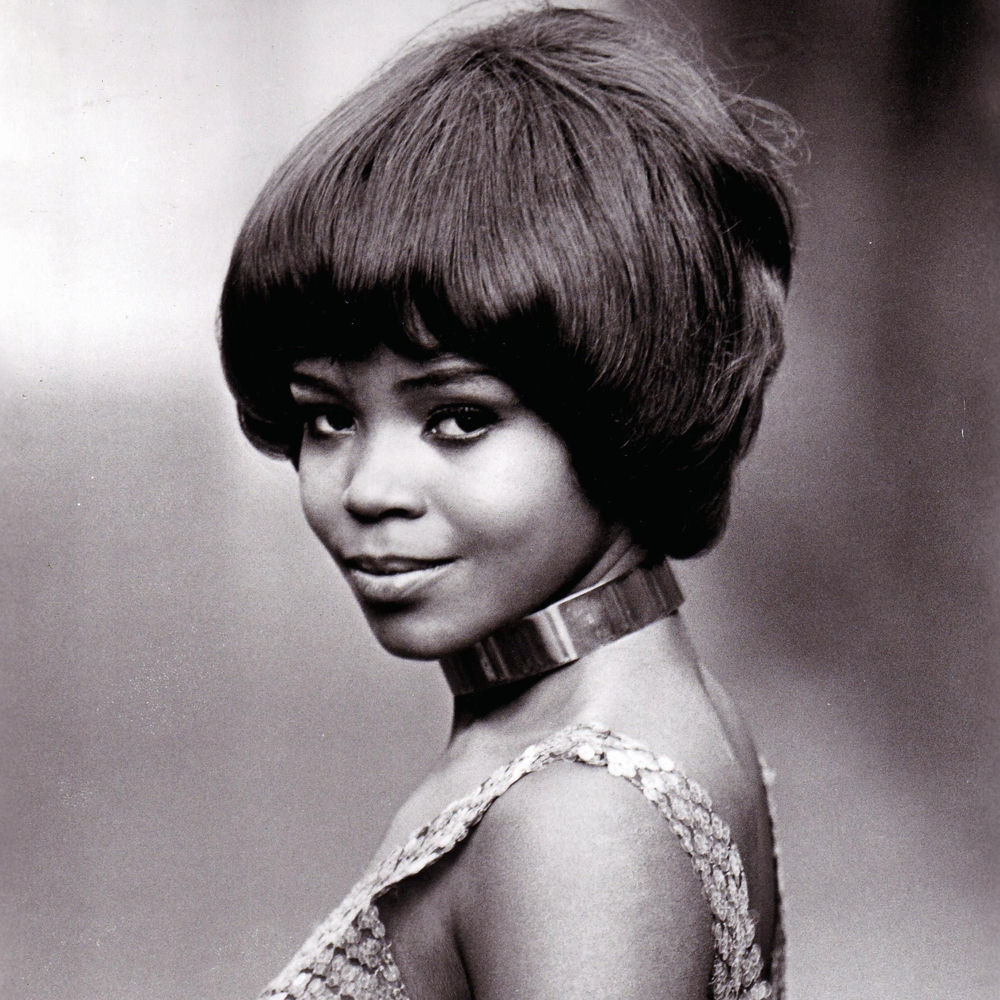
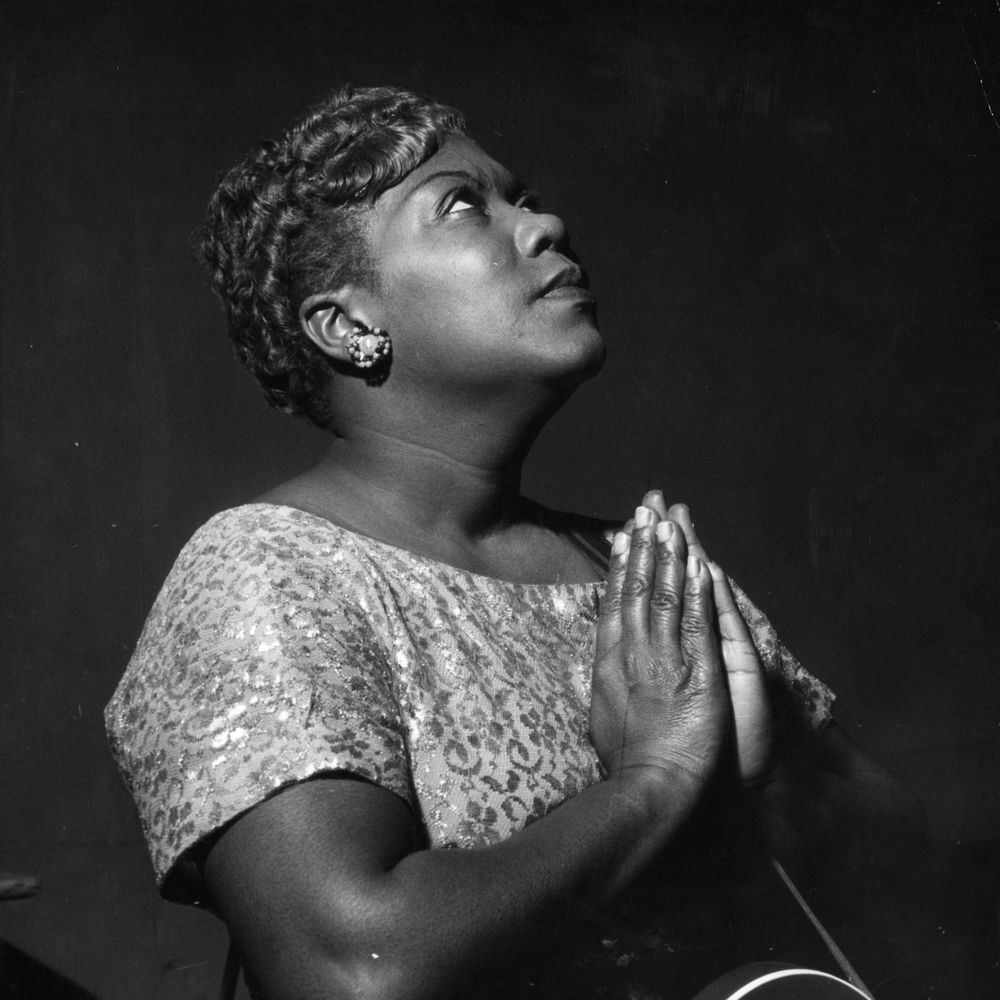
Sister Rosetta Tharpe was an American singer, songwriter, and guitarist whose pioneering fusion of gospel, blues, and early rock and roll fundamentally shaped popular music. Hailing from Cotton Plant, Arkansas, her dynamic performances and electric guitar mastery in the 1930s and 1940s laid the groundwork for the rock genre that would explode a decade later.
Early Career
Born Rosetta Nubin in 1915, she began performing as a child prodigy, touring the American South with her evangelist mother. By the mid-1930s, she had moved to New York City and began recording for Decca Records in 1938, bringing her spirited gospel music to secular audiences with immediate success.
Breakthrough
Her 1938 recording session for Decca yielded her first major hits, including "Rock Me" and "This Train." Tharpe's breakthrough was defined by her ability to attract massive crowds, both in churches and secular venues like the Cotton Club, with her powerful voice and virtuosic, distorted electric guitar playing that was unprecedented for a woman in that era.
Key Tracks
Rock Me - This 1938 hit showcased her signature blend of sacred lyrics with a driving, blues-infused rhythm that hinted at the rock and roll sound to come.
This Train - Another early Decca recording, this song became a gospel standard and demonstrated her ability to merge traditional spiritual themes with a contemporary, upbeat arrangement.
Strange Things Happening Every Day - Recorded in 1944, this up-tempo gospel track with its prominent guitar and boogie-woogie piano is frequently cited as a contender for one of the first rock and roll records.
Up Above My Head - A later recording that highlights her enduring vocal power and joyful delivery, further cementing her status within the gospel and blues canon.
Throughout the 1940s and 1950s, Tharpe continued to record and tour extensively, influencing a generation of musicians. Her 1947 wedding, which was a massive musical event at Griffith Stadium, was broadcast nationally. While her popularity in the U.S. fluctuated, she found enthusiastic audiences in Europe during the 1960s blues revival, performing her fiery gospel blues on British television.
Artists with a similar foundational influence on rock and blues include Big Bill Broonzy, a pivotal figure in transitioning country blues to urban styles. Mahalia Jackson, the queen of gospel, shared Tharpe's spiritual fervor but remained firmly within the traditional gospel genre. The rock and roll energy she helped inspire is evident in the work of Chuck Berry, who expanded on her fusion of guitar showmanship and rhythmic drive.