
Skream: The Dubstep Pioneer Turned Dancefloor Explorer
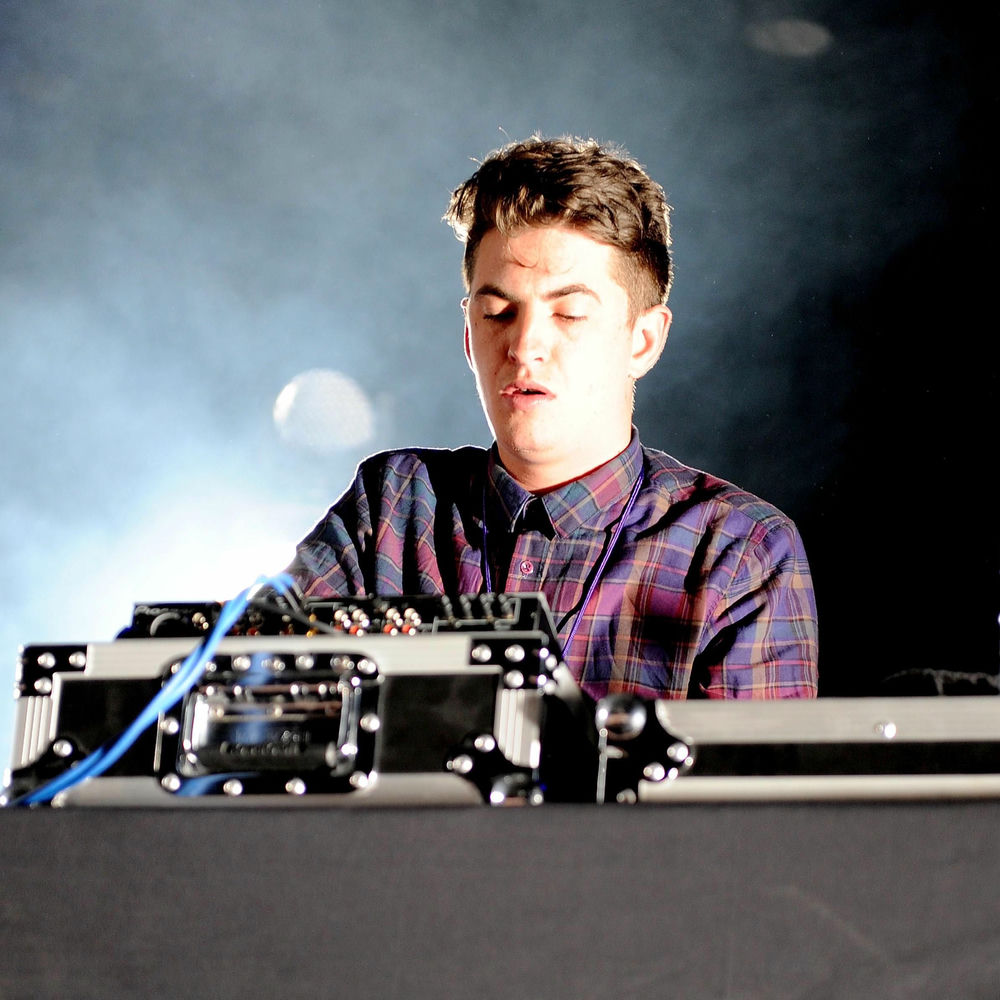
Skream is the stage name of Oliver Dene Jones, a British electronic music producer and DJ from Croydon, South London. He is widely recognized as a foundational architect of the dubstep genre, whose later artistic evolution saw him successfully conquer house and techno arenas worldwide.
Early career
Born in 1986, Oliver Jones began experimenting with music software as a teenager while working at the legendary Big Apple Records in Croydon. His early, heavily bass-weighted productions caught the ear of the label's owners, leading to his first release on the Big Apple imprint in 2003.
These formative tracks, like the seminal "Midnight Request Line," helped define the sparse, sub-bass driven sound of early UK dubstep. Alongside peers like Benga and Artwork, Skream became a central figure in the genre's close-knit scene.
Breakthrough
Skream's self-titled debut album in 2006 on Tempa Records served as dubstep's first major full-length statement, bringing the sound to a much broader audience. The genre's explosive growth was further amplified by his 2010 collaboration with La Roux, "In for the Kill (Skream's Let's Get Ravey Remix)," which became a chart and club smash.
This remix crossed over into the UK Singles Chart Top 10, achieving a Silver certification and introducing dubstep's energy to mainstream pop listeners. It cemented Skream's status as a go-to producer capable of bridging underground and commercial worlds.
Key tracks
Midnight Request Line — This 2005 single is often cited as the track that defined the early dubstep blueprint with its wobbling bassline and cinematic tension.
In for the Kill (Skream's Let's Get Ravey Remix) — His game-changing 2009 remix propelled La Roux's original into the UK Top 10 and brought dubstep to mainstream radio.
Anticipate — Featuring singer Sam Frank, this 2010 track from his second album showcased a more melodic, soulful side of his production style.
Rollercoaster — A 2011 collaboration with Example that charted in the UK, demonstrating his adaptability within commercial electronic music.
Genre Evolution and Skreamizm
By the early 2010s, Skream began to publicly distance himself from the dubstep tag, feeling the genre had strayed from its roots. He launched his acclaimed "Skreamizm" club nights and radio shows, pivoting his DJ sets and productions toward house, disco, and techno.
This shift was solidified with releases on labels like Defected and his own "Skreamizm" imprint, proving his deep knowledge of dance music history beyond bass. He continues to be a prolific DJ and producer, respected for his technical skill and vast genre-spanning selections behind the decks.
Fans of Skream's bass-heavy origins should also explore the work of Benga, his early collaborator and fellow dubstep innovator from Croydon. For the darker, more minimalist side of the genre, listen to Digital Mystikz, the duo behind the influential DMZ label and club night. The eclectic, genre-blending approach of Joy Orbison shares Skream's restless musical spirit. His later house and techno explorations align with the versatile output of Artwork, his former Magnetic Man bandmate.
Skream's diverse catalog ensures his music is in heavy rotation across our network of electronic music stations. From dedicated dubstep and bass music streams to flagship house and techno channels, his tracks are a staple for DJs seeking foundational grooves and modern anthems.
You can hear the full spectrum of Skream's influential career, from groundbreaking dubstep to peak-time house, on the curated radio stations available on onairium.com. Tune in to discover why this UK artist remains a constant and evolving force in electronic music.